1950
Heritage Engineering Since
3,000+
Finished Units / Day
1,000+
Prototypes Developed / Year
90+
Global Export Markets
Precision Sourcing: Cat Eye Optical Frames & Sunwear Engineering
Evaluating original design manufacturers (ODM) and original equipment manufacturers (OEM) on structural tolerances, raw material stabilization, multi-axis milling, and compliance architecture.
Cat eye eyewear silhouettes remain an undisputed commercial cornerstone across prescription optical frame portfolios and luxury sunwear programs. Characterized by acute temple uplift angles, variable brow-line thicknesses, and complex ergonomic balance, the manufacturing of cat eye silhouettes represents one of the most stringent tests of an optical factory’s toolpath design and material curing integrity. Whether executing ultra-sharp vintage silhouettes reminiscent of mid-century aesthetics or deploying modernized geometric, rimless, and smart-injection hybrid variants, procurement executives require contract manufacturing partners that consistently bridge the gap between creative visual weight and millimeter-perfect optical lab glazing tolerances.
For independent brands, global chain retailers, and B2B distributors, determining the top ten manufacturing ecosystems requires an objective technical assessment that looks past surface aesthetics. Industrial buyers must evaluate polymer curing methodologies (such as extended tumbling cycles for cellulose acetate), high-precision multi-axis CNC routing systems, hypoallergenic electroplating lines, barrel-hinge integration resilience, and cleanroom optical lens assembly protocols. Below is a curated catalog of high-performance frames and manufacturing applications reflecting state-of-the-art eyewear craftsmanship.
Engineered Optical Frames & Sunglasses Solutions
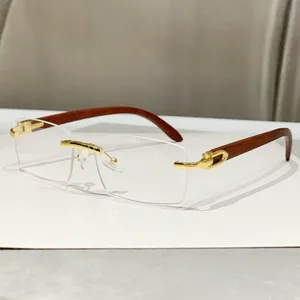
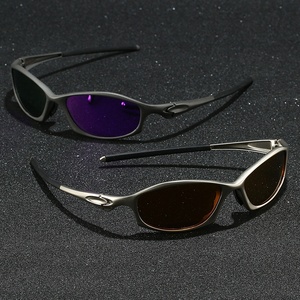
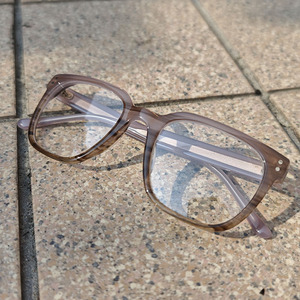
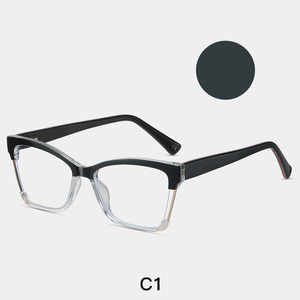
Commercial-grade product executions utilizing Mazzucchelli-grade cellulose acetate, Swiss-formulated TR90, structural wood veneers, and precision metal alloys.
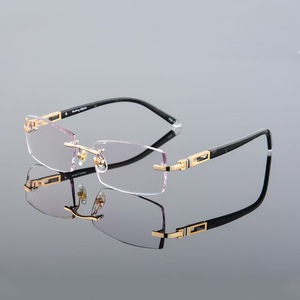
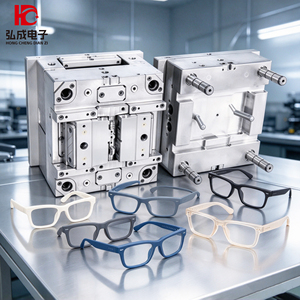
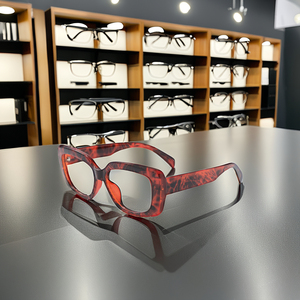
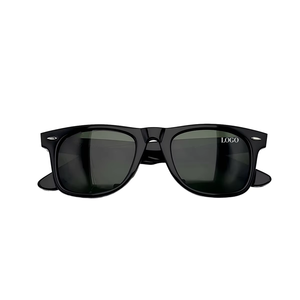
Criteria for Benchmarking the Top 10 Eyewear Manufacturers
Systematic evaluation metrics established by senior optical procurement directors for factory audits and QA verification.
A rigorous industrial review of eyewear manufacturing reveals distinct specialization profiles across production hubs in Italy (notably the historic Belluno/Cadore optical cluster), Japan (Sabae, Fukui Prefecture), and premier precision zones in South China (Shenzhen and Wenzhou). When assessing the top 10 cat eye frame manufacturers globally, supply chain officers rank factories based on five critical manufacturing vectors:
| Evaluation Parameter | Tier-1 Factory Standard | Standard Commercial Run | Impact on Cat Eye Geometry |
|---|---|---|---|
| Acetate Stabilization | Controlled kiln baking (40–60 days) | Raw sheet cutting without aging | Prevents temple shrinkage & bridge twist over 24 months |
| Bevel Milling Tolerances | ±0.03 mm 5-axis CNC pathway | Manual tracing / 3-axis basic mill | Guarantees automated lens glazing fit for high-index prescription labs |
| Polishing Regimen | 72-hour automated beechwood tumble + hand buff | Flash chemical dipping | Maintains razor-sharp aesthetic bevel lines without softening cat-eye apexes |
| Hinge Tensile Strength | Custom 5/7-barrel pinned & soldered assemblies | Friction heat-inserted base hinges | Maintains pantoscopic tilt angle integrity under high daily load cycles |
| Regulatory Traceability | ISO 12870, CE MDR, FDA Class 1 Registration | Self-declared unverified test sheets | Ensures full compliance across customs clearances worldwide |
Manufacturing Technology & Structural Architecture
How leading factories configure their machining pipelines across high-density polymers, metals, and smart injection shells.
Multi-Axis Acetate Subtraction
Cat eye frames demand intricate multi-dimensional contours along the brow line. Advanced factories utilize 5-axis CNC routers that sculpt steep bevels and undercut steps from solid cellulose blocks, maintaining crisp transitions while ensuring the eyewire groove retains optimal lens retention force.
Monoblock & Spring Hinge Geometry
High-end cat eye executions feature integrated metal-to-acetate cores where temples taper down to ergonomic ear rests. By employing custom-soldered monoblock hinge components, top factories eliminate the hinge-loosening issues that historically plague upward-swept frames.
Smart Ergonomic Micro-Molding
The convergence of audio smart glasses and augmented reality hardware into daily eyewear styles has pushed cat eye manufacturing into high-precision micro-cavity injection tooling, enabling the integration of internal circuit channels without distorting outer dimensions.
Key Technical Insight for Glazing Compatibility
A classic technical challenge in cat eye optical production is lens pop-out or edge displacement caused by torsional pressure across the frame's nasal bridge. Tier-1 manufacturers run finite element analysis (FEA) simulations to optimize bridge ribbing thicknesses, guaranteeing that when opticians insert high-negative prescription lenses, the eyewire maintains structural integrity without splaying open.
Product Evolution & Future Procurement Trends
Forecasting the material innovations, sustainability mandates, and demographic shifts steering B2B eyewear manufacturing.
As the international eyewear sector transitions into 2026 and beyond, cat eye silhouettes are evolving along three distinct technological trajectories:
1. Bio-Based Cellulose and Closed-Loop Monomers: European Union CSRD directives and strict corporate ESG targets are driving procurement managers toward ISCC-certified bio-acetate, which replaces petroleum-based phthalate plasticizers with natural alternatives. Top-tier manufacturers have reconfigured their tumbling and curing rooms to handle these bio-polymers without compromising surface hardness, color saturation, or long-term frame stability.
2. Hybrid Structural Materials: The market is shifting away from purely monolithic designs toward featherweight hybrid frames. Factories that combine thin-gauge surgical stainless steel with high-grade acetate rims and precision-carved natural wood temples achieve an optimal balance between structural rigidity, low bridge load (under 18 grams complete), and luxurious tactile appeal.
3. Low-Volume Agile Manufacturing: Digital supply chains demand faster design iterations. Leading contract manufacturing facilities now integrate industrial rapid-prototyping SLS/SLA stations alongside full production lines, cutting sampling lead times from the traditional 8–10 weeks down to under 14 days, with pre-series verification runs available before large-scale tooling.
Factory Strengths: Full Vertical Integration
Combining generational Italian manufacturing discipline with high-throughput industrial capability.
Rooted in our Cadore heritage since 1950, our manufacturing facility operates under an uncompromising principle of complete internal vertical integration. Rather than farming out processes to disparate subcontractors, our centralized manufacturing footprint ensures complete process accountability across all optical frames and sunglass programs:
75+ Years of Dedicated Expertise
Spanning three generations of eyewear toolmakers and artisans, our manufacturing know-how turns complex technical sketches into commercial, repeatable collections with an everyday run capacity exceeding 3,000 units.
Guaranteed Intellectual Discretion
Confidentiality is our primary protocol. Tooling blueprints, custom-mixed color block designs, CAD files, and client-facing branding remain secured under ironclad OEM nondisclosure frameworks across all 90+ export jurisdictions.
Rigorous Compliance & Multi-Tier QC
Every cat eye frame undergoes comprehensive inspection, checking bridge torsional recovery, hinge opening torque, surface gloss, and dimensional conformity before receiving clearance certificates for international customs clearance.
Frequently Asked Questions (B2B Procurement)
Addressing technical, minimum order quantity (MOQ), and tooling questions from eyewear product buyers.
Q1: What is the typical MOQ for custom cat eye frame production?
For custom CNC-milled cellulose acetate frames, typical minimum production runs start at 300 to 500 units per colorway. Injection-molded TR90 or specialized smart frame shells require steel tooling configurations, with initial runs typically scheduled at 1,000 to 2,000 units per mold setup.
Q2: How do you prevent cat eye frame deformation during trans-ocean shipping?
Frame deformation is prevented through proper material curing and packaging design. We dry-bake our acetate components to balance moisture levels before assembly. Finished goods are shipped in calibrated multi-cell trays that prevent pressure on temple bends, ensuring proper bridge geometry upon arrival.
Q3: Can custom eyewear designs integrate anti-blue or prescription sun lenses directly?
Yes. Our integrated facility accommodates both demo plano lenses (cut with anti-reflective coating for optical showroom display) and CR-39/nylon sun lenses with complete UV400, polarizing, and blue-light blocking attributes, calibrated to the required base curves (Base 2 through Base 6).
Q4: What sampling lead times should product teams factor into planning?
Rapid CNC prototype samples from existing acetate slab stocks are typically turned around in 10 to 15 business days. Completely custom color laminations or bespoke molded tooling setups require an average of 30 to 45 calendar days for pre-production verification samples.
Q5: Are declarations of conformity provided for FDA, CE, and UKCA jurisdictions?
Every production lot leaving our facility includes complete compliance documentation, covering EN ISO 12870 laboratory assessments for optical frames, ANSI Z80.3 impact resilience standards, nickel-release certifications for metal components, and CE MDR Class I optical alignment declarations.
Q6: How is brand customization executed across the temple and hinge components?
We provide comprehensive branding techniques including laser-engraving with enamel color fills, cast metal end-piece insignias, inner temple hot-foil stamping, wire-core embossed logos, and customized diamond-cut lens corner accents tailored to your brand identity.