1. The Shift to Traceable, Decarbonized Supply Chains
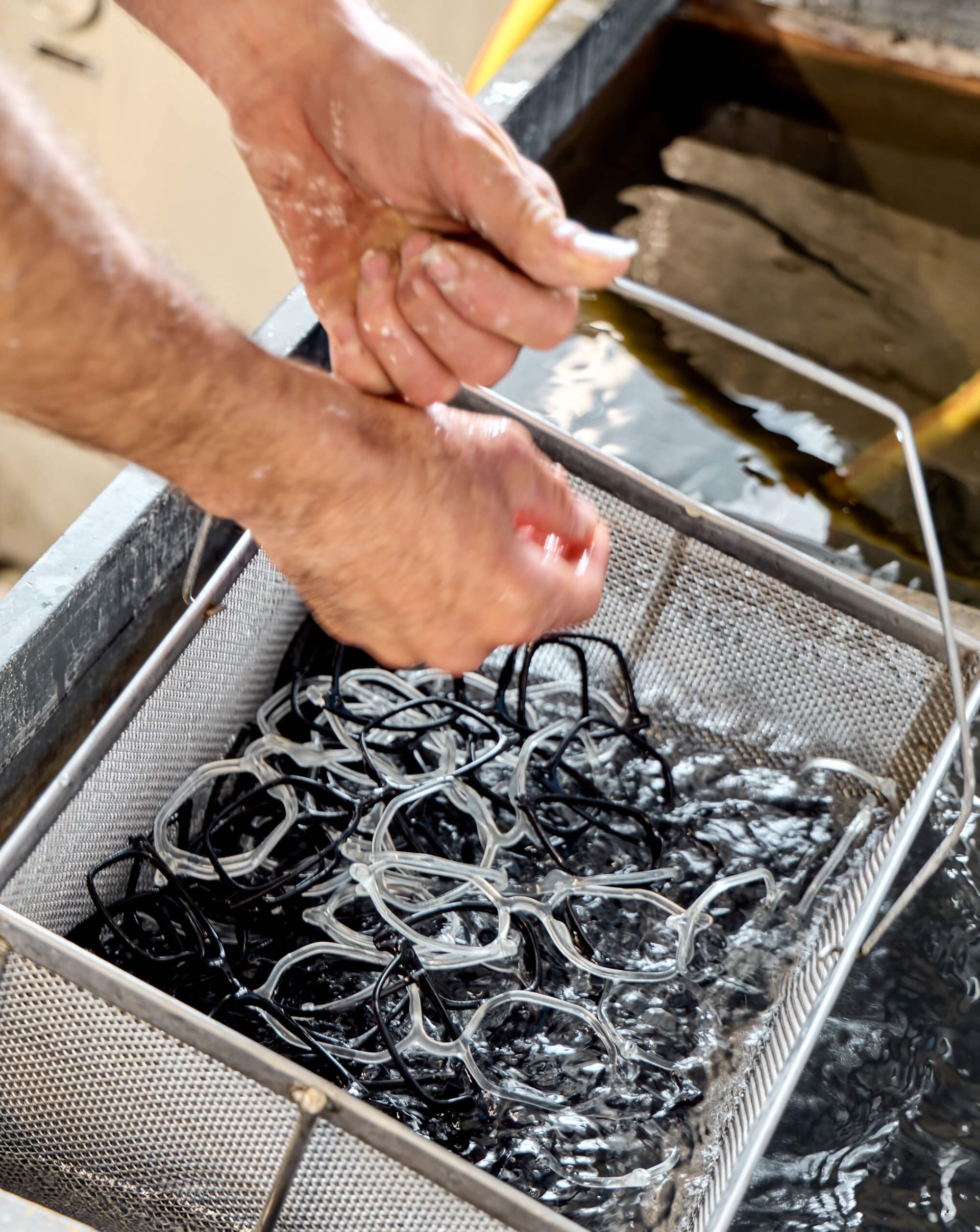
Regulatory frameworks like the EU Corporate Sustainability Due Diligence Directive (CSDDD) and green public procurement initiatives are reshaping supplier qualification. Buyers are abandoning unverified supplier declarations in favor of traceable life cycle assessments (LCAs). Sourcing bio-based acetates derived from ISCC-certified biomass, solvent-free ultrasonic cleaning lines, and closed-loop water filtration systems within our Cadore factory guarantees verified carbon tracking.
2. Supply Chain Nearshoring and Reshoring to European Centers
Over-reliance on complex trans-Pacific shipping routes has proven vulnerable to geopolitical disruptions, tariff volatility, and prolonged transit delays. Sourcing eyewear contract manufacturing directly in Northern Italy offers European and North American brands shorter transit cycles, duty advantages within trade blocs, and reliable quality guarantees that safeguard brand equity.
3. Smart Eyewear & Micro-Electronics Accommodation
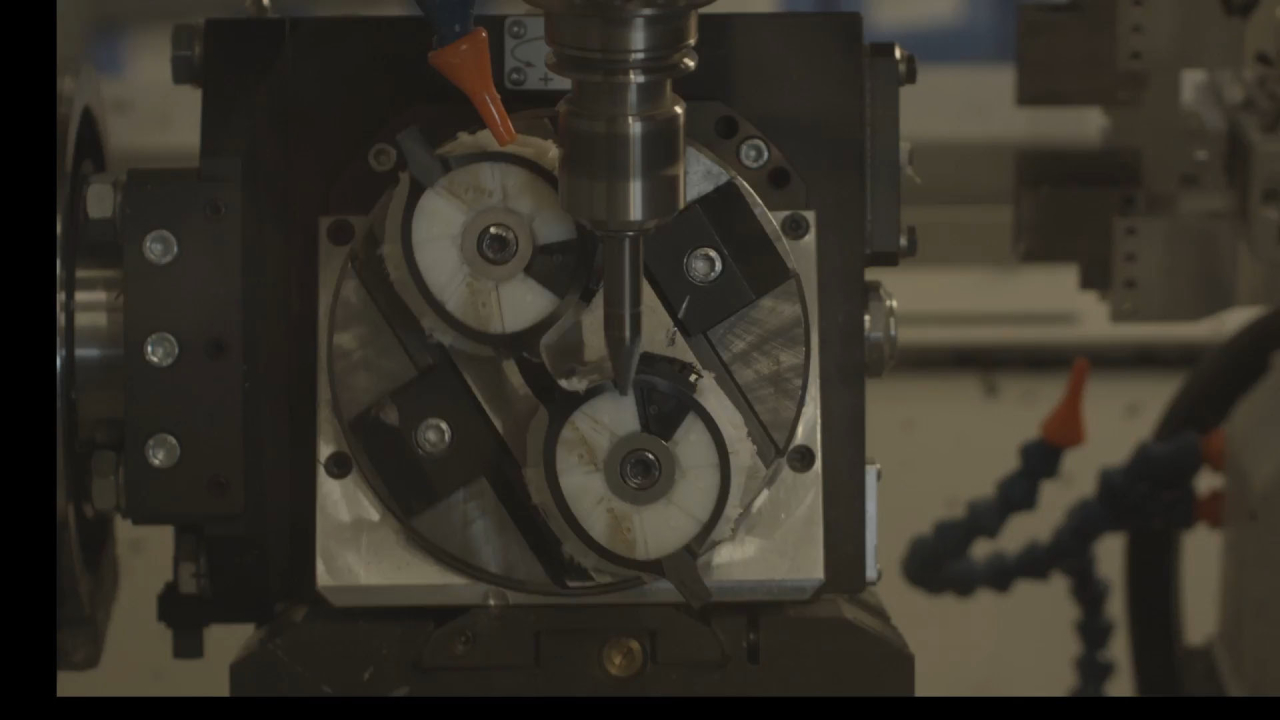
Contract manufacturing is expanding into hybrid opto-electronic enclosures. B2B buyers are designing frames to house miniature prescription displays, Bluetooth audio nodes, and biometric sensors. This shift requires factories capable of micron-level CNC pocket milling, internal wire-channel drilling, and heat-sink isolation without compromising frame aesthetics.
4. Agile MOQs Combined with Automated Industrial Repeatability
Wholesale procurement models are shifting from bulk speculative inventories to responsive pull-based replenishments. Forward-thinking eyewear contract manufacturers must handle smaller, iterative color drops (300 to 500 units per colorway) backed by automated digital pantographs and rapid tooling, helping brands maintain healthy stock-to-sales ratios.