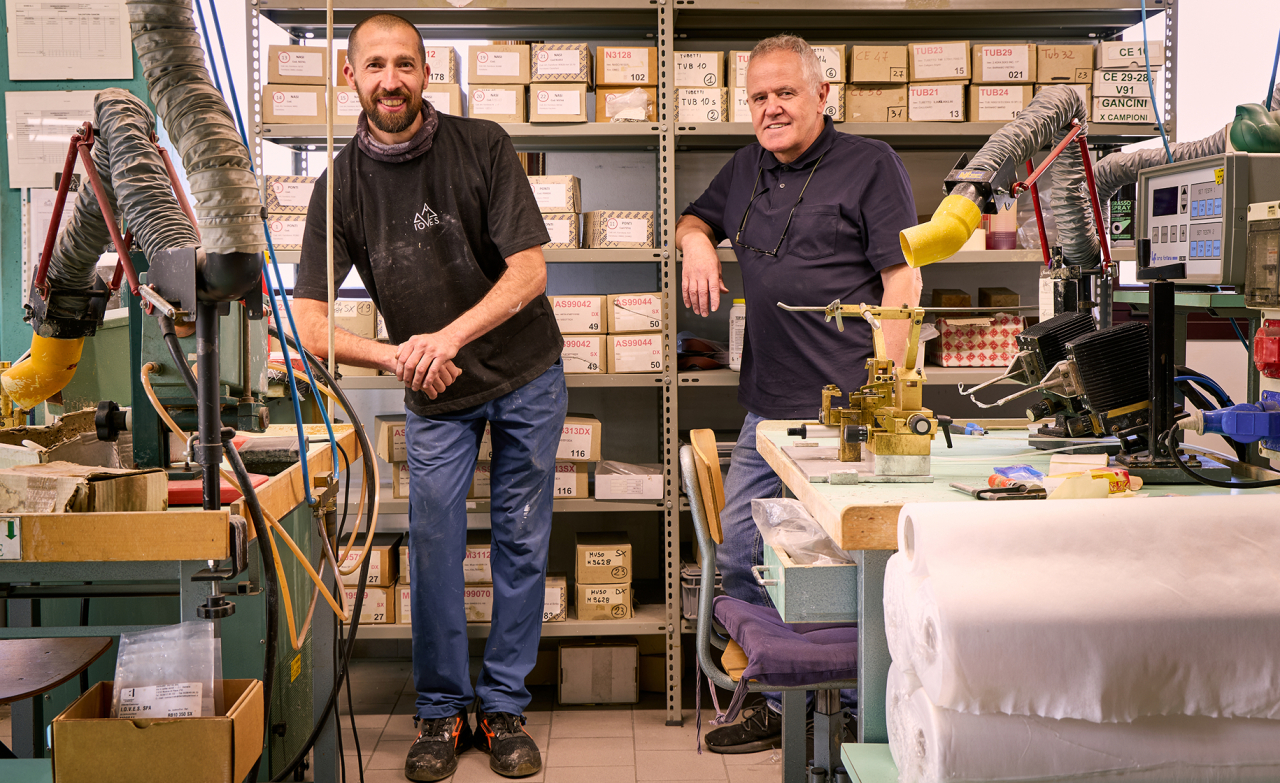
Precision assembly and inspection of lightweight everyday eyeglass frames at IOVES Cadore plant
Italian heritage in optical engineering and ultra-lightweight frame development since 1950
Master artisan hand-finishing ergonomic lightweight temple arms and hinges
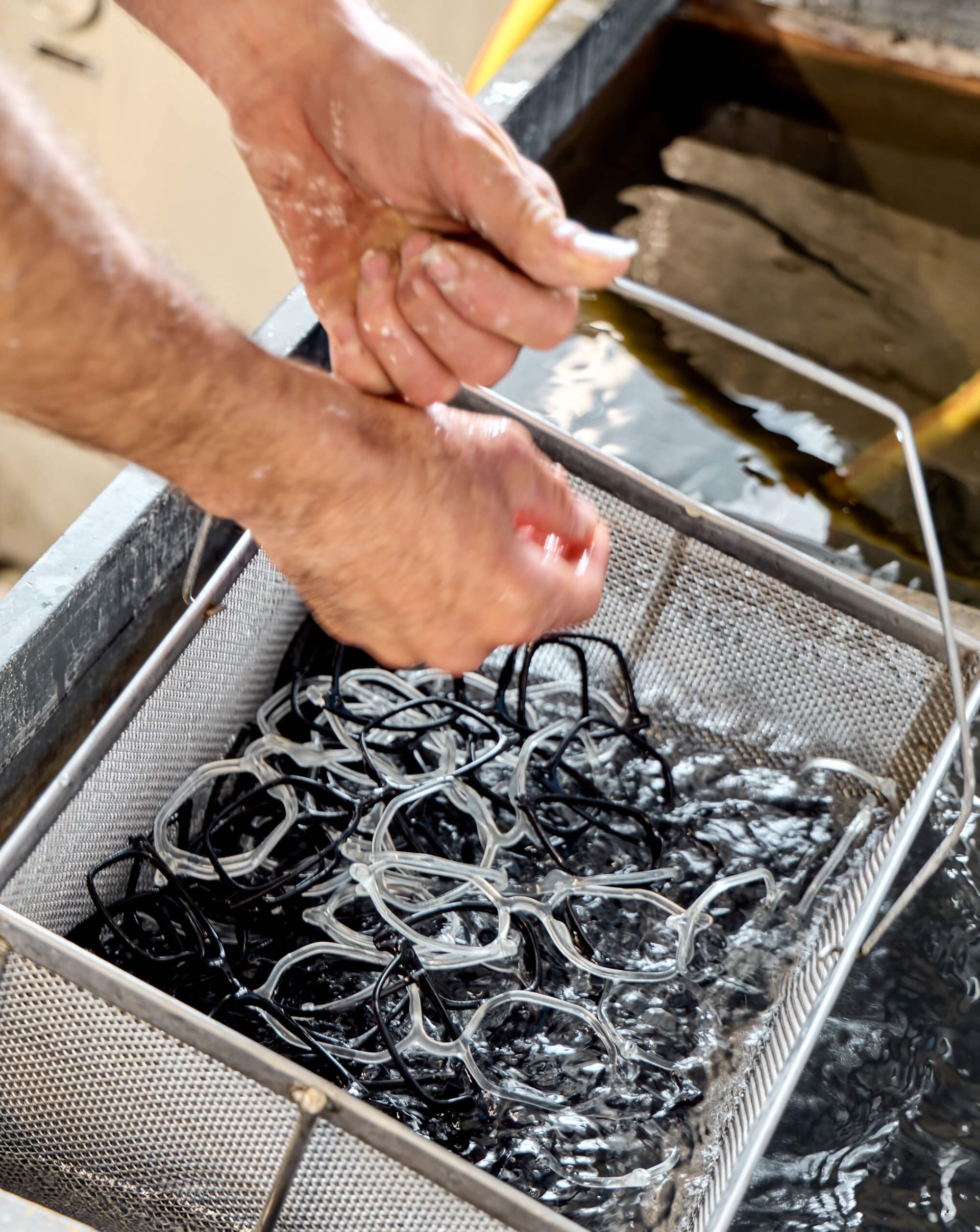
Close-up detail of injection-molded lightweight polymer everyday eyeglasses
Global Optical Procurement Analysis Lozzo di Cadore, Belluno — Italy Engineering Heritage Since 1950

What Makes Lightweight Everyday Eyeglass Frames Truly Durable, Ergonomic, and Commercially Scalable for Global Optical Brands? A Definitive Technical Procurement Guide.

Deconstructing The Everyday Optical Standard

For optical chain store buyers, multinational eyewear distributors, and independent boutique founders, sourcing lightweight everyday eyeglass frames involves reconciling high mechanical resilience with minimal cranial burden. An everyday frame is worn 14 to 18 hours daily, requiring precise weight displacement, skin-neutral contact points, and unwavering dimensional stability.

With digital eye strain escalating global prescription requirements, end consumers demand frames under 18 grams that withstand constant flexing, sweat exposure, temperature shocks, and frequent ultrasonic cleanings. Meeting this demand requires more than merely thinning down materials; it necessitates rigorous metallurgical formulation, advanced polymer injection chemistry, and meticulous Italian assembly tolerances. At IOVES, our factory in Lozzo di Cadore integrates over 75 years of optical manufacturing mastery, developing daily eyewear that eliminates bridge indentations and temporal fatigue while maintaining commercial margin structures.

Below, our technical directorate details the engineering criteria, material selections, and sourcing benchmarks necessary for high-volume optical programs that deliver near-zero defect rates and enduring patient satisfaction across international markets.
Founded in Cadore
1950
Production Capacity / Day
3,000
Custom Models Developed / Year
1,000+
Export Destinations
90+
Average Daily Frame Weight
<15g
Technical Recommendations

Optimized Architectures for Lightweight Everyday Eyeglass Frames

Modern optical retail programs require structural versatility. We recommend three core architectural archetypes designed to optimize comfort, structural integrity, and manufacturing economy across varied wearer demographics.

West collection by IOVES ultra-light daily injection molded glasses

West Precision Injection

11.8g Avg Weight

Engineered for high-volume retail optical assortments. Fabricated from medical-grade Swiss polyamide (TR90) and bio-based nylon, this series features unified anatomical bridges, flexible 5-barrel hidden pin-drop hinges, and high dimensional retention under varied climatic conditions.

Amarcord ultra-thin high-density Italian acetate optical frames

HD Thin-Milled Acetate

14.6g Avg Weight

Tailored for contemporary fashion-forward collections. By using high-density cellulose acetate (HDCA), we reduce frame rim thicknesses down to 2.8mm without sacrificing lateral rigidity. Hand-polished in Cadore with stainless steel core wires for cold micro-adjustability at the dispensing counter.

Refined metal and beta-titanium minimalist everyday eyeglass frames

Beta-Titanium Hybrid

10.2g Avg Weight

Engineered for professional and executive daily wear. Ultra-slender eye-rim wire paired with elastic Japanese beta-titanium temple blades. Includes self-lubricating micro-screws, hypoallergenic medical silicone nose pads, and zero-corrosion ionic vapor plating.

Material Science Benchmark

Comparative Material Physics in Everyday Eyeglass Frame Construction

Selecting the optimal baseline raw material dictates warranty return rates, optician lab glazing ease, and patient wearability. Below is an engineering evaluation from our Cadore testing facility.

Option A

Engineered Polymers (TR90 / Grilamid)

The operational backbone of daily lightweight optical lines. Low volumetric density paired with notable elastic memory.

  • Specific Gravity: 1.01 - 1.14 g/cm³
  • Tensile Modulus: 1,600 - 2,100 MPa
  • Flexural Fatigue: Exceeds 50,000 deflection cycles
  • Skin Biocompatibility: ISO 10993 certified inert
  • Retail Positioning: Accessible, high turnover lines
Option B

High-Density Cellulose Acetate (HDCA)

Traditional Italian aesthetic depth compressed through cold crystallization to allow ultra-narrow silhouettes without warping.

  • Specific Gravity: 1.28 - 1.30 g/cm³
  • Tensile Strength: 45 - 65 MPa
  • Surface Hardness: Rockwell R 105 - 115
  • Optician Adjustability: Excellent thermal memory at 55°C-65°C
  • Retail Positioning: Premium boutique optical segments
Option C

Beta-Titanium (Ti-15V-3Cr-3Sn-3Al)

The gold standard for near-zero tactile presence. High elastic deflection properties for active, all-day wearing profiles.

  • Specific Gravity: 4.70 g/cm³ (offset by sub-millimeter volume)
  • Yield Strength: > 950 MPa
  • Corrosion Resistance: Immersion-proof against human perspiration
  • Thermal Stability: Stable across -30°C to +70°C
  • Retail Positioning: Luxury medical ophthalmic lines
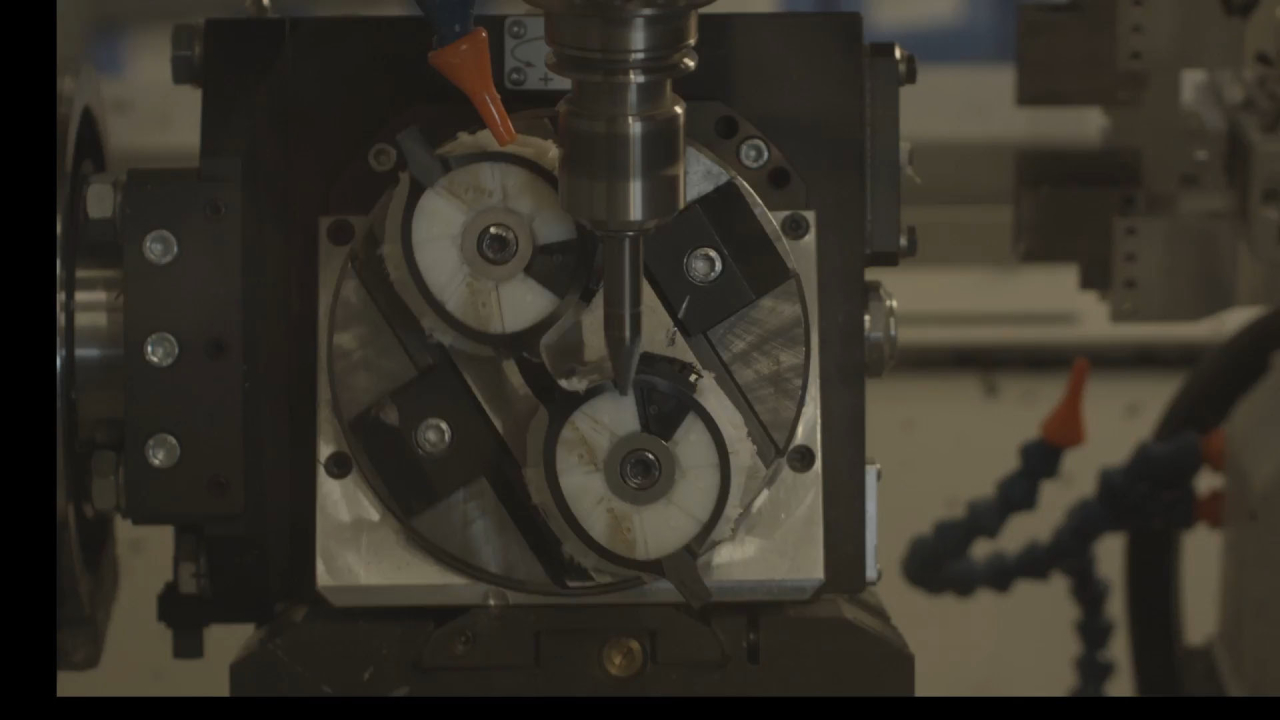
Close-up of optical milling spindle machining lightweight eyewear front
Micron-level CNC Milling — IOVES Plant, Cadore
Skilled eyewear technicians calibrating temple closure tension and hinge alignment
Hand-calibrated balance and multi-axis hinge alignment under unified QC
Strategic Market Forecast

Shifts in consumer ergonomics, regulatory frameworks, and sustainability legislation are reshaping optical supply chains. B2B procurement strategies must adapt to three key macro trends.

01

Bio-Based Circular Polymers Replacing Petrochemical Plastics

Eco-Regulation & Decarbonization

European and North American retail groups are establishing binding carbon targets for optical frames. Sourcing is shifting toward bio-polyamides derived from sustainable castor oil seeds (Rilsan® Clear) and eco-acetates plasticized with triacetin derived from renewable wood pulp. These materials match traditional mechanical strength and clarity while lowering production carbon footprints by up to 50%.

02

Screwless Modular Hinges & Maintenance Elimination

Reducing Optical Return Rates

Hinge screw loss remains the primary cause of after-sales customer returns in optical retail. The market is increasingly adopting screwless friction-lock joints, snap-fit titanium barrels, and continuous spring-ribbon hinges. These configurations distribute opening stress across a broad mechanical arc, providing over 40,000 friction-neutral opening cycles without loose temples or counter adjustments.

03

Digital Ergonomics & Progressive Lens Geometry

Demographic Shift Toward Freeform Optics

With the global rise in early presbyopia and increased screen exposure, everyday optical frames require minimum B-measurement depths (33mm+) within narrow, lightweight rims. Frame bridges must balance progressive power corridors to eliminate peripheral visual distortion. Sourcing teams prioritize designs that maintain rigid optical centers even with higher minus and plus prescription lens blanks.

04

Nearshore Cadore Manufacturing vs. Fragile Supply Chains

De-Risking Inventory Timelines

Geopolitical disruptions and volatile maritime shipping have highlighted the fragility of long, extended supply lines. Western distributors are increasingly consolidating procurement with vertically integrated European manufacturers. Italian manufacturing offers tighter turnarounds, compliant Medical Device Regulation (MDR) documentation, and immediate restock capabilities for core product lines.

Engineering Lifecycle

From Concept to Glazed Production: The IOVES Cadore Workflow

Creating durable, ultra-lightweight everyday frames requires tightly coupled design, metallurgical tooling, and systematic quality assurance at every stage.

  1. 01

    CAD & Finite Element Stress Testing

    Engineers balance bridge load points, hinge mounting depths, and temple taper ratios to ensure uniform mass distribution before tooling begins.

  2. 02

    Tooling & High-Tolerance Mold Making

    Hardened steel injection tooling is spark-eroded to micron-level tolerances, delivering razor-sharp bevel definitions and flash-free components.

  3. 03

    Precision Molding & Robotic Tumbling

    Components are molded in environmentally controlled injection cells, then subjected to multi-stage birch-wood smoothing and pumice tumbling baths.

  4. 04

    Hand Assembly & Optical Alignment

    Master artisans pin hinges, set core wires, and calibrate bridge splay angles to guarantee uniform 100% flat fold and correct frame pan-tilt geometry.

  5. 05

    100% In-Line ISO 12870 Testing

    Every lot undergoes bridge endurance deformation testing, sweat corrosion checks, and lens groove retention validation before outbound logistics.

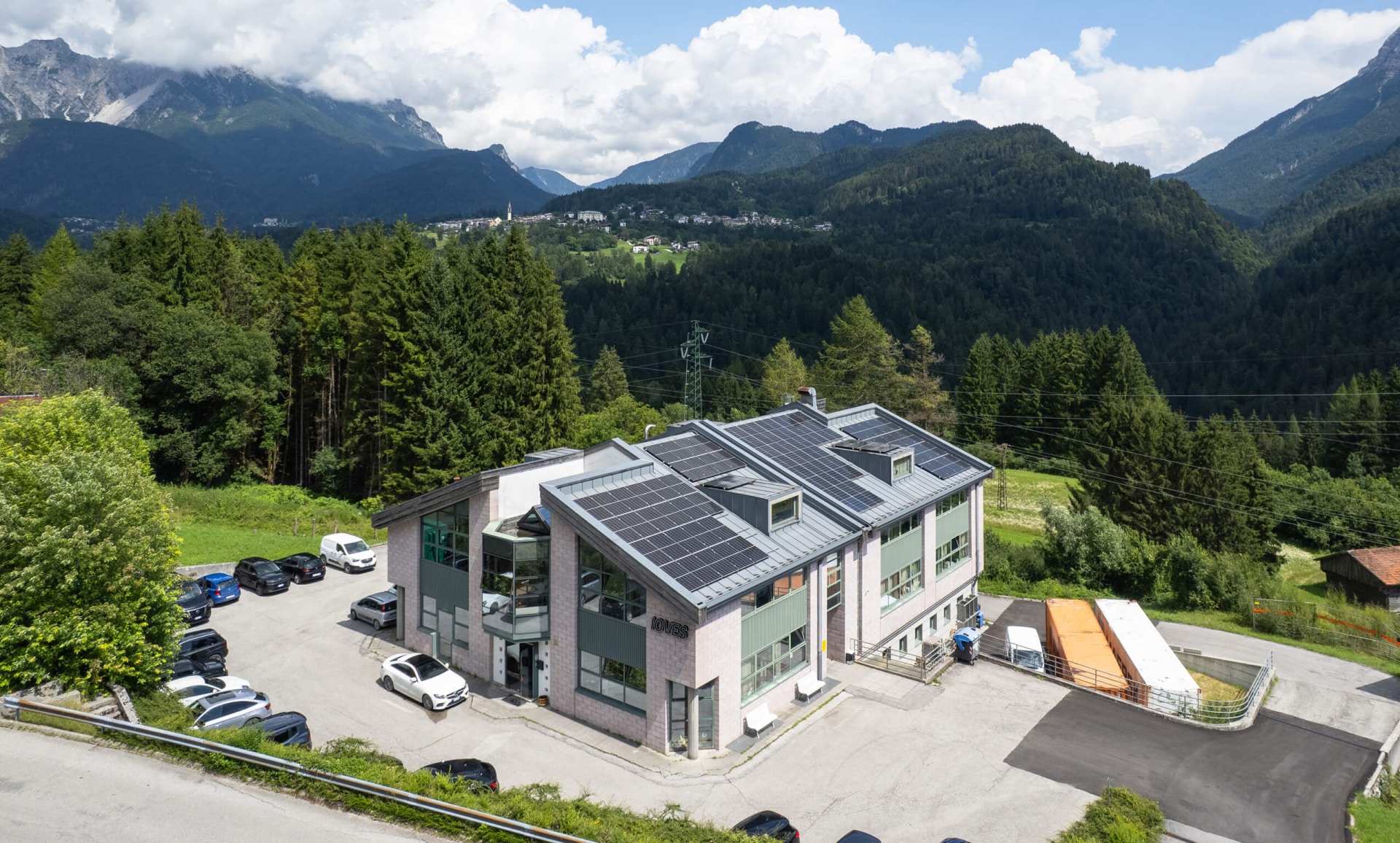
Generations of Italian optical frame engineering at IOVES headquarters in Lozzo di Cadore

Why Leading Eyewear Brands Rely on IOVES Cadore

75+ Years of Ophthalmic Excellence

Founded in 1950 in Lozzo di Cadore—the cradle of Italian eyewear—IOVES remains proudly family-owned across three generations. We bridge historic artisanal eyewear heritage with modern high-capacity automation. Producing up to 3,000 pieces per day and developing over 1,000 bespoke frame variants annually, we provide international retail groups in 90+ countries with full vertical integration, strict project confidentiality, and reliable delivery schedules.

Procurement Intelligence

Frequently Asked Sourcing Questions

Practical answers to key engineering, logistical, and compliance questions common to B2B optical sourcing operations.

What engineering parameters define genuine lightweight everyday eyeglass frames?

A true everyday lightweight optical frame must weigh between 10 and 18 grams unloaded. Crucially, the mass must be distributed along an engineered 60/40 ratio: 60% of frame weight supported smoothly across the temple mastoid contours, and only 40% bearing on the nasal bridge. This configuration prevents pressure headaches and nasal pinching. The construction requires cold-bendable temple cores, hypoallergenic skin-safe polymers (such as bio-based TR90 or Grilamid), and a minimum hinge flex resilience of 25,000 continuous cycles.

How does injection molding compare to acetate for daily ultra-light eyewear collections?

Injection molding uses ultra-low density polyamides (approx. 1.01 to 1.15 g/cm³), yielding finished frames that are 25% to 35% lighter than standard cellulose acetate (1.28 to 1.32 g/cm³). Injection technology also allows variable wall thicknesses—thinner along outer eye wires and reinforced around bridge junctions—while delivering high dimensional repeatability for multi-thousand unit runs. Acetate offers rich coloration and easy thermal bench adjustment, but precision injection molding remains the superior choice for lightweight, durable daily use.

What is the typical minimum order quantity (MOQ) and production lead time at IOVES Cadore?

For custom private label and OEM development, our typical production MOQ is 300 to 500 units per model/colorway, depending on tooling requirements. For existing proprietary tooling configurations under our private label frameworks, lower initial trial thresholds are available. Standard production cycles run 60 to 90 days from signed pre-production master sample approval, supported by our scalable 3,000 units/day Cadore output.

How do you prevent bridge pinching and slippage in lightweight daily eyewear?

Nasal fatigue and frame slippage stem from poor weight distribution rather than weight alone. We counter this by optimizing pantoscopic angles (calibrated between 10° to 12°), integrating anatomical splay angles on the nose pads (between 25° and 30°), and shaping dual-curve temple tips. This creates a secure, gentle lateral grip around the petrous bone behind the ear, keeping the frame stable during daily movement without excessive bridge pressure.

Are IOVES lightweight daily eyeglass frames compliant with international medical device regulations?

All frames manufactured at our Lozzo di Cadore facility comply with EU Medical Device Regulation (MDR 2017/745 Class I), the international ISO 12870 ophthalmic standard, and US FDA requirements under 21 CFR. Furthermore, our raw materials undergo strict chemical testing to verify REACH compliance, ensuring products are free from hazardous phthalates and certified nickel-release safe.

Can IOVES assist with private label packaging, custom branding, and omni-channel distribution?

IOVES provides full turnkey private label development. From micro-laser core engraving and high-definition pad printing to custom FSC-certified cases, recycled micro-fiber cloths, retail barcodes, and automated batch traceability, we support retail chains and private labels in more than 90 countries worldwide.

OEM / ODM Partnership

Develop Your Next Lightweight Eyewear Collection.

Partner directly with an established Italian manufacturer. Whether you are expanding an optical retail chain or engineering an innovative line of ultra-lightweight everyday frames, our technical engineering office in Lozzo di Cadore is ready to assist with sampling, tooling, and mass production.