Blog

10 Best Italian Eyewear Manufacturers for Global Buyers
Italy remains a respected source of premium frames, precision components, and distinctive eyewear design. For global buyers, choosing a manufacturer requires more than admiring a polished catalogue.
This guide introduces ten Italian eyewear manufacturers with practical purchasing needs in mind. It considers production experience, material options, private-label capabilities, minimum order quantities, lead times, and quality-control procedures. It also examines how suppliers communicate technical details, manage samples, and support international projects. These factors often matter when a frame must move smoothly from prototype to retail shelf.
Italian eyewear manufacturing is not one uniform system. A workshop in the Cadore district may offer different strengths from a larger factory near Varese or Milan. Some suppliers focus on acetate craftsmanship, while others handle metal frames, sunglasses, or integrated production services. Buyers should request current certifications, factory information, testing records, and clear commercial terms before making decisions.
Details reveal reliability. Ask how hinges are tested, how acetate sheets are finished, and how defects are recorded. Check whether stated lead times include sampling and final inspection. Small omissions can become expensive delays.
No ranking can fit every buyer. That limitation matters. A luxury brand may value hand-finishing, while a growing retailer may prioritize stable volume and flexible minimums. The manufacturers discussed here should therefore be compared against your product brief, target market, budget, and compliance requirements. Careful verification remains essential, even when a supplier has an impressive reputation.
Read more »
 By:Amelia
- October 20, 2026
How to Find Custom Sunglasses Production in 2026?
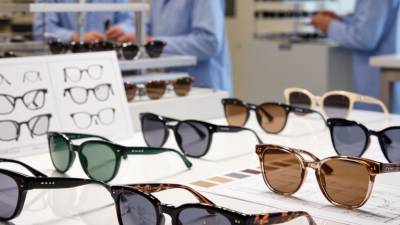
Finding reliable Custom sunglasses production in 2026 requires more than comparing factory prices. A professional sourcing process begins with product clarity. Define the frame material, lens category, dimensions, logo method, target quantity, and delivery market. A clear specification reduces misunderstandings during sampling.
Look for manufacturers with proven experience in your product category. Review factory photos, production records, sample quality, and verified customer feedback. Ask whether the supplier can provide UV protection test reports, material details, and quality-control procedures. For example, inspect acetate edges, hinge movement, lens alignment, and logo placement under bright light. Small defects often become expensive at scale.
Request a physical sample before approving mass production. Confirm the sample against your technical drawing, color reference, packaging plan, and approved tolerance range. Discuss minimum order quantities, tooling costs, payment stages, inspection points, and realistic lead times. Responsible suppliers should communicate delays instead of hiding them. That matters.
Do not assume the cheapest quotation is the best option. A low price may exclude testing, packaging, replacement parts, or export documentation. Requirements can also vary by market, so check applicable product, labeling, advertising, and environmental rules with qualified local advisers. No supplier is perfect. Your first shortlist may still be wrong. Reassess it after sampling, factory communication, and independent inspection. A careful process creates stronger partnerships and helps turn a promising sunglasses concept into a consistent, compliant product.
Read more »
 By:Ethan
- October 20, 2026

Why Choose Optical Frames Manufacturing for Global Buyers?
For global buyers, Optical frames manufacturing is more than producing attractive eyewear. It combines material selection, precision engineering, quality control, and dependable communication. A frame may look simple, yet its bridge, hinge, temple, and surface finish require careful coordination. Small errors can cause discomfort, uneven alignment, or costly returns.
Experienced manufacturers can guide buyers through acetate, stainless steel, titanium, and recycled materials. They can recommend suitable thicknesses, colors, coatings, and hinge systems for different markets. Reliable factories also provide prototypes, production samples, inspection records, and traceable material information. These details help purchasing teams evaluate performance before placing larger orders. They also support more consistent product development across seasonal collections.
Quality should be visible. Not just promised. Buyers can inspect hinge movement, lens groove accuracy, weld strength, polishing marks, and logo placement. A professional supplier should explain tolerances clearly and discuss realistic production timelines. Still, no manufacturing process is perfect. Custom colors may vary slightly between batches, and complex designs can increase sampling time. That weakness deserves honest discussion, not vague reassurance. Global buyers should compare factory experience, testing practices, communication speed, and after-sales support together. The lowest quotation may hide compromises in materials or inspection depth. In contrast, a capable Optical frames manufacturing partner creates measurable value through stable quality, responsive service, and practical problem-solving. The best decision comes from evidence, not attractive claims.
Read more »
By:Ethan
- October 20, 2026