The global landscape of prescription frame manufacturing is undergoing a structural paradigm shift. In response to supply chain disruptions, geopolitical nearshoring, algorithmic trend forecasting, and heightened clinical standards, optical procurement leaders are abandoning speculative off-the-shelf purchasing in favor of vertically audited, responsive OEM partnerships.
1. Nearshoring and Supply Chain De-Risking to European Hubs
Over the past decade, excessive dependence on long-distance trans-Pacific freight created chronic inventory delays, port congestion bottlenecks, and unpredictable shipping surcharges. Progressive North American and European optical chains are actively reallocating 30% to 50% of their private label portfolios to historic manufacturing districts like Cadore, Italy. Direct factory communication, zero-tariff intra-European logistics, and transparent freight lanes provide agile inventory turns, enabling buyers to restock fast-selling SKUs in 45 days rather than maintaining six months of expensive safety stock.
2. AI-Driven Demand Forecasting & Micro-Batch Prototyping
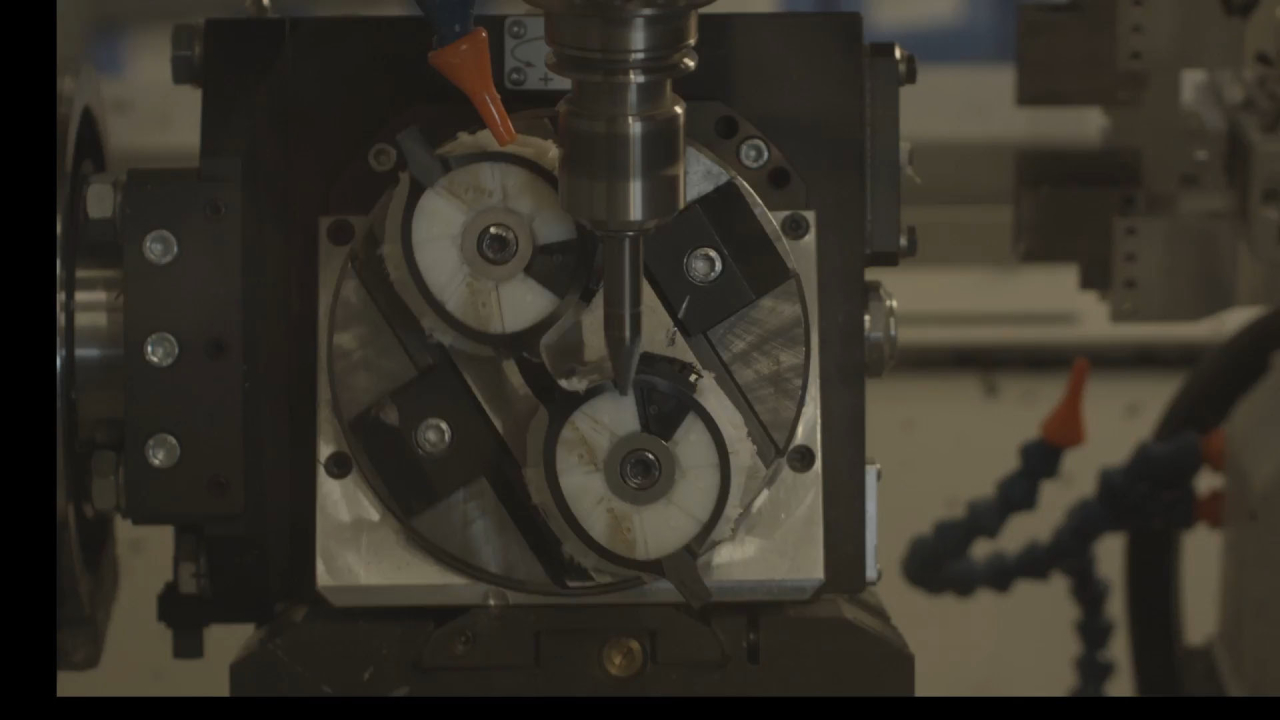
Global procurement teams now utilize predictive demand analytics and generative shape-synthesis models to identify micro-shifts in consumer preferences—such as the transition from thick brutalist 10mm acetate geometrics to hyper-refined hexagonal wire silhouettes. Rather than committing to 2,000 units of an unproven design, buyers require contract manufacturers with agile CNC tooling and digital prototyping. At IOVES, our in-house CAM software can take a 3D surface model and generate functional, hand-assembled prototypes within 14 days, drastically condensing the time-to-market and reducing financial inventory exposure.
3. Medical Device Compliance and Rigorous Regulatory Audits
With the worldwide enforcement of the European Union Medical Device Regulation (EU MDR 2017/745) and equivalent UKCA / FDA guidelines, prescription frames are scrutinized with increased clinical severity. Regulatory bodies require verified material certificates of origin, biocompatibility dossiers proving the absence of cytotoxic plasticizers (such as phthalates), and rigorous mechanical endurance logs. Private label buyers can no longer rely on uncertified broker networks; they require accountable manufacturing partners capable of issuing audited technical files, unique Device Identification (UDI) support, and complete batch traceability directly from the factory floor.