Eco Sunwear
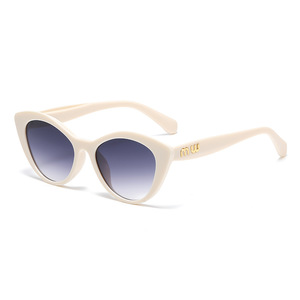
Engineered to withstand rigorous Arctic environmental stresses, salt-mist maritime exposure, and strict European Medical Device Regulations (EU MDR 2017/745).
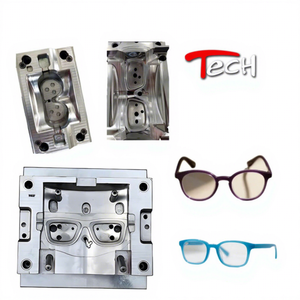
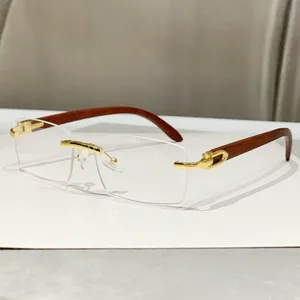
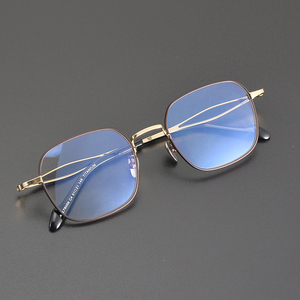
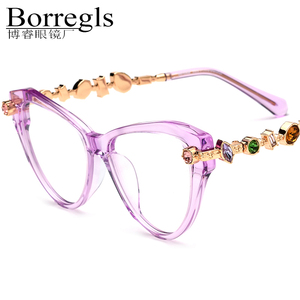
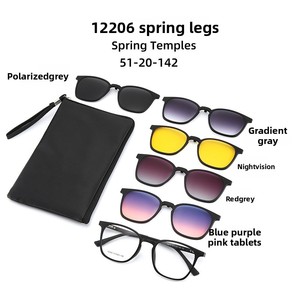
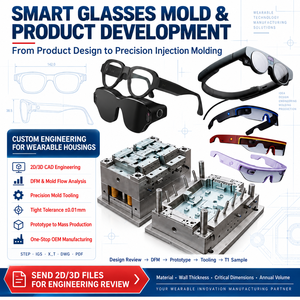
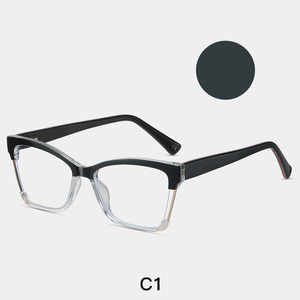
The Norwegian eyewear retail landscape presents unique metallurgical and polymer challenges. Eyewear procured for Oslo, Bergen, Trondheim, and Tromsø must perform seamlessly across sub-zero Arctic freeze, maritime salt corrosion, and intense glacial albedo.
Standard injection molded frames undergo glass transition embrittlement when exposed to -20°C in inland Norway (Hedmark/Finnmark). We utilize Swiss EMS Grilamid TR90 and bio-based PA12 resins, rigorously subjected to drop-ball fracture testing at -30°C to eliminate temple fractures and bridge snap.
Low-angle Arctic sunshine and snow albedo reflect up to 85% of UV radiation. Our Category 3 and Category 4 polarized lenses feature multi-layer anti-reflective interior stacks, back-surface hydrophobic sealants, and 100% UV400 blocking conforming strictly to EN ISO 12312-1:2022 standards.
Norway's extensive coastline requires exceptional galvanic protection. Our metal and rimless lines deploy aerospace Beta-Titanium and marine-grade surgical stainless steel, layered with 5-micron physical vapor deposition (PVD) to survive 72-hour neutral salt-spray (NSS) corrosion audits.
Norwegian buyers from regional optical buying groups (such as c/o Synsam, Krogh Optikk partners, and boutique chains) maintain exacting corporate social responsibility (CSR) and technical performance thresholds.
Norwegian procurement officers prioritize environmental transparency under the Norwegian Transparency Act (Åpenhetsloven). The demand for petroleum-free cellulose acetate (M49 compliant) and certified ocean-recycled plastics has escalated by over 40% year-on-year across Scandinavian distribution channels.
Consumer preferences in Oslo favor clean architectural silhouettes, functional hinges without overt external screws, and muted organic color palettes—warm amber, moss green, deep granite, and crystalline translucent tones that blend heritage craft with clinical precision.
Norway, via the EEA Agreement, strictly enforces EU Medical Device Regulation (MDR 2017/745) for all corrective prescription spectacle frames. Importers demand fully vetted Technical Documentation Files (TDF), UDI-DI allocation, and ISO 12870 mechanical endurance validation.
| Material Specification | Tensile Yield Strength | Cold-Crack Impact (-20°C) | Corrosion Resistance | EEA / CE Regulatory Status | Target Nordic Application |
|---|---|---|---|---|---|
| Swiss EMS TR90 Resin | 85 MPa | Optimal (No Fracture) | Immune (Polymer) | MDR Class I / REACH | Active Lifestyle & Sports Eyewear |
| Mazzucchelli Bio-Acetate | 70 MPa | Standard Elastic Recovery | Excellent | EN ISO 12870:2018 | Urban Optical & Premium Sunwear |
| Beta-Titanium (Grade 5) | 895 MPa | Exceptional (Aerospace) | Total Seawater Immunity | Nickel-Free EN 16128 | Ultra-Light Prescription Frames |
| Recycled Polycarbonate (R-PC) | 65 MPa | Moderate Toughness | Immune (Polymer) | ISO 14021 Recycled Content | Promotional & High-Volume Fashion |
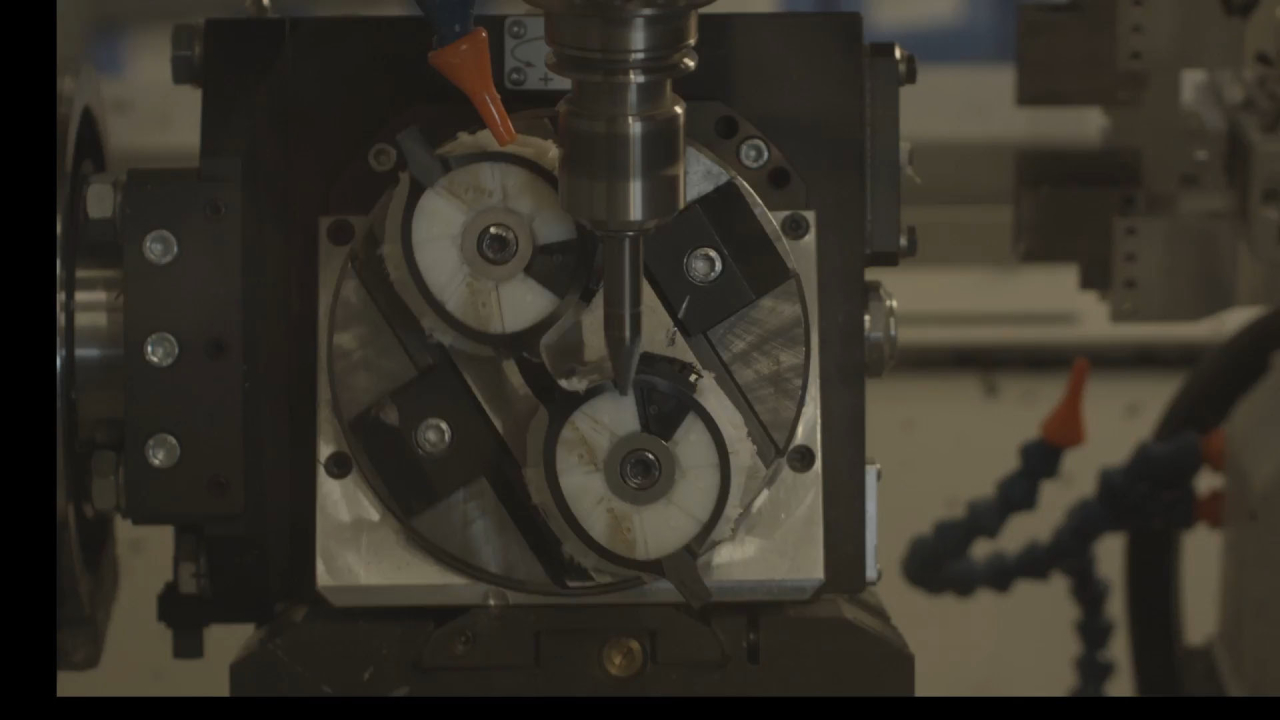
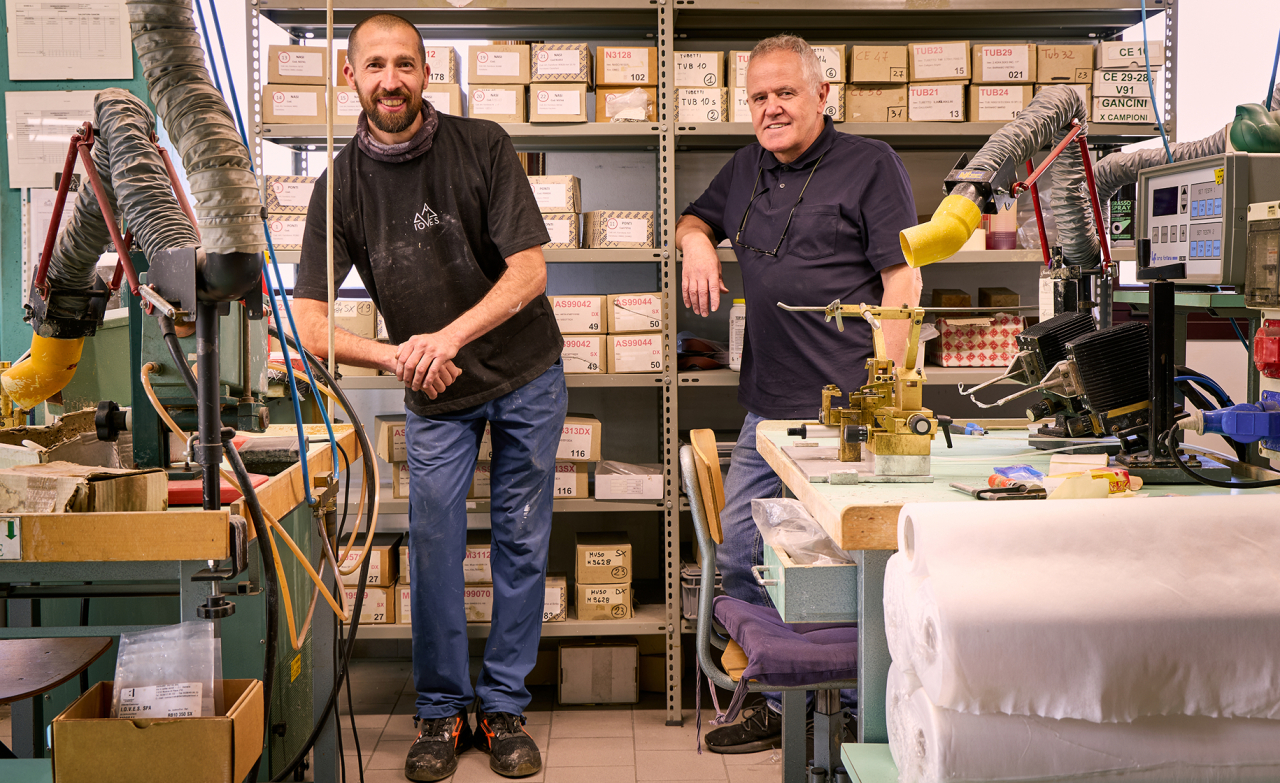
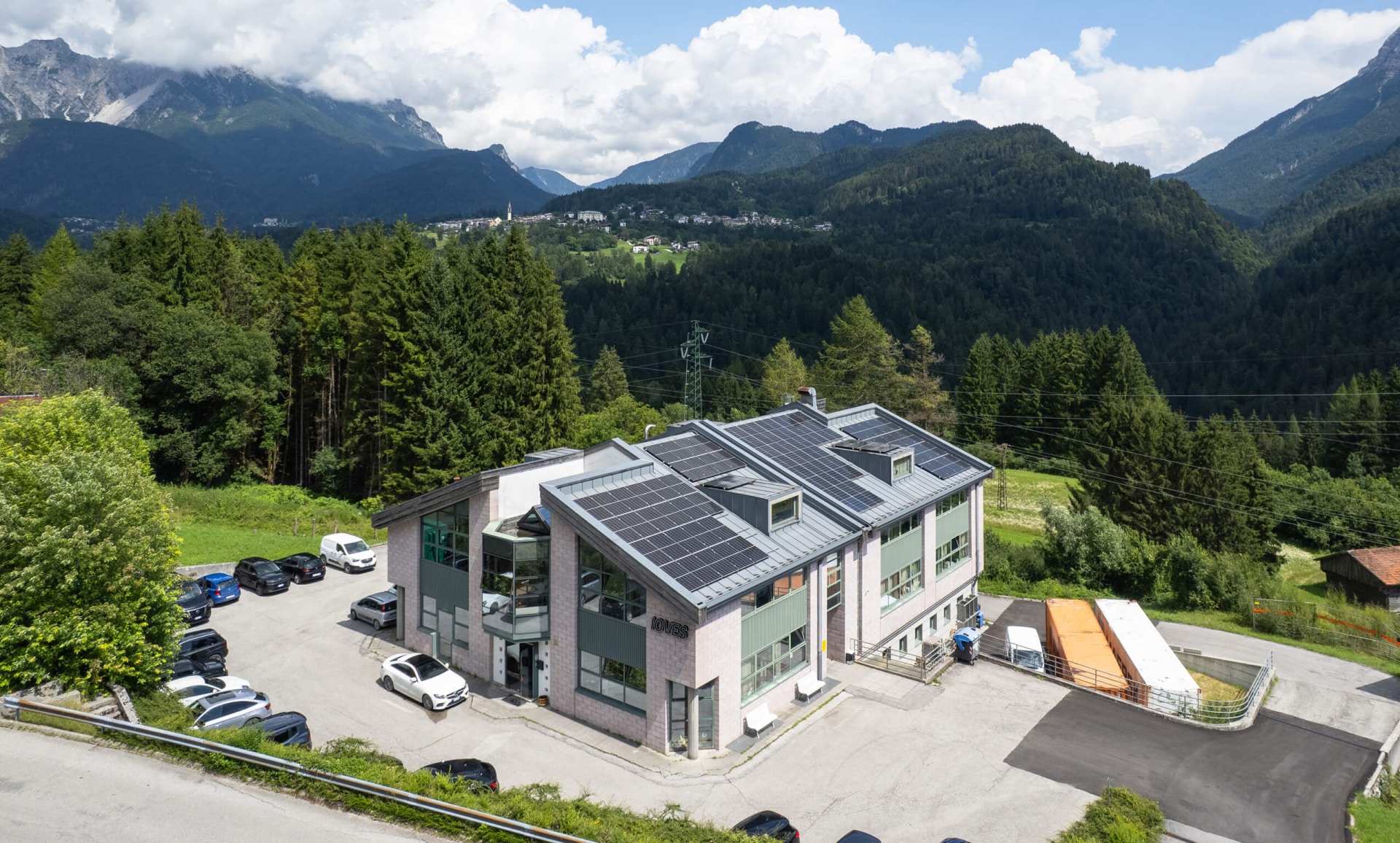
Originating from the historic Cadore eyewear manufacturing cluster since 1950, our manufacturing facility bridges three generations of artisan hand-finishing with cutting-edge Swiss CNC milling and ISO9001:2015 injection molding technology.
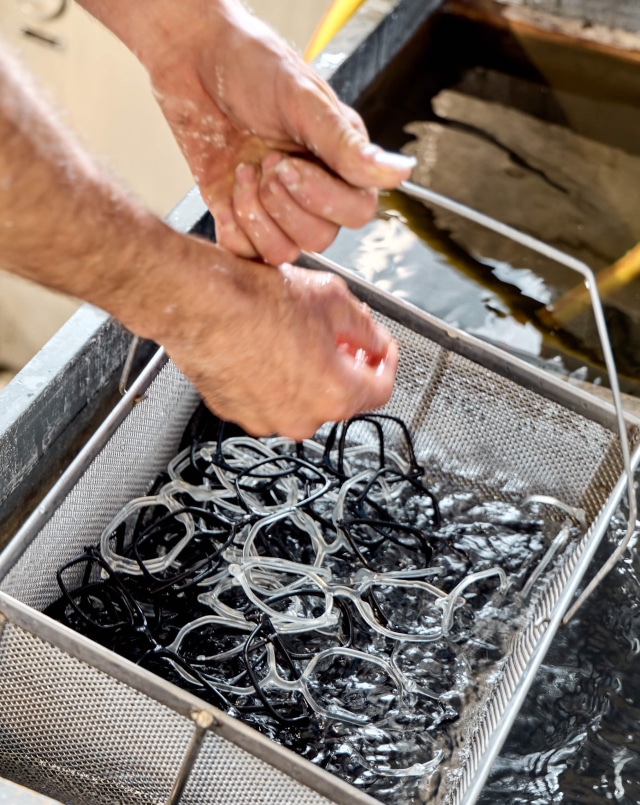
Unlike standard brokers, our engineering core develops custom molds, precision TR90 injection tools, and automated multi-barrel wet/dry tumbling cycles entirely in-house. This gives Norwegian buyers direct source-factory pricing, strict intellectual property confidentiality, and lot-to-lot dimensional repeatability.
Technical guidance covering customs (Toll.no), CE conformity declarations, testing protocols, and lead times for shipments destined for Oslo, Bergen, or Trondheim.
Under the EEA Agreement, Norway implements EU Regulation 2017/745. Optical frames for corrective lenses are categorized as Class I Medical Devices. We provide complete Declarations of Conformity (DoC), Technical Documentation Files (TDF), biocompatibility reports (ISO 10993 for skin irritation and cytotoxicity), and mechanical testing dossiers in accordance with EN ISO 12870:2018. All packaging is pre-printed with the CE mark, European Authorized Representative (EC REP) data if required, and standardized UDI barcode labels.
Shipments to Norway include an itemized Commercial Invoice with exact HS Codes (HS 9003.11 for plastic spectacle frames, HS 9003.19 for metal frames, HS 9004.10 for sunglasses), Packing Lists, and Certificates of Origin. Where applicable under bilateral agreements, EUR.1 certificates are supplied to enable duty optimization upon arrival at customs checkpoints such as Oslo Gardermoen (OSL) air terminal or the Port of Oslo.
We perform environmental thermal cycling inside our climate testing chambers. Samples are pre-conditioned at -30°C for 24 hours, followed by rapid transfer to +40°C to simulate moving between cold outdoor conditions and heated Nordic indoor environments. Post-cycling stress checks include bridge deformation tests (EN ISO 12870 section 4.7) and spring-hinge endurance tests (25,000 cycles without loss of hinge tension).
For custom acetate CNC collections, our standard MOQ is 300 pieces per model (divided into 2–3 bespoke colorways). For TR90 and injection-molded eyewear utilizing ready tooling, MOQs begin at 600 pieces. For custom tooling projects where we build private multi-cavity injection molds, our engineers develop 3D SLA prototypes within 7 days, complete steel tooling in 35 days, and support scalable runs from 1,200 to 50,000+ pieces.
Yes. In alignment with minimalist Scandinavian branding styles, we provide high-precision fiber laser micro-engraving, subtle metallic core wire pressing, internal hot-stamping, and integrated metal end-tip plaques. We can also produce custom debossed leather cases and recycled microfiber cloths compliant with FSC packaging standards.
Prototyping and sample validation generally take 12 to 18 days. Bulk mass production runs require 45 to 60 days depending on raw material customization (e.g., custom acetate color laminate aging). For logistics, air freight to Oslo Gardermoen typically takes 4 to 6 business days via DHL/FedEx Express or air cargo, while consolidated sea freight to maritime ports takes approximately 18 to 24 days.
Initiate direct discussions with our senior engineering and export management team. We provide rapid prototype evaluation, full MDR/CE documentation, and scalable volume production.
Contact Us