Strategic Polarized Eyewear Procurement: Engineering, Compliance, and Supply Chain Architecture
For commercial directors, procurement specialists, and global optical brands, sourcing wholesale polarized sunglasses transcends mere surface aesthetics. The international eyewear market demands strict optical verification, guaranteed photopic transmission adherence, precise molecular film alignment, and total material traceability. Headquartered in Lozzo di Cadore, Belluno (Italy)—the historic crucible of the European eyewear trade since 1950—our facility bridges artisanal heritage with industrial volume. We produce over 3,000 finished pieces per day and engineer more than 1,000 bespoke models annually, supplying leading distributors across 90+ countries under rigorous ISO, ANSI, and CE standards.
This procurement guide delivers transparent insights into lens substrate architecture (Triacetate Cellulose, Polycarbonate, Polyamide Nylon), injection tooling tolerances, private-label confidentiality agreements, and forward-looking market projections covering 2026–2030.
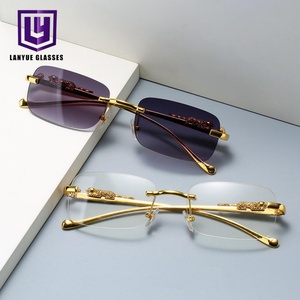
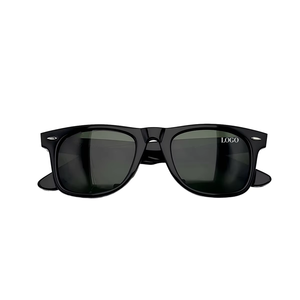
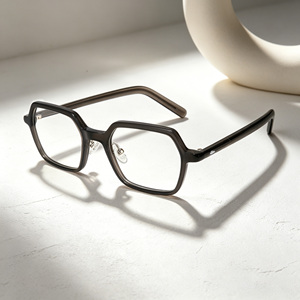
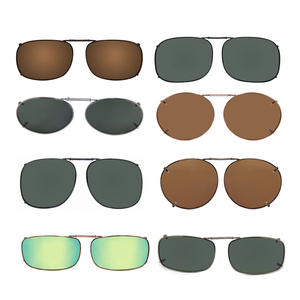
Featured Wholesale Polarized Sunglasses & High-Precision Frames
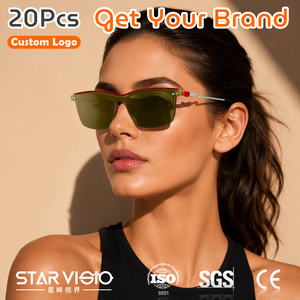
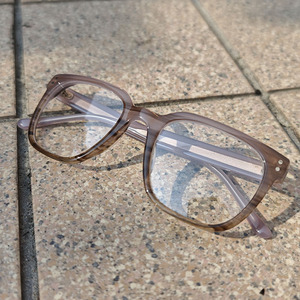
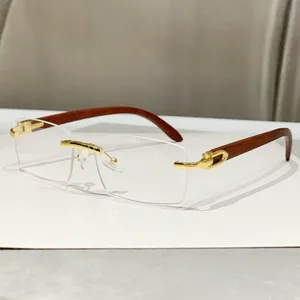
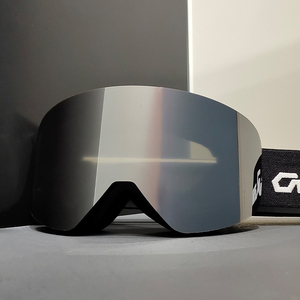
Explore production-ready references spanning ultra-lightweight TAC clips, Italian Mazzucchelli acetate sunglasses, architectural rimless driving eyewear, and snow sports optics.
Corporate Engineering & Operational Strengths
Why tier-one optical retail chains, global luxury labels, and large-scale importers partner directly with our vertically integrated Lozzo di Cadore industrial facility.
Single-Roof Execution
Every workflow from 3D CAD modeling, CNC tooling, and acetate tumbling to multi-axis surface polishing and ultrasonic lens fitting takes place in-house, eliminating intermediate vendor markups and reducing delivery friction.
Documented Compliance
Complete batch conformity with EU Regulation 2016/425 (EN ISO 12312-1), US ANSI Z80.3, Australian AS/NZS 1067.1, and FDA drop-ball impact testing (21 CFR 801.410) with factory certificates provided per shipment.
Absolute Discretion
Confidentiality is our industrial default. Proprietary frame geometry, surface milling profiles, private molds, and customer logos are guarded under rigorous non-disclosure agreements across our entire team.
Acetate, Metal & Injected
Full manufacturing versatility under one contract: custom laminated Mazzucchelli block acetate, lightweight Monel/titanium alloys, and precision-injected TR90 or Grilamid for lifestyle, luxury, and sport markets.
Lens Substrate Analysis: Polarized Architecture Comparison
Professional optometric comparison of polarized lens media to assist procurement teams in matching lens technology to retail positioning, durability demands, and targeted margin structures.
| Lens Core Technology | Layer Substrate & Thickness | Polarization Efficiency | Abbe Value (Optical Clarity) | Optimal Market Application |
|---|---|---|---|---|
| Triacetate Cellulose (TAC 1.0mm) | 7-9 multi-layer laminated sandwich with PVA film | > 99.0% Glare Filtration | 56 (Extremely Low Chromatic Aberration) | High-volume retail fashion, clip-on sunglass attachments, lightweight lifestyle eyewear |
| Polycarbonate (Injected PC) | Wafer-cast injection bonded with dual hard-coat | > 99.2% Glare Filtration | 29 - 31 (High impact resistance, mild dispersion) | Tactical, watersports, cycling, and OSHA-compliant industrial sun safety |
| Polyamide (Optical Nylon) | Cast high-density micro-crystalline thermoplastic | > 99.5% Polarized Efficiency | 50 - 52 (Exceptional balance of toughness & sharpness) | Luxury designer rimless collections, drill-mount temples, premium outdoor travel |
| Mineral Crown Glass (1.8mm) | Chemically tempered double glass with sandwiched PVA | > 99.8% Polarized Clarity | 58 - 59 (Benchmark optical fidelity, scratch-proof) | Heritage nautical collections, offshore fishing, ultra-premium boutique eyewear |
Future Procurement & Sourcing Trends in Wholesale Polarized Eyewear
Strategic forecasting to future-proof wholesale portfolios against changing environmental regulations, lens technological advances, and evolving consumer buying behavior.
Bio-Acetate & Recycled PVA Film
Global retail chains are phasing out traditional petroleum plasticizers. The industry standard is shifting to bio-based cellulose acetate (certified ISO 14855 biodegradable) coupled with castor oil-derived bio-nylon lenses and non-phthalate bonding adhesives to meet EU ESG taxonomy requirements.
Electrochromic & Photo-Polarized Hybrids
The distinction between lifestyle and smart optics is narrowing. Next-generation inventory focuses on variable-tint polarized coatings (photochromic polarization) that shift dynamically from Cat. 1 indoors to Cat. 3 polarized outdoors, alongside liquid crystal electrochromic lenses for instantaneous light management.
Featherweight Structural Alloys
End-consumer fatigue has catalyzed demand for minimalist architectures under 18 grams. Rimless cut-edge geometries, sculptured micro-cast hinges, high-flex Japanese beta-titanium wire, and layered magnet clip-on configurations will drive catalog conversions through 2030.
Critical Product Development Trends in Polarized Eyewear
Key engineering breakthroughs transforming eyewear performance, color contrast, and production durability in high-performance applications.
Spectral Band Filtering
Modern polarized lenses no longer attenuate light uniformly across the visible spectrum. Advanced rare-earth dye infusion selectively suppresses yellow light (580nm), dramatically elevating red and green contrast for maritime navigation, tournament fishing, and high-speed driving.
Vacuum Hydrophobic & Oleophobic Coatings
State-of-the-art PVD chamber deposition applies multi-layer anti-reflective (AR) back-surface treatments combined with super-hydrophobic top-coats. This prevents lens delamination under saltwater exposure and eliminates secondary back-glare entering the peripheral eye envelope.
Zero-Stress Polarized Decentration
Wrapping polarized lenses across base curves of 6.0 and 8.0 introduces prism distortion and internal strain birefringence if incorrectly edged. Our 5-axis CNC edging applies computer-calculated decentration to guarantee zero ocular fatigue over extended wear.
Wholesale Buyer FAQs: Polarized Sunglass Sourcing
Direct answers to the most common technical, financial, and logistical questions raised by global eyewear distributors and brand managers.
What is the standard Minimum Order Quantity (MOQ) for custom OEM polarized sunglasses?
Our baseline production runs typically start at 300 to 500 pieces per model, with flexible colorway breakdowns (e.g., 100 to 150 pieces per color SKU across 3 distinct frame/lens variations). For fully customized custom acetate block extrusions or bespoke injection mold development, MOQs generally sit at 1,000 to 1,200 pieces to absorb tooling amortization. In-stock rapid wholesale catalog lines can be secured at lower entry thresholds of 50 to 100 units for immediate testing.
How does the factory verify polarized axis alignment and avoid optical birefringence?
Polarized polyvinyl alcohol (PVA) film must align precisely at 90° ± 2° (perpendicular to horizontal glare) across both left and right lenses to prevent binocular disparity. During quality control, each production lot undergoes polariscope inspection to screen for internal material stress, prism imbalance, and localized refractive distortion prior to final frame glazing.
Can polarized lenses be customized for prescription (Rx) optical wearers?
Yes. We engineer dual-purpose solutions including magnetic clip-on sunglasses (compatible with 0.74mm and 1.0mm TAC polarized sheets) that clip flush against acetate or metal optical frames. For dedicated prescription sunglasses, we supply cast CR-39 and Polycarbonate polarized semi-finished blanks engineered for digital free-form laboratory surfacing across single-vision and progressive configurations.
What quality certifications and laboratory reports are provided for customs clearance?
Every commercial export is accompanied by formal Declarations of Conformity. Our testing portfolio verifies compliance with EU PPE Regulation 2016/425, ISO 12312-1, ANSI Z80.3 (general optical and UV transmission), AS/NZS 1067.1, REACH Annex XVII (nickel release and toxic plasticizer screening), and FDA 21 CFR 801.410 impact test verification letters for seamless entry through US and European ports.
What is the standard production lead time from prototype sign-off to shipment?
Initial rapid prototyping (3D printed resin mock-ups and CNC hand-carved acetate samples) is completed within 10 to 14 working days. Upon physical sample sign-off, pilot injection tooling and full mass manufacturing runs standardly require 45 to 60 calendar days, depending on surface plating complexity (e.g., PVD vacuum ion plating or multi-layer lacquer curing cycles).
Request Complete OEM/ODM Wholesale Catalog & Technical Specs
Connect with our senior engineering and export accounts team in Cadore to review pricing tiers, custom tooling availability, lens polarization samples, and private-label packaging solutions.
Get Catalog