Vetted Production SKUs & Flagship Eyewear Collections
Explore commercial-ready optical frames and technical sunglasses produced to stringent international benchmarks. Each design accommodates customized private label branding, personalized packaging, and custom lens configurations.
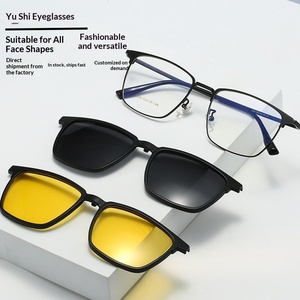
2-in-1 Nylon Polarized Combo Glasses Ultra Light Magnetic Frame
- Material: High-Flexibility TR90 / Nylon
- Feature: High-power NdFeB Magnetic Clip
- Target: Commuter & Optical Prescription
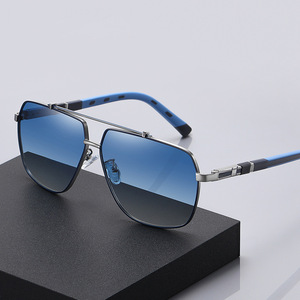
Men's Polarized UV400 Mirror Pilot Sunglasses Carbon Fiber Temples
- Structure: 3K Woven Carbon Fiber + Alloy
- Optics: UV400 TAC Triacetate Polarized
- Hinge: Multi-barrel spring-damped
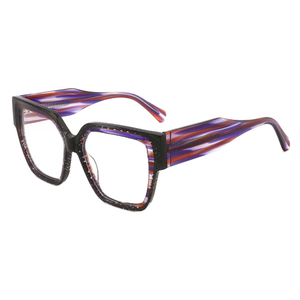
Yasee High-End Italian Acetate Oversized Women Optical Frames
- Core: Multi-layered Block Cellulose
- Finish: 72-Hour Organic Tumbling Polish
- Fit: Ergonomic Sculpted Bridge Profile
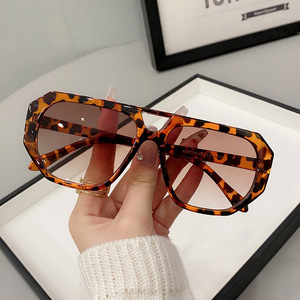
Summer Retro Round Face UV400 Driving Lifestyle Sunglasses
- Design: Iconic Pantos Round Silhouette
- Optics: Class 3 Cat. Tint Glare Reduction
- Market: Fashion Retailers & E-commerce
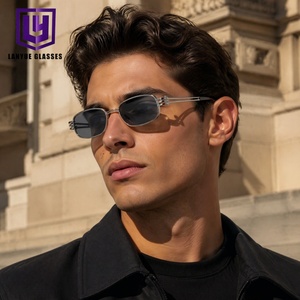
Small Rectangle Slim Metal Frame Textured Temples Streetwear
- Frame: Monel & Stainless Wire Construction
- Plating: 0.5-Micron IP Galvanic Coating
- Details: Guilloché Chiseled Rim Edges
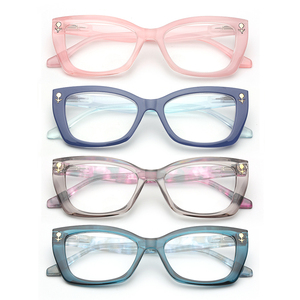
High-End Oversized Cat Eye Reading Glasses Elegant Ladies Frame
- Optics: Anti-Reflective Blue Blocking Lenses
- Hinges: OBE Spring Mechanics, 25k Cycles
- Customization: Pad-Print / Foil Inlay Logo
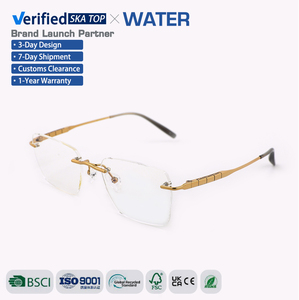
Sifier Luxury Rimless Square Optical Glasses Thin Metal Temples
- Weight: Featherlight 11.2g Chassis
- Pads: Hypoallergenic Medical Silicone
- Assembly: Compression Bushing Mounting
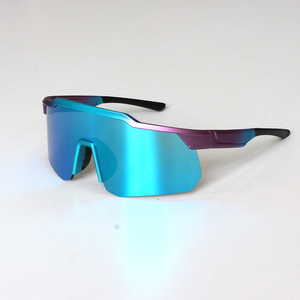
FUYUANDA TR90 Polarized Sport Cycling Wrap Shield Sunglasses
- Curvature: 8-Base Panoramic Wrap Lens
- Material: EMS Grilamid TR90 Swiss Polymer
- Grip: Co-injected Hydrophilic Rubber
Top 10 Evaluation Criteria for Wholesale Eyewear Factories
Selecting an OEM/ODM optical manufacturing partner requires verifying critical technical capabilities beyond simple wholesale unit pricing. In accordance with ISO 12870 quality management metrics, procurement teams must assess physical plant tooling, material provenance, and metallurgical stability.
1. Material Traceability & Purity
A tier-one supplier must supply origin certificates for primary substrates. For premium cellulose acetate, look for virgin cotton pulp and wood flake feedstock (e.g., Mazzucchelli or equivalent premium extrusion) without degraded industrial re-grind, preventing temple distortion and bloom over long retail shelf cycles.
- Bio-compatible phthalate-free plasticizers
- Surgical SUS316L & pure Grade 2 Titanium metal wire
- Swiss EMS Grilamid TR90 raw granules
2. Multi-Axis CNC Milling Precision
Dimensional tolerances dictate lens retention integrity and optician glazing speed. Leading factories deploy 5-axis robotic carving platforms achieving ±0.03mm groove bevel precision. Substandard factories relying on manual router guides yield varying bevel apex depths, generating unwanted lens edging failures in retail labs.
- V-bevel profiling matched to standard 1.56–1.74 lenses
- Stress-free bridge contours mitigating stress fracture
- Zero-play hinge pocket pocketing
3. Polishing & Surface Refinement Cycles
Surface luster differentiates mass-market injection from artisanal luxury. World-class Italian workshops in Lozzo di Cadore utilize an uninterrupted 72-hour tumbler cycle combining beechwood chips, pumice abrasive oils, and natural carnauba wax to produce depth of shine without rounding crisp chamfered design angles.
- Three-stage automated barrelling (Rough/Fine/High-Gloss)
- Manual wheel buffing by master artisan finishers
- Zero micro-orange-peel defects under halogen lamp inspection
4. Hinge Fatigue Endurance Benchmarks
The structural pivot of any frame is its hinge assembly. Premium factories employ integrated friction-washers, 3-barrel or 5-barrel German OBE hinges, or custom flex-leaf springs capable of surviving 25,000 continuous opening and closing cycles without hinge drop or angular misalignment.
- Torque degradation testing (<15% tension loss)
- Direct soldering with silver-alloy brazing
- Corrosion-resistant teflon-coated screws
5. Advanced Electroplating & PVD
Metal frame durability hinges upon coating adhesion. Reputable manufacturers deploy Ion Plating (IP) and Physical Vapor Deposition (PVD) under high-vacuum cleanroom settings. This guarantees compliance with EN 16128 nickel release restrictions while maintaining corrosion protection against sweat and seawater.
- Minimum 0.3 to 0.5-micron precious metal deposit
- Electrophoretic clear-coat anti-fingerprint seal
- 48-Hour artificial sweat immersion resistance
6. Regulatory & Medical Device Filings
Because prescription frames and sunglasses qualify as Class I medical devices or PPE in the EU and United States, a compliant supplier must supply comprehensive Technical Documentation, CE declarations of conformity according to Regulation (EU) 2017/745 (MDR), and FDA registration credentials.
- Full FDA Device Master File & registration
- UKCA compliance for United Kingdom markets
- ISO 9001 and ISO 13485 accredited production line
Inside Cadore: Three Generations of In-House Optical Production
Originating in 1950 in Lozzo di Cadore, the historic heart of the Italian eyewear district, IOVES combines authentic artisanal mastery with high-capacity automated production. Complete vertical integration ensures zero third-party leakage and immaculate batch consistency.
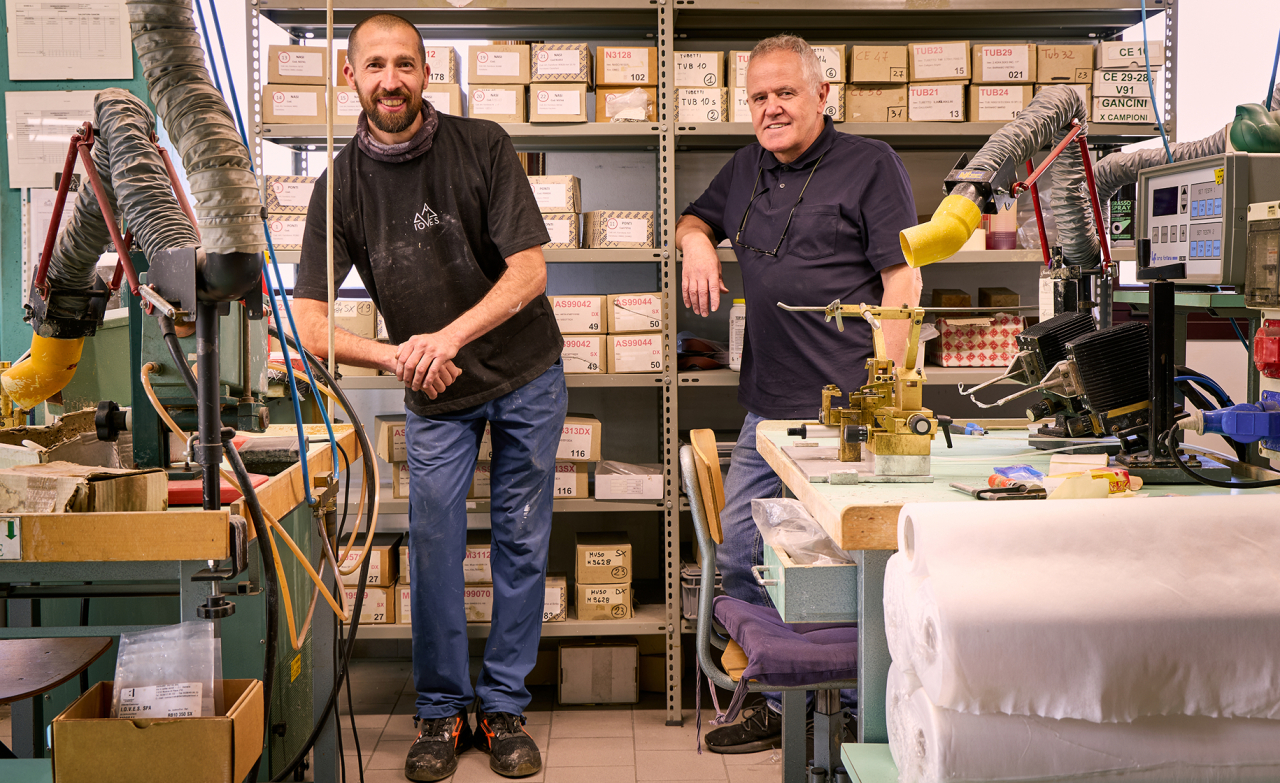
Full In-House Integration: Design to Final QC
Unlike contract traders who broker components across multiple disparate subcontractors, IOVES manages 100% of the manufacturing life-cycle under one roof in Belluno. From optical sketching, technical CAD surface rendering, and mold prototyping, to automated stamping, ultrasonic degreasing, and hand assembly, every stage is executed within our own facilities.
This closed-loop system is why luxury labels, optical retail chains, and international distributors in over 90 countries rely on our Cadore plant. Project confidentiality is absolute: designs, mold files, and commercial volumes remain strictly protected under Italian intellectual property jurisprudence.
Production Capability: 3,000 finished pieces per day, supported by more than 1,000 custom tooling iterations developed annually across our primary material lines: Mazzucchelli acetate, fine wire metalwork, and precision Swiss injection molding.
Proven Market Success Across Diverse Consumer Demographics

West Everyday Ergonomics
Engineered for lightweight daily use. Built on dependable mechanics, flexible temple arm geometries, and accessible price positioning for high-turnover optical chains.

Amarcord Contemporary Design
Boutique feminine collections balancing chromatic vibrancy with structural finesse. Features bespoke acetate color blends tailored to contemporary European fashion palettes.

Diva High Luxury & Crystals
Designed for upscale optical boutiques. Embellished with genuine hand-set Swarovski crystals, gold-micron electroplating, and sculpted silhouettes that define evening elegance.
Comprehensive Structural Analysis of Wholesale Eyewear Materials
Evaluating the mechanical, chemical, and commercial trade-offs of core eyewear construction materials enables procurement teams to balance margin, durability, and brand positioning.
| Material Family | Tensile Strength (MPa) | Density (g/cm³) | Glazing Adjustability | Ideal B2B Market Segment | Tooling / Setup Cost |
|---|---|---|---|---|---|
| Cellulose Acetate (Mazzucchelli Block) | 45 – 65 | 1.28 | High (Heat formable at 65°C) | Mid-to-High Luxury, Boutique Designer Labels | Low Initial Tooling (CNC Router Driven) |
| Stainless Steel (SUS304 / SUS316L) | 520 – 750 | 7.90 | Moderate (Cold-bendable plier work) | Minimalist, Executive, Lightweight Optical | Moderate (Wire EDM & Stamping Dies) |
| Beta-Titanium (Ti-15V-3Cr-3Sn-3Al) | 880 – 980 | 4.50 | Specialized (Laser weld & cold tooling) | Ultra-Premium, Ergonomic Medical Eyewear | High (Cleanroom Argon Gas Brazing) |
| Swiss Grilamid TR90 (Injection) | 60 – 85 | 1.01 | Low (Cold-snap glaze profile) | Sport Shield, High-Volume E-Commerce, Kids | High (Hardened Steel Injection Tooling) |
| Carbon Fiber Composite (Toray Prepreg) | 1,200 – 1,800 | 1.55 | Rigid (Metal core insert required) | High-Performance Pilot, Men's Luxury Sport | High (Precision Autoclave Vacuum Molding) |
Future Procurement & Product Development Trends
The global wholesale eyewear landscape is undergoing profound structural shifts. Driven by stringent sustainability mandates, smart wearable convergence, and supply chain nearshoring, procurement officers must align factory contracts with emerging market dynamics.
1. Bio-Circularity & The Mandatory Decarbonization Mandate
By 2026, European and North American retail groups will demand documented Life Cycle Assessments (LCA) under ISO 14040. Traditional fossil-fuel diethyl phthalate (DEP) plasticizers are rapidly being phased out in favor of bio-based triethyl citrate (TEC) derived from non-food agricultural biomass.
Factories leading this transformation deploy M49 bio-acetate (biodegradable under ISO 14855 standards within 115 days) and chemically recycled PET marine polymers. Importers who transition their wholesale supply chains to certified bio-resins benefit from reduced carbon border tariffs and gain preferential shelf space across major multinational optical retail conglomerates.
2. Hybridized Smart Frame Architecture
The emergence of audio-assisted eyewear, bone-conduction communication, and electrochromic tint-shifting lenses requires optical factories to rethink traditional frame architecture. Frame factories are no longer mere shape-cutters; they are precision packaging engineers.
Wholesale manufacturers must integrate IPX5 micro-cavity routing into hollow acetate temple cores, co-mold conductive copper traces inside TR90 sports arms, and accommodate magnetic quick-disconnect pogo pin charging terminals. Forward-thinking suppliers already offer modular chassis systems allowing traditional prescription opticians to install prescription Rx lenses into smart audio frames without compromising the internal electronic potting.
3. Digital Telemetry & Rapid SLA Prototyping
The archaic practice of waiting 10 weeks for brass casting sample iterations has become obsolete. State-of-the-art Italian suppliers employ stereolithography (SLA) resin 3D printers and multi-jet fusion technology to output physically glazed fit prototypes in under 72 hours.
B2B optical chains can now execute virtual 3D fit tests against demographic facial scan databases (Asian fit pantoscopic angle vs European bridge geometry) before committing capital to steel cutting molds. This agile methodology compresses the procurement development cycle from 9 months down to 45 business days, lowering inventory risk across speculative seasonal fashion colors.
4. Supply Chain De-Risking & Dual-Shoring Paradigms
Recent maritime shipping bottlenecks and geopolitical tariff renegotiations have spurred high-volume brands to adopt dual-sourcing strategies. Optical enterprises maintain baseline volume injection manufacturing in Asia while shifting their premium, fast-turnaround, and high-margin private label collections to established European manufacturers like IOVES in Cadore, Italy.
This hybrid sourcing model secures a dual advantage: the prestigious "Made in Italy" label commands up to a 65% retail price premium at retail counters, while reducing delivery lead times for mid-season reorders via direct truck and express air corridors across EMEA and North America.
Frequently Asked Questions by Optical Procurement Directors
Clear, direct answers addressing contractual, logistical, regulatory, and technical considerations when engaging an OEM/ODM optical frame manufacturer.
What is the standard Minimum Order Quantity (MOQ) for custom private label optical collections?
Standard OEM custom-tooled designs typically require an MOQ of 300 to 500 units per model, split across 2 to 3 color variants (e.g., Havana, Gloss Black, Crystal Champagne). For in-stock ready-to-ship models utilizing existing house tooling, private label pad-printing and custom laser engraving can be initiated at lower test thresholds of 100 units per SKU.
How does an authentic European factory verify "Made in Italy" regulatory authenticity?
Under Italian Law 166/2009 and EU customs regulations, goods claiming "100% Made in Italy" must have design, planning, processing, and assembly executed on Italian soil. At IOVES in Lozzo di Cadore, we supply documented traceability records, commercial invoices, and Declarations of Conformity verifying every production stage from raw Italian acetate to final case packaging.
What certifications are required to import wholesale frames into the US and EU?
Imports into the EU require CE marking under Regulation (EU) 2017/745 for Class I medical optical devices and Regulation (EU) 2016/425 for sunglasses, alongside ISO 12870 mechanical safety compliance. For the United States, manufacturers must hold active FDA Owner/Operator listings and Device Master Files, with sunglass lenses certified for 21 CFR 801.410 drop-ball impact resistance.
How are intellectual property rights and proprietary mold files safeguarded?
IOVES operates under rigorous Italian and European IP protection protocols. Proprietary tooling, 3D CAD step files, and bespoke acetate lamination recipes are bound by mutually enforceable Non-Disclosure Agreements (NDAs). Mold sets paid for by the client remain the client's exclusive legal property and are never cross-utilized for open market supply.
What is the typical lead time from design sign-off to container dispatch?
For custom bespoke tooling, rapid 3D prototyping requires 5 to 7 business days, followed by physical counter-samples in 20 to 25 days. Once pre-production samples (PPS) receive gold-seal sign-off, full production runs of 3,000 to 10,000 units are completed in 60 to 75 calendar days. For reorders utilizing established molds, production runs close in 35 to 45 days.
Can you accommodate prescription glazing and custom polarized tinting at factory level?
Yes. In addition to supplying unglazed demo lenses or raw frame frames, our facility accommodates complete turnkey lab services. We offer factory installation of CR39, Polycarbonate, and high-index 1.67 polarized lenses with anti-reflective, oleophobic, and hydrophobic mirror coatings, packed directly into customized retail-ready branded cases.
Initiate Your Eyewear Sourcing Partnership
Whether you require an exclusive private-label luxury optical line manufactured in Cadore, Italy, or high-volume precision injection frames delivered with full regulatory compliance, our international engineering team is ready to review your project brief.