
75+
Years Manufacturing Heritage
1,000+
New ODM Designs / Year
3,000
Daily Finished Capacity
90+
Global Destination Markets
Curated Portfolio
Featured Export-Ready Eyewear & Mold Assemblies
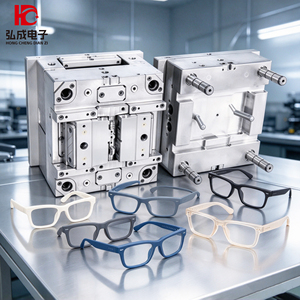
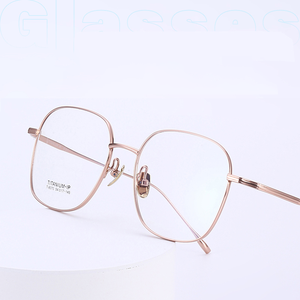
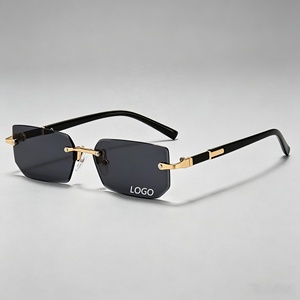
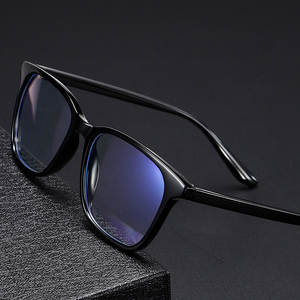
Engineered to strict ISO9001 and CE standards, our factory selections leverage lightweight titanium alloys, high-density cellulose acetates, and precision injection molds for next-generation smart vision optics.
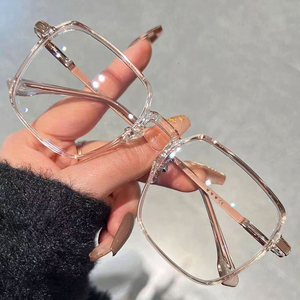

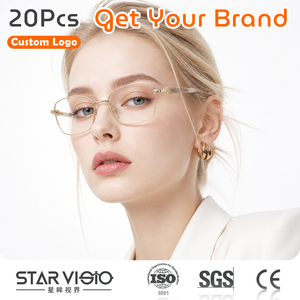
Enterprise Strength
Full Vertical Integration: From Rapid 3D Prototyping to Mass Optical Assembly
Combining time-honored European eyewear design traditions with the unmatched scalability and precision engineering of modern Chinese supply chain ecosystems.
In-House Tooling & Micro-Injection
Equipped with high-speed 5-axis CNC machining centers and precision electrical discharge machining (EDM), enabling ultra-tight mold tolerances (±0.005mm) for TR90, Ultem, and smart glasses structural housings.
Confidentiality & IP Safeguarding
Comprehensive Non-Disclosure Agreements (NDAs), isolated prototyping environments, and secure digital design repositories ensure our international buyers' patented hinge systems and silhouette designs stay secure.
Rapid Iteration & Agile Sampling
Accelerate your time-to-market. Industrial 3D SLA modeling within 48 hours, fully functional metal/acetate samples within 14 business days, and continuous mold flow simulation to eliminate injection defects.
Multilateral Regulatory Compliance
Every batch undergo rigorous optical center distortion checks, 72-hour artificial sweat corrosion testing, nickel-release screening, spring hinge endurance tests (25,000 cycles), and full CE/FDA/ISO 12870 certification.
Procurement Intelligence
B2B Optical Procurement Outlook (2025–2030): Technical Benchmarks and Market Transformations
The global eyewear manufacturing landscape is experiencing a paradigm shift driven by smart miniaturization, strict international ESG mandates, and direct-to-consumer (D2C) brand diversification. B2B procurement managers, independent optical chain buyers, and lifestyle brand directors must transition from transactional piece-rate sourcing to value-engineered contract manufacturing.
1. Smart Glasses Convergence and Structural Frame Mold Challenges
As demonstrated in our proprietary precision tooling projects, wearable audio, micro-cameras, and heads-up displays require eyeglass frames to serve as rigid yet featherweight electronics enclosures. Standard TR90 or acetate extrusions cannot accommodate internal wire routings, acoustic cavities, and thermal dissipation channels without specialized multi-cavity injection molds. Modern ODM partners must maintain micron-level mold precision to avoid acoustic leakage and frame warpage under internal lithium battery charging conditions.
2. Material Science Evolution: From Traditional Petrochemicals to Bio-Acetate and Beta-Titanium
Regulatory frameworks such as the EU Corporate Sustainability Due Diligence Directive are altering raw material selection. Tier-1 buyers are demanding M49 bio-based cellulose acetate (free of phthalate plasticizers) and certified recycled ocean plastics. In metal segments, medical-grade Japanese beta-titanium and high-elastic memory metals are preferred over standard nickel silver, delivering hyper-flexible bridges, corrosion resistance, and total hypoallergenic skin compatibility.
3. Supply Chain Comparison: ODM Custom Development vs. Open-Mold Wholesaling
| Procurement Metric | Standard Open-Mold Wholesale | Dedicated ODM Engineering (Our Model) |
|---|---|---|
| IP & Design Exclusivity | Zero. Multiple brands share the same silhouette. | 100% Exclusive mold ownership & registered utility patents. |
| Hinge & Core Wire Durability | Standard single-barrel friction pins (prone to loosening). | Custom multi-tooth teflon-coated, integrated spring systems (25k cycles). |
| Weight Optimization | Heavy (25g - 40g average finished frame). | Ultra-light structural profiling (sub-12g pure titanium & micro-injection). |
| Regulatory Documentation | Generic self-declarations, intermittent lab test records. | Batch-specific FDA registration, CE DoC, REACH, RoHS, & ISO 12870 data sheets. |
| Tooling Lead Time | Immediate stock, zero customization. | Rapid CNC tooling (18-25 days) with complete DFM feedback loops. |
4. Reshoring vs. Dual-Hub Manufacturing Strategy
While European design heritage (such as the historic Cadore craftsmanship) remains the benchmark for aesthetic prestige and ultra-luxury niche branding, mass-scale premium retail chains require the agile supply networks of South China. By maintaining dual-hub design disciplines—infusing Italian ergonomic balance and contouring with advanced Chinese mold manufacturing—buyers achieve competitive unit economics, flexible Minimum Order Quantities (MOQs), and swift turnaround cycles.
Buyer Due Diligence
Frequently Asked Questions for Eyewear Importers & Distributors
Detailed answers addressing tooling costs, minimum orders, material integrity, and international logistics.
What are your standard Minimum Order Quantities (MOQ) for custom OEM and ODM orders?
For custom ODM acetate collections requiring dedicated sheet cutting, our typical MOQ starts at 300 to 500 pieces per model, distributed across 2-3 custom color variations. For pure titanium and intricate multi-piece metal frames, MOQs are generally 300 pieces. For precision injection molded frames (TR90, PC, or Smart Glasses housings) utilizing existing tooling, MOQs begin at 600 pieces. Full custom injection mold fabrication involves custom tooling amortizations with scalable mass volume tiers starting at 1,200 to 3,000 units.
How do you protect international clients' intellectual property and custom designs?
Confidentiality is fundamental to our enterprise ethos. Before technical CAD files or initial design sketches are shared, we execute enforceable bilingual Non-Disclosure Agreements (NDAs). Custom injection molds and proprietary frame tooling are tagged with distinct asset ownership IDs belonging exclusively to the client. We do not display custom private label styles in open showrooms, nor do we redistribute overrun items to third-party marketplaces.
What quality inspection protocols are performed before bulk shipment dispatch?
Our quality control process follows ISO 2859-1 (AQL Level II Major 1.5, Minor 2.5) standards across four mandatory checkpoints: Incoming Raw Material Inspection (cellulose acetate humidity testing, titanium purity assay), In-Process Quality Control (bridge alignment, hinge tightness, bevel depth tolerances), Surface Finishing QC (plating thickness verification, cross-hatch paint adhesion tests, artificial sweat corrosion immersion), and Pre-Shipment Inspection (prescriptive lens fit test, temple tension symmetry, UV400 and blue-light spectral transmittance audits).
Can your manufacturing plant handle smart eyewear and 3C hybrid plastic/metal housing?
Yes. As detailed in our product portfolio, we engineer precision injection molds specifically calibrated for smart audio frames, camera integration, and wearable sensors. This includes insert molding, secondary CNC machining of acoustic chambers, ultrasonic welding preparation, and micro-tolerance battery cavity routing, adhering to both consumer electronic and optical ergonomics standards.
What international export compliance certifications do you provide?
We supply complete technical dossiers necessary for customs clearance and medical device compliance worldwide. This includes EU CE Declarations of Conformity under MDR (EU) 2017/745 for Class I ophthalmic optics, US FDA Device Establishment Registration and Drop Ball impact certifications, REACH Regulation (EC) No 1907/2006 compliance for nickel release and lead limits, and ISO 12870 standard test reports.
What is the typical lead time for prototype development and mass manufacturing?
Upon receipt of your 2D engineering blueprints or 3D CAD files (.STP, .IGS), 3D visual mockups are finalized within 48 to 72 hours. Hand-made physical samples or rapid CNC prototypes require 14 to 20 days. New injection mold construction takes 25 to 35 days. Mass manufacturing cycles typically range between 45 and 60 days post-sample sign-off, contingent on material availability (custom Italian acetate batches may require extended curing lead times).
Scale Your Brand With a Reliable ODM/OEM Partner
Connect directly with our engineering and project management team to discuss material selections, mold configurations, private labeling options, and competitive FOB/DDP quotes.