Industry Whitepaper Context: Technical Compliance in Precision Optical Frame Manufacturing
In modern ophthalmic dispensing, an optical frame is fundamentally classified as a Class I Medical Device across the European Single Market under Regulation (EU) 2017/745 (MDR), while complying with rigorous biomechanical criteria codified in EN ISO 12870. Sourcing executives and product directors are confronted with increasing regulatory rigor: heavy metal leaching thresholds (REACH Annex XVII for nickel release below 0.5 µg/cm²/week), biocompatibility testing for prolonged epidermal contact (ISO 10993), bridge endurance tests undergoing 500 cycles without structural fatigue, and optical dimensional tolerances held within ±0.01mm.
Partnering with an audited OEM optical frame factory bridgehead guarantees documented traceability from raw cellulose acetate granules and surgical-grade memory metals to final micro-assembly. The following matrix reflects our integrated manufacturing line, combining Italian heritage craftsmanship with industrial high-throughput steel injection molding, CAD-driven 5-axis CNC machining, and comprehensive physical-chemical quality assurances.
Audited OEM Optical Collections & Mold Tooling
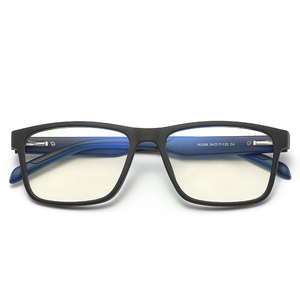
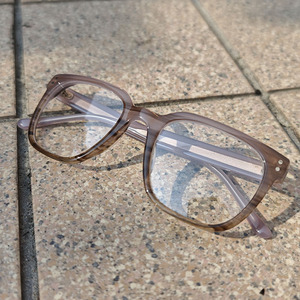
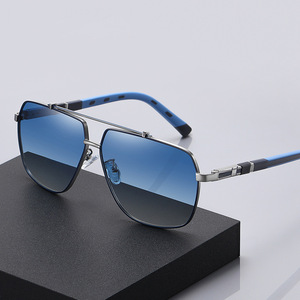
Explore our high-precision optical architectures engineered for prescription glazing, private-label optical chains, and ergonomic daily vision correction.
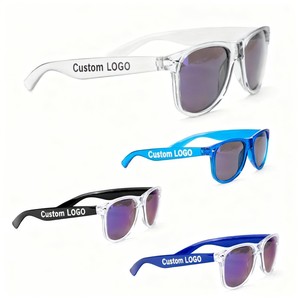
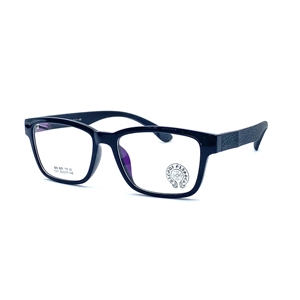
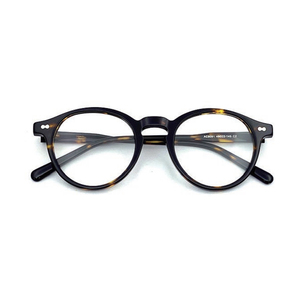
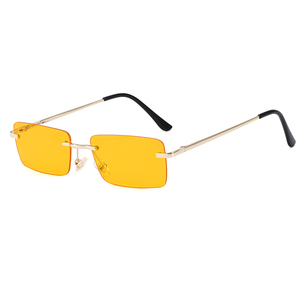


Cadore DNA & Global Compliance
Vertical Factory Integration: Total Intellectual Control From Sketch to Batch Shipment
Founded in 1950 in Lozzo di Cadore (Belluno), the cradle of Italian optical craftsmanship, our operations unify CAD/CAM product engineering, precision steel tooling, injection molding, CNC milling, and multi-stage barrel polishing under one roof. Unlike multi-tiered brokers, we enforce stringent quality checkpoints eliminating assembly variances.
- Strict IP & Design Discretion: Strict NDA protocols protecting bespoke proprietary blueprints.
- MDR & ISO 12870 Testing: Internal stress labs verifying tensile strength, bridge endurance, and sweat resistance.
- Material Versatility: Direct batch production across Block Acetate, Beta-Titanium, TR90 memory polymers, and Stainless Steel.
Future Procurement Trends: 2026–2030 Optical Strategic Outlook
Macro-economic shifts, environmental mandates, and omnichannel supply chain pressures are fundamentally changing how global eyewear purchasers build private label lines.
1. Bio-Based Circularity & ESG Traceability
Procurement mandates are moving away from traditional petrochemical polymers toward certified bio-based cellulose acetate (plasticized with triethyl citrate derived from renewable resources) and recycled marine polyamides. Major European and North American retail groups now require supply chain life-cycle assessments (LCA) verifying carbon reduction.
Bio-Acetate
FSC-Certified Pulp
REACH Phthalate-Free
2. Hybrid Modular & Smart Frame Preparedness
With visual displays, acoustic waveguides, and blue-light filtration increasingly embedded into prescription frames, optical tooling requires sub-millimeter cavity engineering. Modern OEM factories must accommodate internal wire-cores, hinge-cavity batteries, and interchangeable magnetic clip systems without sacrificing structural aesthetics.
Audio-Ready Temples
Micro-Injection Tol.
Titanium Hinge Wire
3. De-Risked Tier-1 Sourcing & Near-shoring
Geopolitical tariff volatility has prompted procurement managers to favor hybrid manufacturing setups. By maintaining unified Italian design, mold-engineering, and conformity oversight while scaling execution via high-efficiency industrial plants, enterprise optical chains stabilize pricing while insulating their inventory pipelines against logistical delays.
Agile Lead Times
Consolidated Freight
Direct CE Documentation
Ophthalmic Engineering: Material Properties & Manufacturing Criteria
A technical baseline comparing mechanical performance, weight ratios, and assembly characteristics across standard optical manufacturing substrates.
| Material Substrate | Specific Gravity | Flexural Elasticity | Thermal Formability | Typical Prescription Application |
|---|---|---|---|---|
| High-Density Cellulose Acetate | 1.28 – 1.32 g/cm³ | Medium-High (Cold flow properties) | Exceptional (Adjustable at 60°C–70°C) | Luxury designer optical, rich tortoiseshells, multi-laminate bevels. |
| TR90 (Swiss EMS Grilamid Polyamide) | 1.02 – 1.14 g/cm³ | Ultra-High (Shape memory retention) | Low (Retains molded memory) | Athletic vision frames, kids' optical collections, ultra-lightweight readers. |
| Beta-Titanium / Surgical Stainless Steel | 4.50 / 7.90 g/cm³ | Very High (Superior fatigue limit) | Cold work compliant via pliering | Minimalist rimless silhouettes, architectural filigree, anti-allergenic wear. |
| Propionate / CP Injection Polymer | 1.18 – 1.22 g/cm³ | Moderate (High mold-fill fluidity) | Moderate (Heat required for glazing) | High-volume commercial prescription retail collections, wrapped frames. |
Frequently Asked Questions: Global Optical Frame Sourcing
Direct architectural and logistical answers addressing regulatory clearance, minimum run requirements, and mold ownership.
What CE testing documentation is mandatory for importing optical frames into the European Union?
Optical prescription frames fall under the Medical Device Regulation (EU) 2017/745 (MDR) as Class I devices. Importers must hold a manufacturer Declaration of Conformity (DoC), technical files documenting EN ISO 12870 testing compliance (covering dimensional stability, bridge deformation, optical radiation resistance, and sweat immersion), alongside ISO 10993 cytotoxicity validation and REACH Annex XVII nickel release certification (testing below 0.5 µg/cm²/week for skin-contact components).
How are custom injection molds and custom tooling amortized and safeguarded?
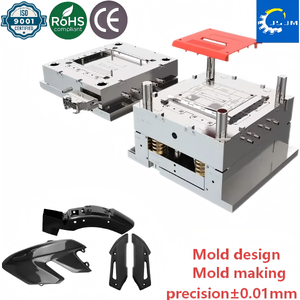
All bespoke steel injection tooling (such as our high-precision hardened steel molds with 0.01mm tolerances) remains 100% the intellectual and commercial property of the client. Tooling costs are either paid upfront or amortized over agreed-upon multi-batch volume contracts. Every unique CAD contour, logo core-pin, and hinge-pocket configuration is secured under exclusive non-disclosure and non-circumvention agreements.
What are standard Minimum Order Quantities (MOQs) for bespoke OEM optical collections?
Production MOQs vary by material category. For custom CNC-milled cellulose acetate lines, standard production typically commences at 300 to 500 units per model (split across 2 to 3 colorways). For custom TR90 or precision injection tooling, run minimums are typically 1,200 pieces per mold configuration to justify machine balance, cycle calibrating, and robotic sprue processing. Low-volume pre-production sampling runs are executed during prototype sign-off phases.
How does the factory maintain lens groove tolerance to ensure seamless optical glazing?
Lens bevel channel integrity (the 110° to 120° V-groove depth) is machined using computer-calibrated carbide cutters or high-precision mold inserts held to ±0.02mm. This ensures optical labs worldwide can trace the demo lens via standard digital edgers (such as Essilor, Nidek, or Briot systems) and mount glass, CR-39, polycarbonate, or high-index lenses without frame buckling or lens slippage under thermal swings.
Can we request customized surface treatments, PVD vacuum plating, or anti-fog coatings?
Yes. Our secondary finishing facility incorporates Physical Vapor Deposition (PVD) titanium plating for luxury gold, palladium, and gunmetal aesthetics; multilayer ceramic clear-coats for scratch-resistance; manual water-tumbling polishing stages for hand-feel softness; and electrostatic spray coating for soft-touch matte TR90 finishes.
Direct OEM Partner Integration
Ready to Scale Your Optical Frame Portfolio with Certified Quality?
Connect with our Cadore engineering office and production planning team. Review comprehensive technical drawings, receive verified resin certifications, and access our full 2026–2027 design catalog.