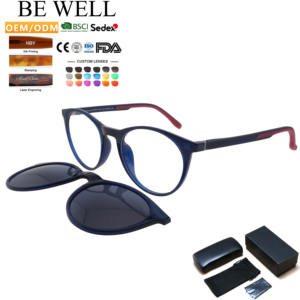
Curated Frame Portfolio
Engineered Optical & Sunglasses Collections Ready for Import
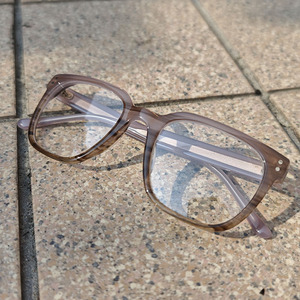
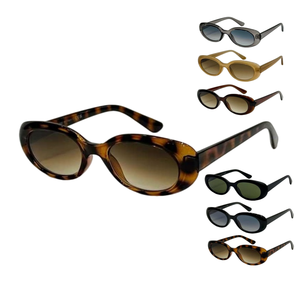
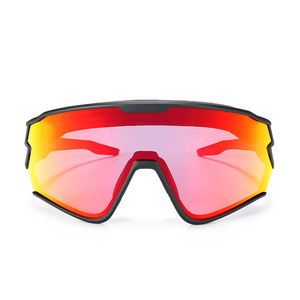
Explore our performance-tested metal, pure titanium, lightweight acetate, and hybrid frames optimized for Latin American climatic endurance and consumer styling demands.
Market Intelligence
Mercosul Import Dynamics
Navigating the Brazilian Eyewear Landscape: Precision Manufacturing Meets Commercial Rigor
The Brazilian eyewear industry represents one of the most vibrant, fast-growing optical markets across the Americas. Expanding past USD $4.5 billion in retail valuation, metropolitan clusters spanning Greater São Paulo, Rio de Janeiro, Belo Horizonte, Curitiba, and the rapidly growing Northeast retail hubs demand optical frames that harmonize cosmopolitan aesthetic refinement with robust physical durability.
For Brazilian eyewear importers, regional optical chains (such as independent franchisees and retail cooperatives), and private label brand owners, sourcing metal frames is not merely an exercise in catalog picking. It is an engineering calculus. Brazil's equatorial and tropical climate zones expose eyewear to elevated ambient humidity, intense ultraviolet radiation, and high coastal atmospheric salinity. Importers who source substandard metal alloy frames often encounter rapid galvanic oxidation, green copper leaching, hinge seizure, and premature plating delamination within three to six months of consumer wear.
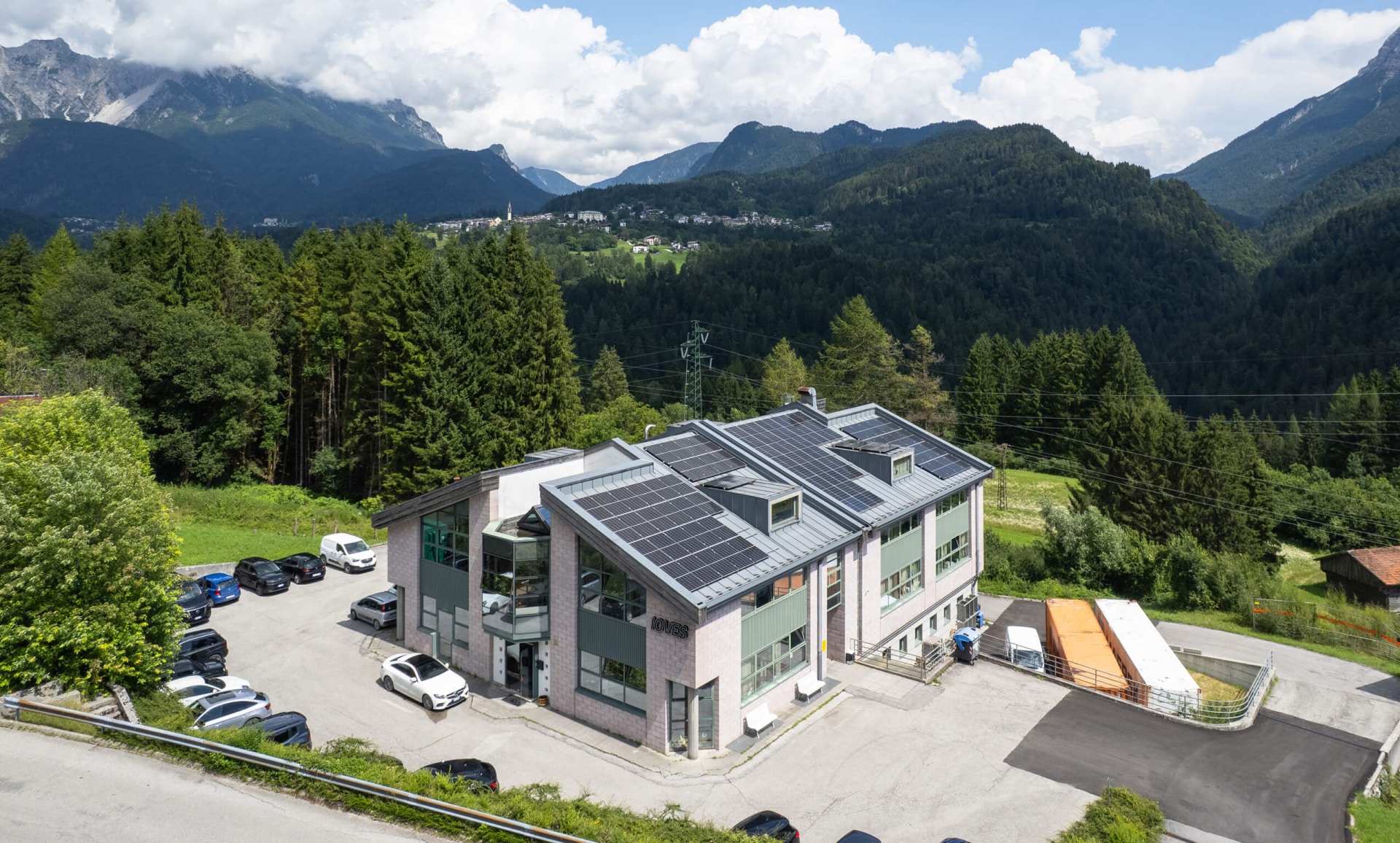
As a seasoned manufacturing partner with industrial roots tracing back to 1950 in Lozzo di Cadore—the cradle of global optical artisanship—we provide Brazilian eyewear distributors with an integrated industrial OEM/ODM framework. From surgical-grade stainless steel to hypoallergenic pure titanium and beta-titanium architectures, our production ensures regulatory compliance with INMETRO standards, verified ABNT NBR ISO 12870 mechanical tolerances, and unmatched galvanic resistance against tropical wear.
Geographic & Lifestyle Ergonomics
Engineered for Brazilian Microclimates and Consumer Wear Scenarios
From corporate boardrooms in Avenida Paulista to the high-salinity beachfronts of Copacabana and Recife, our frames are structurally adapted for Brazilian realities.
Coastal Saline & High-Humidity Resilience
Brazilian coastal metropolises—including Rio de Janeiro, Salvador, Fortaleza, Santos, and Florianópolis—subject eyewear to persistent airborne salt fog and intense perspiration. Standard electroplated nickel-alloy frames corrode quickly under these conditions.
Our factory applies multi-layer PVD (Physical Vapor Deposition) and vacuum ion plating combined with an electrolytic clear cataphoretic lacquer. This shields the core metal from electrolytic pitting, ensuring over 72 hours of uninterrupted salt spray testing under ASTM B117 protocols without surface degradation.
- Zero green verdigris residue around nose-pad brackets
- Corrosion-proof German OBE & Comotec compatible screws
- Surgical Stainless Steel (AISI 316L) rim wires
Craniofacial Diversity & Anthropometric Fit
Brazil possesses one of the world's most ethnically diverse populations, manifesting wide variations in splay angle, bridge breadth, temple distance, and frontal cheekbone height. Universal one-size fits frequently slide or pinch.
We engineer our metal optical collections with three-dimensional adjustable bridge systems and modular medical-grade silicone air-cushion pad arms. Temples are constructed with progressive flex zoning, enabling Brazilian dispensing opticians to customize pantoscopic tilt and vertex distance swiftly at the dispensing bench.
- Extended 140mm-150mm temple configurations
- Step-down Beta-Titanium memory alloy temples
- Anti-allergenic nickel-free bridge assemblies
Urban Executive & Contemporary Athleisure
In financial epicenters like São Paulo (Faria Lima / Berrini) and Curitiba, consumer purchasing leans decisively toward minimalist, lightweight metallic aesthetics that transition effortlessly from business negotiations to weekend outdoor venues.
We provide dual-purpose clip-on systems, ultra-thin sheet titanium geometries, and semi-rimless nylon-grooved constructions that merge executive sophistication with UV400 / blue-light shielding functionality, answering Brazil's surging demand for high-utility optical pieces.
- Rimless and sub-2.0mm ultra-thin metal eyewires
- Neodymium magnetic sun-clip integration
- Satin ruthenium, champagne gold & matte gunmetal finishes
Manufacturing Depth
ISO 9001:2015
Micro-Engineering Metallurgy: From Precision CNC Tooling to Hand-Polished Refinement
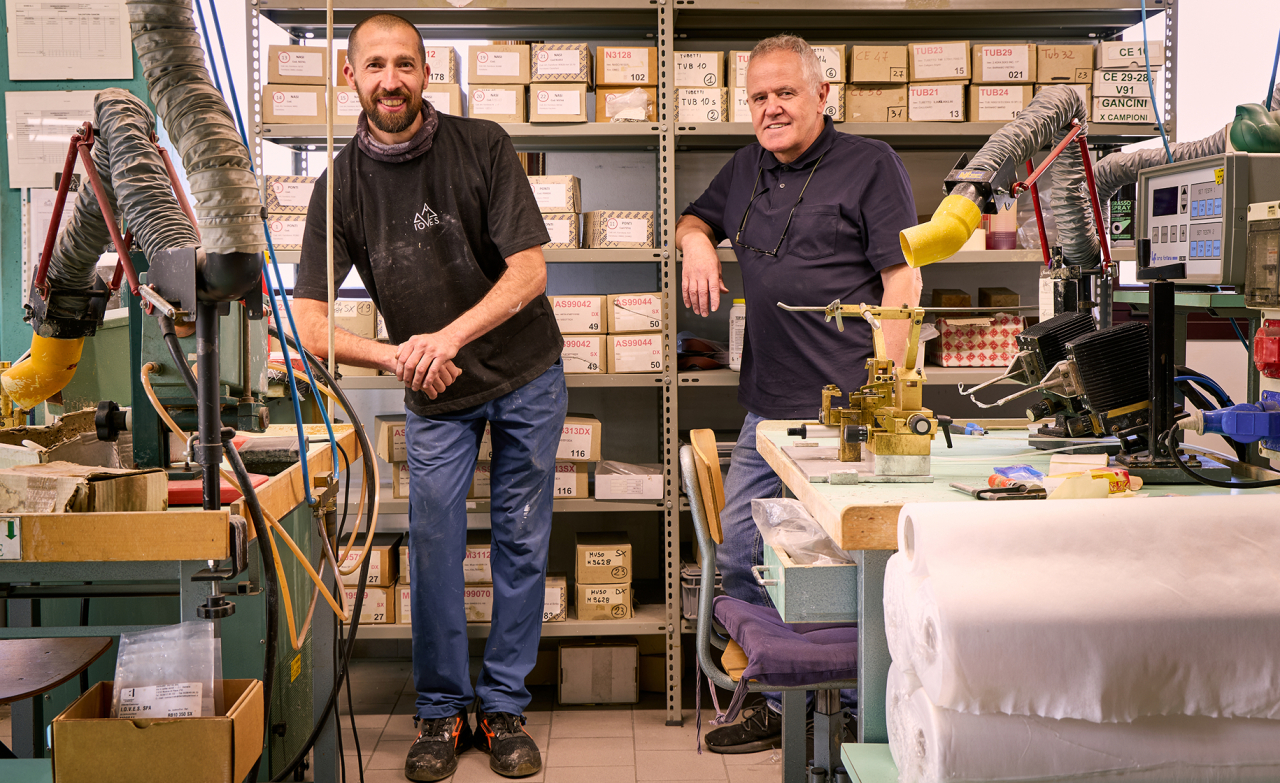
Every metal frame manufactured in our facilities undergoes rigorous mechanical calibration before shipment to Latin America. Utilizing five-axis CNC micro-milling and automated high-frequency induction brazing, our bridge welds achieve a tensile bond strength exceeding 450 MPa—substantially higher than international optical baseline requirements.
We eliminate common failure points: weak solder points around endpieces, stripped hinge threads, and uneven temple tension. By utilizing beryllium-copper reinforcement inserts and CNC-machined monoblock hinge components, our frames retain silky friction actuation over 25,000 cyclical open-close movements.
Prior to export packaging, frame batches undergo synthetic sweat immersion testing (pH 4.7 acidic sweat solution formulation at 40°C for 48 hours) to verify that surface coatings remain unblemished, guaranteeing zero dermal reactivity for Brazilian end-users.
Macro Economic Horizons
Strategic Eyewear Trends Shaping Brazil (2025–2030)
Anticipating consumer preferences and supply chain restructurings empowers brand buyers to build higher margin inventory portfolios.
Direct-from-Factory Private Labeling
Due to Brazil's intricate tax framework (ICMS, IPI, and PIS/COFINS), retail optical chains are shifting away from intermediate brand licensors to create their own proprietary house brands. Sourcing directly from an established OEM allows optical chains to command gross retail margins of 65% to 80% while retaining full control over assortment uniqueness.
Surging Pure Titanium Adoption
Once reserved exclusively for top-tier European luxury lines, Pure Titanium (JIS Grade 2) and Beta-Titanium alloys have achieved breakout mainstream traction among Brazilian consumers. Their hyper-lightweight mass (under 12 grams), biocompatibility, and immune response to sweat oxidation make titanium the fastest growing frame segment in Latin America.
Polygonal & Retro Geometric Forms
Brazilian fashion consumers exhibit high aesthetic audacity. Classic ovals and dull rectangles have yielded substantial market share to thin-rim octagonal, hexagonal, and modified aviator crown-panto silhouettes. Our CNC-bending technology permits intricate geometric facets without sacrificing lens-groove stability during bevel mounting.
Modular Clip-On Versatility
With sunlight levels ranking among the highest globally, Brazilian spectacle wearers frequently find dedicated prescription sunglasses cost-prohibitive. Integrated metal frames featuring precision magnetic clip-ons (FL-41 therapeutic migraine filters, polarized TAC, or photochromic lenses) solve this dilemma elegantly, driving double-digit SKU sales increases.
Why Partner With Our Factory
Industrial Authority Grounded in 75+ Years of Eyewear Manufacturing
Combining historic Italian engineering excellence with modern high-capacity automation to deliver unparalleled manufacturing reliability.
Complete Vertical Integration
From conceptual CAD technical rendering, tooling fabrication, stamping, CNC profile cutting, and multi-stage barrel tumbling to micro-laser spot welding and final electro-galvanic surface treatment, every production stage is executed within our integrated facility. This eliminates subcontractor delays and enforces absolute batch-to-batch consistency.
Total IP Confidentiality & NDA Discretion
We view proprietary client tooling and custom geometry files as sacred assets. Our factory enforces rigorous Non-Disclosure Agreements (NDAs), ensuring that bespoke designs developed for our partner brands are never cross-sold, duplicated, or showcased in open trade directories without explicit client authorization.
Rigorous Documentation for Import Clearing
Brazilian customs (Receita Federal) enforces meticulous regulatory scrutiny. We provide comprehensive technical compliance dossiers including Declarations of Conformity under ABNT NBR ISO 12870, chemical nickel-release verification (EN 1811), and itemized Commercial Invoices matching exact NCM codes to ensure frictionless passage through SISCOMEX.
Procurement Guide & Compliance
Frequently Asked Questions for Brazilian Eyewear Buyers
Clear answers addressing customs protocols, minimum orders, metallurgical testing, and logistic workflows for successful importation into Brazil.
What are the correct NCM classification codes and customs duty considerations for metal eyewear imported into Brazil?
Metal optical frames entering Brazil are classified under Mercosul NCM code 9003.11.00 (frames of plastics) or 9003.19.00 (frames of other materials, specifically encompassing metal and titanium alloys). Sunglasses are categorized under NCM 9004.10.00.
Import duties typically include the Imposto de Importação (II, typically around 15% to 18%), IPI (Tax on Industrialized Products), PIS/COFINS, and the regional ICMS state tax. Our export documentation team works directly with your despachante aduaneiro (customs broker) to supply complete Packing Lists, Commercial Invoices with matching NCM descriptions, and Certificates of Origin to streamline fiscal valuation and prevent red-channel inspection hold-ups.
How does your factory ensure compliance with Brazilian INMETRO and ABNT standards?
In Brazil, optical frames must adhere to ABNT NBR ISO 12870 (Ophthalmic Optics - Spectacle Frames - General Requirements and Test Methods). This technical regulation mandates non-toxicity, physiological compatibility, dimensional stability at elevated temperatures, mechanical endurance of hinge mechanisms, and resistance to artificial perspiration.
Our quality control laboratory conducts pre-shipment tests matching these criteria point-for-point. We verify that all metal contact surfaces comply with European EN 1811 / REACH limits for nickel release (less than 0.5 μg/cm²/week), safeguarding your business against commercial recalls and consumer dermatitis claims.
What anti-corrosion surface treatments do you offer for coastal markets like Rio de Janeiro, Salvador, and Santos?
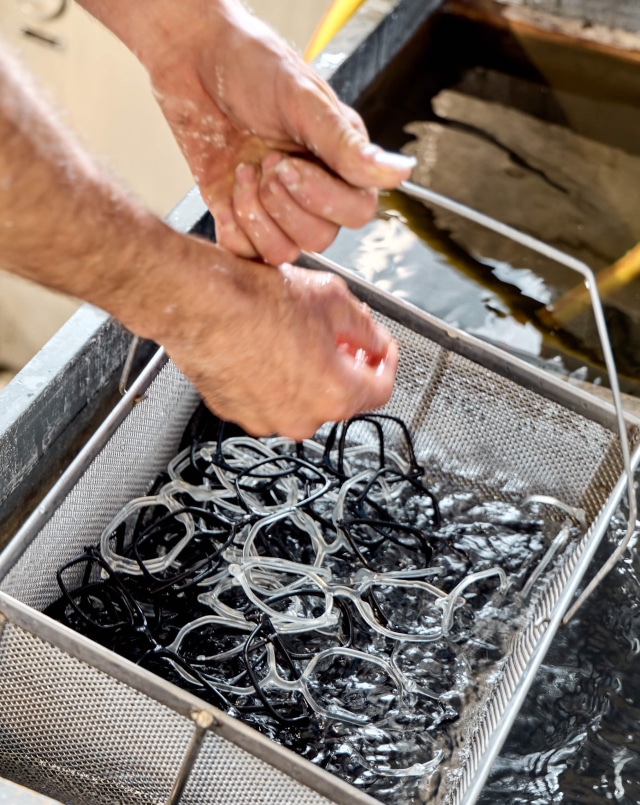
To combat the aggressive combination of coastal marine salinity and tropical human perspiration, we implement a multi-stage electrochemical finishing system. For stainless steel and alloy lines, we apply a copper-nickel undercoat, followed by high-thickness gold, palladium, or ruthenium precious metal plating, capped with a thermoset electrophoretic polyurethane sealing lacquer.
For high-performance titanium collections, we utilize high-vacuum Ion Plating / Physical Vapor Deposition (PVD). This molecular bonding process generates surface hardness exceeding 1500 HV, rendering the finish virtually impervious to salt mist pitting, flaking, or tarnishing even after years of active coastal use.
What are the Minimum Order Quantities (MOQs) and production lead times for private label orders?
For existing tooling within our extensive design library (over 1,000 models developed annually), our baseline MOQ starts at 300 pieces per model, with flexible color distribution (e.g., 100 pieces across 3 colorways such as Rose Gold, Matte Black, and Brushed Gunmetal). This flexibility allows Brazilian optical retailers to test market receptivity without committing excessive working capital.
For entirely bespoke OEM collections requiring dedicated die-cast stamping molds and custom CNC tooling, prototype samples are completed within 25 to 35 business days. Once final technical samples receive your sign-off, mass production lead times generally range from 45 to 60 days, followed by air freight delivery to GRU/GIG (3-5 days) or ocean freight to Santos/Itajaí (28-35 days).
Can you support custom laser branding, temple markings, and Brazilian Portuguese packaging?
Yes. Our private label service offers comprehensive branding capabilities. We provide ultra-precise fiber-laser engraving on the interior and exterior temple arms, pad-printing of frame technical dimensions (e.g., 54□17-142), embossed logos on silicone nose pads, and metal decorative logo inlays embedded into acetate temple tips.
Additionally, we supply custom hard cases, microfiber cloths, barcode-ready packaging, and consumer information booklets printed in Brazilian Portuguese compliant with PROCON (Consumer Protection Code) labeling mandates.
What payment terms and Incoterms are supported for Brazilian corporate accounts?
We routinely accommodate standard international trade Incoterms including FOB, CIF Santos, or EXW. Payment instruments include Telegraphic Transfer (T/T with 30% advance deposit upon order confirmation and 70% balance payable against Bill of Lading verification) as well as Irrevocable Letters of Credit (L/C at sight) for high-volume commercial contracts.
Cadore Craftsmanship Since 1950
Preserving Heritage, Driving Precision Engineering
Originating from the mountain workshops of Lozzo di Cadore, our manufacturing heritage represents three generations of continuous optical innovation. We bridge the gap between classic metalworking traditions—such as hand-finishing, delicate solder filigree, and tactile balance—and state-of-the-art automated optical engineering.
By retaining design, prototyping, metallurgical testing, and final quality assurance under our own management, we offer Brazilian brands an accountable, world-class manufacturing partner capable of scaling seamlessly from boutique capsule editions to nationwide commercial distributions.
Launch or Expand Your Eyewear Line for Brazil
Connect directly with our engineering and procurement specialists. Discuss your regional market requirements, request technical sample kits, or receive a formal OEM quotation tailored to your specifications.
Inquire Now