Blue-Block Ergonomics
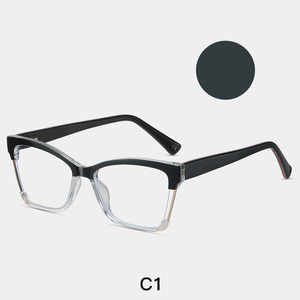
Spring Hinge
Anti-Blue Ray
Myopia Ready
Engineered to exceed European Union Medical Device Regulations (EU MDR 2017/745) and CE EN ISO 12870 standards for the discerning Belgian and Benelux distribution channels.
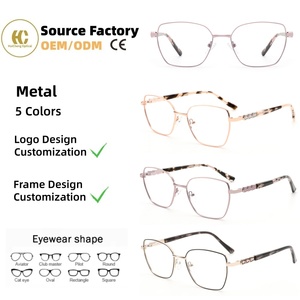
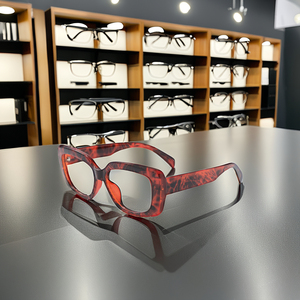
Belgium represents one of Europe's most sophisticated, multi-layered optical eyewear markets. With high purchasing power, rigorous healthcare reimbursement schemes (INAMI/RIZIV), and an avant-garde design legacy anchored by Antwerp's fashion institutions, Belgian consumers demand uncompromising optical precision paired with distinct continental styling.
For independent opticians in Flanders, boutique retail networks across Brussels-Capital, and large retail chains throughout Wallonia, selecting a private-label manufacturing partner is no longer solely about factory gate pricing. The modern Belgian procurement ecosystem necessitates absolute alignment with European Medical Device Regulation (EU MDR 2017/745), full compliance with EU REACH annex XVII (nickel release limits for metal frames), sustainable raw-material traceability, and seamless logistical integration via European freight corridors (Antwerp, Zeebrugge, Brussels Zaventem, and Liege Airport).
To establish a resilient eyewear brand within Belgium, distributors and brand owners must partner with manufacturers capable of bridging architectural prototyping, high-density cellulose acetate curing, aerospace-grade titanium cold-molding, and high-precision injection tooling. Below is the authoritative industry analysis of the top manufacturing and export paradigms servicing the Belgian eyewear landscape.
An objective benchmark assessing structural engineering, compliance maturity, minimum order flexibilities, and regional supply-chain resilience for Benelux market entry.
Three generations of vertically integrated manufacturing within the historic Cadore eyewear district. Complete in-house lifecycle from parametric design, CNC acetate milling, multi-axis metal wire core stamping, to triple barrel hand-tumbling and laser-guided QC.
Renowned for bespoke horn and biological acetate polishing. Suited for ultra-premium Walloon and Brussels opticians seeking limited collections of 100-300 units with high retail markups.
Pioneers in screwless cylindrical hinges and laser-sintered sheet titanium. High acceptance among Flemish opticians seeking minimalist, ultra-durable executive frames.
The gold standard in beta-titanium cold pressing and delicate ion plating. Favored by high-end Belgian independent optometrists focusing on the luxury mature segment.
Large-scale manufacturing hubs optimized for mass market pharmacy reading glasses and entry-level promotional sunglasses. Suited for discount retail chains across Benelux.
Well-equipped CNC factories capable of processing extruded Italian and domestic acetate. Broadly utilized by European direct-to-consumer (D2C) brands with remote logistics.
Specialists in high-tensile TR90 memory polymers, co-injected rubberized grips, and polarized wrap-around performance sports eyewear for Belgian cycling and outdoor demographics.
Trading conglomerates combining mainland component fabrication with Hong Kong based quality audits, European banking, and consolidated air cargo via Liege.
Emerging boutique makers focusing on circular economy models, utilizing recycled ocean plastic blends and bio-based acetates to attract eco-conscious Flemish urban centers.
Design studios that handle conceptual 3D styling in Scandinavia while contracting manufacturing globally. Highly attuned to modern architectural aesthetic demands in Brussels and Antwerp.
Consumer buying behavior, face-fit geometries, and climate lifestyle demands across Belgium dictate specific optical frame constructions and lens calibrations.
In Flanders, particularly within Antwerp's Fashion District (Modewijk) and cultural hubs in Ghent, consumers lean heavily toward distinctive, bold silhouettes. Deep-beveled 8mm Italian cellulose acetate frames in tortoise, rich havana, and bi-color layered laminations command high premiums. Private labels here require ultra-smooth hand-polished bevels, sculpted keyhole bridges, and custom custom-engraved internal wire cores that celebrate craftsmanship.
Servicing EU institutions, multinational corporate HQs, and diplomatic staff demands unobtrusive, hyper-comfortable eyewear engineered for 14-hour working days under LED lighting. The winning product profile combines pure Beta-Titanium rimless or semi-rimless frames, fitted with blue-light filtering CR-39 lenses or prescription progressive optics. Featherlight constructions below 12 grams with hypoallergenic silicone nose pads are paramount.
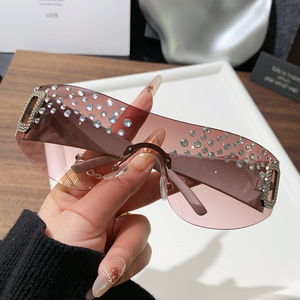
The Belgian coast hosts an affluent seasonal and weekend residential population. Sunglasses collections must balance high glamour—such as oversized square rimless designs adorned with genuine crystal rivets (similar to IOVES Diva lines)—with Category 3 TAC polarized lenses offering UV400 hydrophobic coatings to eliminate glare reflected from the North Sea and coastal yacht marinas.
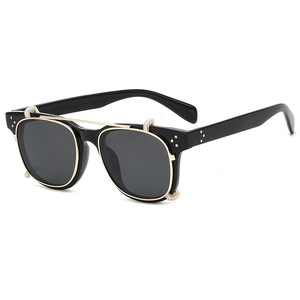
In Liège, Namur, and Charleroi, opticians cater to an active demographic requiring durable, versatile, and accessible frames. Modular optical designs featuring magnetic polarized clip-ons, robust Swiss EMS TR90 memory polymers, and flexible five-barrel stainless steel hinges thrive here, allowing seamless transitions from urban commuting to outdoor trekking in the Ardennes forests.
Major retail chains across Belgium require turnkey OEM collections that fit the standard reimbursement brackets of mutual insurance providers (Mutualité Chrétienne, Solidaris, Partenamut). These programs demand stringent batch consistency, full traceability of medical device labeling (CE mark, UDI barcoding), and pre-adjusted pantoscopic tilt for rapid optometric dispensing.
With massive university populations in Leuven, Louvain-la-Neuve, and Ghent, student and young professional demographics demand accessible, digitally calibrated eyewear. Thin TR90 and injection frames equipped with advanced anti-reflective, blue-light filtering plano lenses address digital eye strain while offering fashionable, retro-modern unisex aesthetics at competitive retail price points.
Anticipating supply-chain mandates, sustainability quotas, and ergonomic material innovations essential for long-term Belgian retail viability.
Since the full enforcement of Regulation (EU) 2017/745, prescription ophthalmic frames entering Belgium are classified as Class I Medical Devices. Belgian Federal Agency for Medicines and Health Products (FAMHP / FAGG) requires non-negotiable Technical Documentation, Unique Device Identification (UDI) laser-etched onto internal temple surfaces, and registered European Authorized Representatives. Sourcing from experienced European manufacturers like IOVES guarantees immediate compliance without customs seizure risk.
Belgian consumers are among the most environmentally vocal in Western Europe. The transition from standard cellulose acetate (which utilizes traditional chemical plasticizers like DEP) toward Bio-Based Acetates utilizing renewable vegetal plasticizers derived from wood pulp and cotton seeds is accelerating. Leading manufacturers formulate frames that biodegrade under ISO 14855 standards while preserving structural dimensional stability, crystal clarity, and mirror-finish polishing.
Modern aesthetics demand frames that are visually slender yet mechanically unyielding. The technical breakthrough lies in 5-axis CNC high-pressure injection where stainless steel or titanium internal wiring is seamlessly encapsulated within ultra-dense acetate or Grilamid TR90. This architecture allows Belgian dispensing opticians to cold-adjust temple curvatures easily without risking core delamination or thermal blistering during custom customer fittings.
Geopolitical uncertainties, volatile sea container freight tariffs, and extended 180-day lead times from Far Eastern manufacturing hubs have prompted Belgian optical consortiums to diversify toward Cadore and intra-EU manufacturing. With dedicated European road freight reaching Brussels from Northern Italy in under 36 hours, distributors can run lean inventory models, minimizing capital lock-up and reacting dynamically to mid-season trend pivots.
Founded in 1950 in Lozzo di Cadore, Belluno — the historic cradle of Italian eyewear — IOVES combines artisanal Italian savoir-faire with high-throughput industrial infrastructure.
Unlike specialized single-material workshops, IOVES integrates world-class manufacturing across Cellulose Acetate, Precision Metal, and High-Performance Injection. Belgian brands can source their entire multi-tier collection from a single accountable production partner.
Balancing custom sampling with volume consistency. Our Cadore facility outputs over 3,000 finished, quality-verified pieces daily, supported by an engineering team that drafts, models, and prototypes more than 1,000 bespoke eyewear silhouettes every year.
Confidentiality is our operational default. Proprietary geometries, 3D CAD schematics, and colorway formulations developed for our Belgian private-label partners are strictly safeguarded under enforceable European intellectual property frameworks.
Every batch leaving Cadore is accompanied by formal Declarations of Conformity, REACH nickel-leach testing reports, and ISO 12870 mechanical fatigue certifications. Your optical shipments flow seamlessly into Antwerp or Brussels without regulatory hindrance.
Essential technical, regulatory, and commercial clarifications for eyewear brand founders, purchasing directors, and category managers.
Under European Union law, optical eyeglass frames intended for prescription lenses are categorized as Class I Medical Devices under Regulation (EU) 2017/745 (EU MDR). To sell legally in Belgium, frames must feature the CE mark, have complete technical documentation on file (including mechanical endurance under ISO 12870, dimensional tolerances, bridge stability, and flammability testing), and maintain Unique Device Identification (UDI) traceability. Furthermore, metal parts contacting human skin must comply with EU REACH Annex XVII limits regarding nickel release rates (≤ 0.5 μg/cm²/week). Sourcing directly from an Italian manufacturer like IOVES ensures turnkey compliance with all European, Belgian Federal (FAGG), and INAMI/RIZIV health service expectations.
Shipments originating from our manufacturing plant in Lozzo di Cadore (Italy) move under intra-community EU trade status. This entirely eliminates import customs clearance delays, EU external tariffs (typically 2.9% to 3.7% for imported third-country frames under TARIC heading 9003), and terminal handling fees at sea terminals like Antwerp Gateway. Road transit from Cadore to Brussels, Antwerp, or Liege typically takes 24 to 48 hours via standard express freight, compared to 35–50 days for ocean transit from Asian ports plus unpredictable customs buffer windows.
Our production structure is engineered to accommodate both agile boutique collections and high-volume national retail programs. For custom acetate optical frames and sunglasses with bespoke color laminations and custom hardware stamping, production MOQs generally start at 300 to 500 units per model, distributed across 2 to 3 tailored colorways. For existing open-mold platforms or high-precision injection frames (TR90 / Grilamid), flexible trial production lots can be negotiated during technical onboarding.
Yes. Belgian and Benelux populations present distinct ergonomic facial dimensions compared to Mediterranean or Asian markets. Belgian cranial morphology typically requires slightly wider temple-to-temple widths (138mm–144mm), higher bridge positions (17mm–20mm keyhole or contour bridges), and extended temple lengths (145mm–150mm). Our internal engineering team adapts your technical 3D CAD files to ensure perfect optical centering and non-slip pantoscopic angles tailored directly to the Benelux demographic.
We provide full access to premium, certified sustainable materials including certified bio-based cellulose acetate (manufactured using renewable plant-derived plasticizers without toxic phthalates), recycled surgical-grade stainless steel, ultra-pure aerospace titanium, and recyclable packaging certified under FSC standards. Full chemical analysis dossiers and certificates of origin can be furnished to substantiate marketing claims for your green collections in Flanders and Wallonia.
From initial design sketches or mood-boards, our Cadore design team generates parametric 3D CAD renderings within 5 to 7 business days. Upon dimensional approval, high-resolution 3D stereolithography prototypes or single-cavity CNC pilot acetate cutouts are milled and hand-finished. These prototypes are dispatched directly to your Belgian office for physical fitting, hinge articulation testing, and optometric evaluation before cutting production tooling.
Whether you represent an established Belgian retail optical chain, an Antwerp fashion house, or a growing independent brand across the Benelux region, our master craftsmen and production engineers in Cadore are standing by to realize your collection.
Get a Quote