Curated Optical & Sunglass Catalog for Ghanaian Distributors
Explore high-performance stainless steel, beta titanium, and premium cellulose acetate eyewear systems designed for optical clinics, wholesale importers, and retail chains across Accra, Kumasi, and Sekondi-Takoradi.
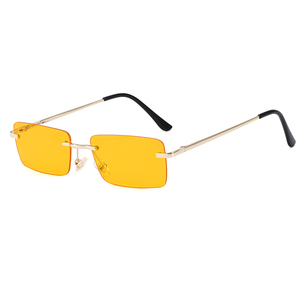
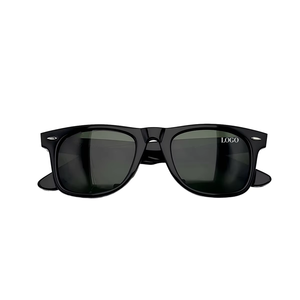


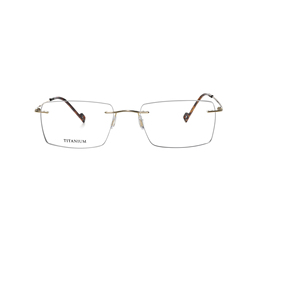
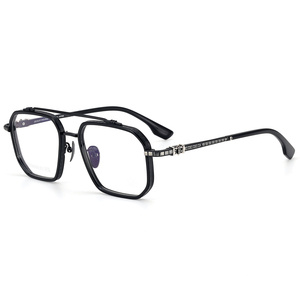
Engineering Stainless Steel Eyewear for West Africa’s Coastal Macro-Climates
Procuring metallic optical frames for tropical West African markets demands strict compliance with mechanical metallurgy. In maritime urban corridors such as Greater Accra, Tema, and Sekondi-Takoradi, atmospheric relative humidity frequently oscillates between 75% and 92%, compounded by ambient airborne marine salinity. Under these environmental stressors, conventional low-tier copper-nickel alloy (monel) or base metals undergo rapid galvanic corrosion, green vert-de-gris oxidation, and early hinge brazing failure.
Our stainless steel eyewear programs utilize medical-grade AISI 304L and austenitic 316L stainless steel alloys. By incorporating an enriched chromium content (16–18%) alongside nickel and molybdenum, these alloys spontaneously form a microscopically dense, self-healing chromium(III) oxide (Cr2O3) passive layer. This barrier prevents pitting and crevice corrosion caused by acidic human perspiration (pH 4.0–6.8) and aggressive sea spray. For Ghanaian optometrists and high-volume optical retailers, offering 316L frames drastically minimizes customer warranty returns, nose-pad arm shear fractures, and skin dermatological reactions.
Localized Application Scenarios Across Ghana’s Optical Sectors
From institutional clinical dispensaries under public and private healthcare schemes to luxury fashion boutiques in cosmopolitan business districts, frame performance requirements vary significantly across Ghana.
Urban Tech & Financial Centers (Accra & Kumasi)
The rapid emergence of tech clusters in Airport City, Ridge, and Osu has fueled massive consumer demand for ultra-lightweight, blue-light-filtering eyewear. Office professionals, banking executives, and remote workers require sleek, low-pressure frames capable of supporting ergonomic 10-hour screen sessions.
- Minimalist rimless and semi-rimless stainless steel profiles
- Spring hinges engineered to maintain temple tension without pinch
- Integrated blue-light blocking and anti-reflective lens compatibility
Coastal Maritime Commerce & Harsh Salt Mist Zones
Tema Harbour, the industrial maritime zone, and Western Region offshore hubs (Takoradi) expose daily eyewear users to extreme humidity and airborne saline particulates. Standard electroplated frames degrade within months; robust physical vapor deposition (PVD) coated stainless steel is a commercial necessity.
- High-adhesion PVD ion-plating resisting salt mist ASTM B117 testing
- Corrosion-proof 316L stainless screws and nylon-sleeved barrel hinges
- Hypoallergenic silicone nose pads preventing fungal-bacterial buildup
Clinical Institutional Supply & Universal Vision Programs
With eye clinics, teaching hospitals (Korle-Bu, Komfo Anokye), and independent optometry practices scaling corrective services, optical providers require indestructible, cost-effective frames that withstand continuous clinical lens glazing, bending, and prescription updating.
- Cold-glazing memory steel alloys for quick prescription fitting
- Standardized eye sizes (50mm–56mm) accommodating broad PD demographics
- Certified compliance with international ophthalmic safety benchmarks
Key Development Trends in Ghana’s Eyewear Trade (2025–2035)
Understanding macro-shifts in West African trade dynamics enables optical distributors to build resilient, profitable supply channels.
AfCFTA & Ghana as West Africa’s Optical Re-Export Gateway
Headquartered in Accra, the African Continental Free Trade Area (AfCFTA) positions Ghanaian wholesale importers as central fulfillment hubs for landlocked and neighboring markets including Burkina Faso, Togo, and Côte d’Ivoire. Importers securing bulk container shipments through Tema Harbour can leverage duty harmonization to supply sub-regional retail chains.
Transition from Low-Tier Plastic to Resilient Metal Metallurgy
Historically, budget optical markets in West Africa were flooded with fragile regrind plastics that warped under tropical sun exposure. Today’s middle-class consumers actively seek ultra-durable, repairable, and lightweight stainless steel and titanium structures that offer extended product lifespans and superior daily comfort.
Premium Private-Labeling for Independent Optical Chains
Prominent eye care centers across Cantonments, East Legon, and Kumasi Ahodwo are shifting away from generic unbranded frames. They are developing bespoke, private-label optical lines featuring laser-etched clinical branding, custom acetate temple tips, and custom-designed packaging to command higher retail margins.
Metallurgical & Performance Comparison for Ghana Importers
A technical side-by-side assessment evaluating frame materials across mechanical strength, climate resilience, and landed commercial feasibility.
| Material Category | Tensile Strength (MPa) | Maritime Saline Resistance | Skin Allergy Potential | Glazing Flexibility | Commercial Value Index |
|---|---|---|---|---|---|
| Austenitic Stainless Steel (316L/304L) | 650 – 880 | Exceptional (Passivated Cr2O3 Film) | Zero (Nickel-Leach Free Compliant) | High Elastic Retention | Optimal Cost-to-Longevity Ratio |
| Beta Titanium (Ti-15V-3Cr-3Sn-3Al) | 900 – 1200 | Total Immunity (Inert Oxide) | 100% Bio-compatible | Ultra-High Cold Flexibility | High-End Luxury Segment |
| Standard Nickel Silver / Monel | 400 – 550 | Poor (Prone to Pitting & Green Vert) | Moderate to High Sensitivity | Rigid (Work-hardens quickly) | Budget / High Return Risk |
| Mazzucchelli Cellulose Acetate | 60 – 110 | Immune to Saline (Hydrophobic) | Hypoallergenic Cotton Origin | Requires Thermal Softening | Premium Aesthetic / High Margin |
Industrial Heritage & Manufacturing Architecture
Rooted in Lozzo di Cadore since 1950, IOVES delivers full vertical integration from prototype engineering to high-volume contract production, bridging artisanal Italian design with global industrial output.
Full In-House Vertical Integration
From computer-aided tool design, wire pressing, precision micro-laser welding to CNC milling and automatic electroplating, our manufacturing happens under one accountable roof. This eliminates subcontractor delays and preserves rigorous European quality standards across every production batch.
Compliance & Traceability Documentation
Every export batch is backed by formal Certificates of Origin, CE Declarations of Conformity, and ISO 9001/ISO 13485 manufacturing documentation. This streamlined technical paperwork ensures rapid verification and effortless clearance through the Ghana Food and Drugs Authority (FDA).
Strict OEM Discretion & IP Protection
We treat proprietary designs, custom molds, and customer brand blueprints with absolute confidentiality. Independent eyewear labels, retail optical groups, and African distribution consortiums maintain 100% intellectual property ownership over their private-label collections.
Frequently Asked Questions for Sourcing Eyewear to Ghana
Clear technical, logistical, and regulatory answers addressing the core concerns of Ghanaian optometrists, wholesale procurement officers, and trading companies.
Our frames are constructed from high-grade austenitic stainless steel (AISI 304L/316L) combined with advanced physical vapor deposition (PVD) ion plating. Unlike conventional electroplated monel, our frames do not peel, tarnish, or release green copper salts upon sustained exposure to perspiration or coastal saline mist, ensuring a long retail lifespan.
Corrective optical frames and lenses are classified as Class I medical devices in Ghana. We furnish complete technical documentation, including ISO 9001 and ISO 13485 certifications, CE Declarations of Conformity according to EU MDR 2017/745, material biocompatibility test reports (EN ISO 12870), and full Certificates of Analysis to streamline domestic clearing.
For bulk volume orders, sea freight from European or specialized distribution ports to Tema Harbour typically takes 22 to 32 days. For rapid clinic replenishment, high-turnover models, or prototype samples, air cargo via Kotoka International Airport (ACC) delivers within 4 to 7 business days, supported by complete airway bills and packing lists.
Yes. We specialize in private-label OEM manufacturing. We offer precision fiber-laser temple branding, pad-printed model numbering, custom-molded silicone nose pads, and fully branded optical hardshell cases, microfiber cloths, and outer boxes tailored to elevate your retail brand identity.
For standard catalog collections in ready stock, our MOQ starts as low as 100 to 300 pieces across assorted models to support growing practices. For fully customized OEM manufacturing runs involving exclusive colorways or tooling, production MOQs typically range from 500 to 1,200 pieces per model.
We support FOB, CIF Tema, and EXW trade terms. Payment structures include telegraphic transfer (T/T) with standard production deposits, as well as confirmed Irrevocable Letters of Credit (L/C at sight) opened through top-tier Ghanaian commercial banking partners for established corporate accounts.
Expand Your Optical Portfolio with a Proven Global Supplier
Whether you are outfitting an expanding retail chain across Accra and Kumasi or establishing a high-margin private-label collection for West Africa, our engineering team in Lozzo di Cadore is ready to assist your procurement strategy.
Contact Us