Featured Optical & Performance Eyewear Collections
Engineered to meet rigorous Nordic optical retail standards, combining lightweight high-density acetate, cold-resistant TR90, and beta-titanium architectures.
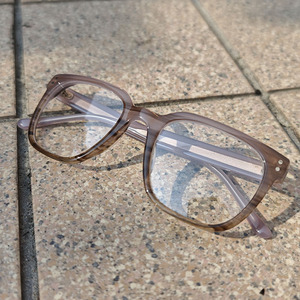
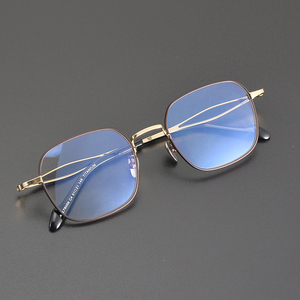

1. The Finnish Optical Ecosystem: Climate Challenges & Material Stress Engineering
Procuring OEM and ODM acetate optical frames for Finland requires addressing specific environmental and demographic demands. Finland's geographic position—spanning latitudes from 60°N to 70°N—subjects ophthalmic eyewear to dramatic environmental swings. Ordinary ophthalmic cellulose acetate formulated for temperate climates frequently undergoes rapid degradation when subjected to the Finnish winter conditions.
Optical retail groups, independent opticians, and private labels operating across Helsinki, Tampere, Turku, and Oulu face distinct return rates if frames are not engineered for Nordic atmospheric dynamics. Our manufacturing facility in Lozzo di Cadore integrates specialized polymer formulations to withstand cold weather:
Cryogenic Brittleness Resistance
During Nordic mid-winters, outdoor temperatures drop to -25°C to -35°C in northern Finland (Lapland) and -15°C across the southern coast. Conventional diethyl phthalate plasticizers crystallize, inducing micro-fractures along hinge pins and rim grooves during lens glazing.
- High-viscosity bio-plasticized polymer chains
- Impact resistance tested at -30°C per ISO 12870
- Cold-snap resistant temple core wire anchoring
Sauna Shock & Thermal Expansion
Finland's cultural sauna routine exposes eyewear to thermal shock—transitioning from +85°C dry heat and 60% relative humidity directly into sub-zero snow plunges or ambient winter air. Unstabilized acetate warps, leading to lens expulsion.
- Double-cured 120-day aged block acetate
- Zero-shrinkage bevel channel milling
- Thermal expansion coefficient: < 0.8×10⁻⁴/K
Kaamos Polar Night & Glare Shielding
The Finnish Kaamos (months-long twilight) creates extreme low-angle glare reflected across snow-covered terrains, mixed with high exposure to high-energy visible (HEV) blue light from extended indoor digital screen usage.
- Deep pantoscopic angle for anti-reflective coatings
- Deep grooving accommodating high-minus indices
- Hybrid clip-on magnet systems with polarized UV400
By maintaining in-house five-axis CNC machining alongside specialized curing kilns, our frames undergo an extended three-stage humidity-temperature cycling process. This stabilizes the molecular configuration of cotton-linters cellulose, preventing frame shrinkage or temple relaxation under harsh Fennoscandian conditions.
2. Technical Performance Matrix: Italian Acetate vs. Conventional Standard Materials
To support Finnish optometric procurement officers and category managers, the comparative performance parameters below highlight our specialized structural metrics:
| Engineering Property | IOVES Cadore Bio-Acetate | Standard Commercial Acetate | TR90 Polyamide / Hybrid | Finnish Compliance Standard |
|---|---|---|---|---|
| Sub-Zero Impact (-30°C) | 12.8 kJ/m² (No shatter) | 4.2 kJ/m² (Micro-cracking) | 18.5 kJ/m² (High flex) | EN ISO 12870:2018 Cold Fragility |
| Plasticizer Technology | Citric Acid Ester (Phthalate-Free) | DEP (Diethyl Phthalate) | N/A (Nylon Resin) | EU REACH Regulation (EC) No 1907/2006 |
| Dimensional Shrinkage (80°C/4h) | < 0.12% | 0.68% - 1.10% | < 0.05% | ISO 11359-2 Thermal Stability |
| Skin Biocompatibility | 100% Cytotoxic Safe | May trigger contact allergy | Hypoallergenic | EN ISO 10993-5 / 10993-10 |
| Hinge Tensile Pull-Out Strength | > 280 N (Embedded 5-barrel) | 160 N - 190 N | 210 N (Ultrasonic Insert) | European Optical Standard Spec |
| Biodegradability Profile | ISO 14855 Compostable > 90% | Non-biodegradable fossil base | Recyclable Thermoplastic | Nordic Swan Ecolabel Compatible |
3. Localized Eyewear Trends Across the Finnish Market (2025–2030)
Finnish eyewear procurement has shifted from generic private labeling to focused industrial requirements. Understanding these dynamics is essential for chains such as Silmäasema, Synsam Finland, and Specsavers Finland, as well as independent design collectives:
Nordic Swan & Bio-Acetate
Finnish consumers place significant value on transparent ecological supply chains. We use natural wood pulp and bio-based plasticizers derived from renewable sources, yielding acetate sheets that achieve over 68% bio-based carbon content.
- Zero petrochem phthalates
- FSC-certified wood derivatives
- REACH & RoHS fully verified
Minimalist Finnish Architecture
Echoing the design traditions of Alvar Aalto, current Finnish optical preferences lean toward understated profiles, functional clean lines, and architectural bevels. Thick statement acetates are machined down to 3.5mm ultra-slim profiles.
- Diamond-tooled facets
- Matte satin hand-finishes
- Subtle translucent earth tones
Nordic Cranial Ergonomics
Northern European anthropometrics demand wider temples, extended bridge fits (18mm–21mm DBL), and moderate pantoscopic tilt angles (6°–8°) that seat comfortably on higher nasal roots without pinching during cold-induced cranial skin sensitivity.
- 145mm–150mm temple lengths
- Contoured saddle nosepads
- Ergonomic mastoid bend profiling
EU MDR 2017/745 Compliance
With the enforcement of the European Medical Device Regulation (EU MDR 2017/745) for Class I spectacle frames, Finnish importers require traceable technical documentation, biocompatibility verifications, and UDI identification protocols.
- Full Technical File (TF) readiness
- UDI-compliant laser engraving
- Standardized Declaration of Conformity
4. Our Manufacturing Advantage: 75 Years of Cadore Craftsmanship
Founded in 1950 in Lozzo di Cadore, the historic heart of the Italian eyewear district, our production facility has engineered optical frames through three generations of family ownership. Combining industrial capacity with meticulous hand-finishing, our plant produces 3,000 finished pieces per day while developing over 1,000 new custom OEM/ODM models each year.
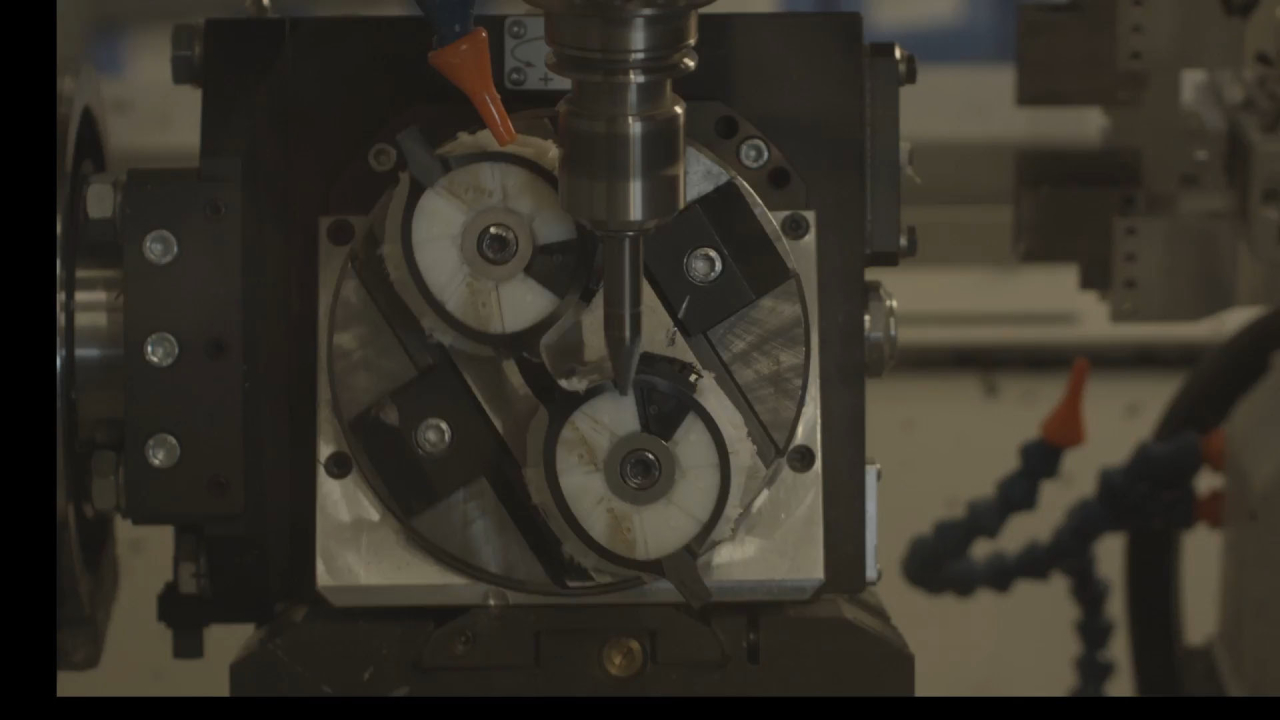
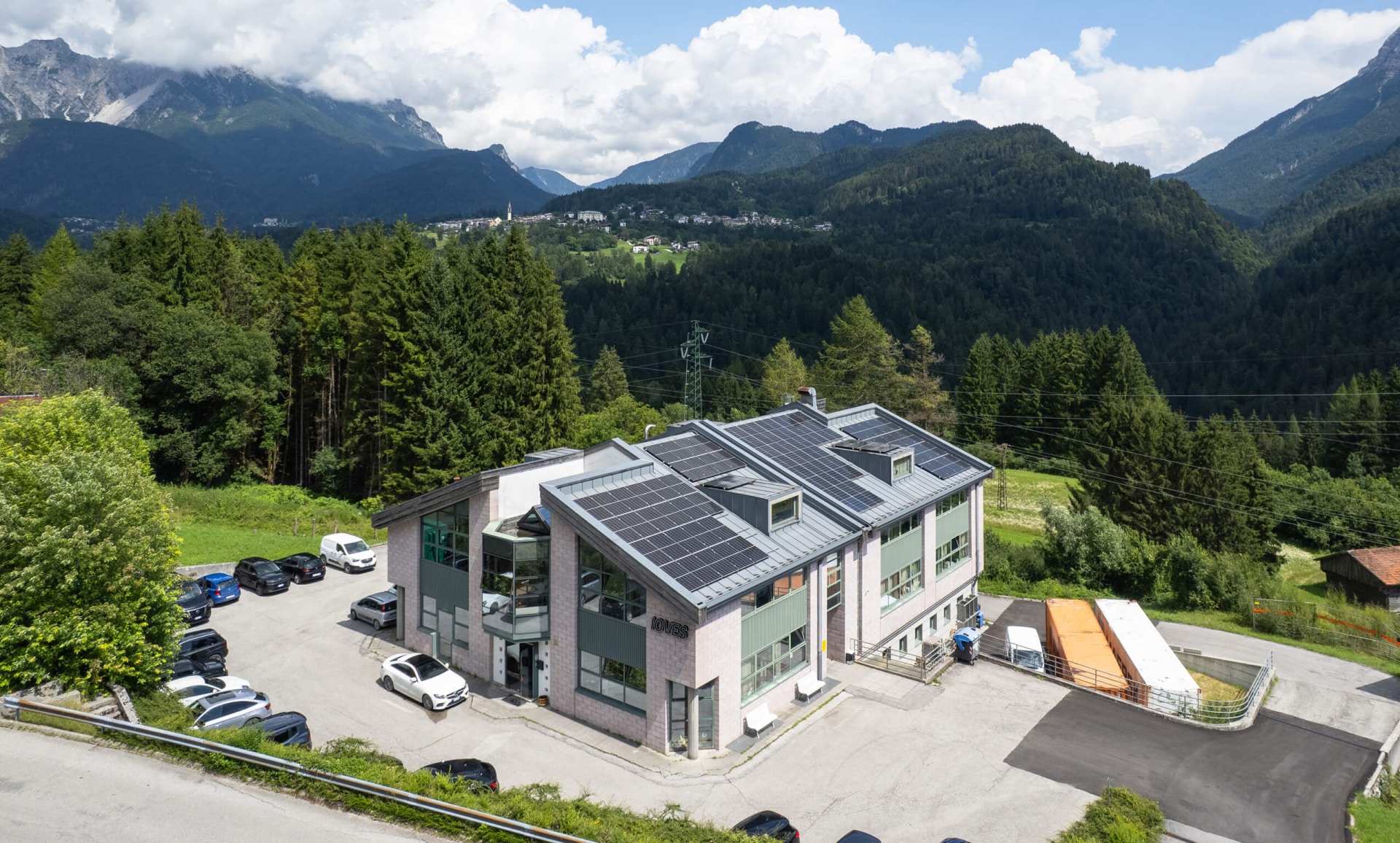
Unlike trading intermediaries or split-contract workshops, our facility maintains total vertical integration under one roof. For Finnish optical retailers and private brand managers, this operational setup provides measurable commercial advantages:
Complete CAD/CAM Tooling
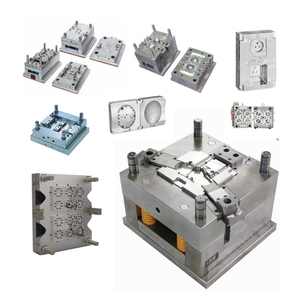
From initial sketch or 3D STEP file, our in-house engineering lab manufactures customized injection molds, CNC milling fixtures, and custom core-wire dies within 14 working days, accelerating prototyping timelines.
Confidentiality Guarantee
All exclusive designs, color laminations, and branding blueprints are protected under strict European NDA frameworks. Your private label intellectual property remains completely protected throughout production.
Intra-EU Trade Convenience
With manufacturing grounded in the EU, shipments to Finland operate under seamless European Single Market rules: zero customs tariffs, no third-country import bottlenecks, standard VAT handling, and 3-5 day transit to Helsinki.
5. Frequently Asked Questions for Finnish Optical Buyers & Importers
Specific operational details addressing logistics, regulatory mandates, and contract terms for Finnish optical groups:
What are the minimum order quantities (MOQ) for custom OEM acetate productions destined for Finland?
For bespoke OEM designs requiring custom 5-axis CNC machining, our standard MOQ is 300 pieces per model, which can be split across up to 3 custom acetate color combinations (100 pieces per colorway). For off-shelf curated catalog private label branding, we support boutique runs starting at 100 pieces total. This flexibility is suited to independent Finnish optician cooperatives testing targeted capsule lines.
How do your acetate frames withstand extreme thermal shock when transitioning between Finnish saunas and winter outdoor conditions?
Our acetate undergoes an extended 120-day curing and stabilization process within controlled-atmosphere drying chambers. This relieves residual structural stresses from the block-lamination stage. In addition, we utilize custom-engineered 5-barrel German hinges pinned securely through internal nickel-silver core wires, maintaining structural integrity across temperature differentials ranging from -35°C to +90°C.
Are all frames fully certified under the EU Medical Device Regulation (MDR 2017/745) Class I for sale in Finland?
Yes. All optical prescription frames manufactured in our facility carry full Class I Medical Device certification under European Regulation (EU) 2017/745. We provide full Technical Documentation, Declaration of Conformity (DoC), ISO 12870 test reports (covering sweat resistance, optical radiation, flammability, and mechanical strength), and UDI-DI identification codes compliant with Finnish Valvira healthcare regulatory surveillance.
Can you accommodate bio-based and sustainable acetate requirements aligned with Finnish eco-labels?
Yes. We maintain active partnerships with primary European acetate suppliers, including Mazzucchelli 1849, utilizing M49 bio-acetate and equivalent certified sustainable cellulose polymers. These materials are 100% biodegradable per ISO 14855 standards, use non-phthalate plasticizers derived from vegetable sources, and directly support optical lines targeting the Nordic Swan Ecolabel and Finnish sustainability-conscious demographics.
What is the end-to-end production timeline from approved 2D/3D technical drawings to delivery in Helsinki?
The standard timeline begins with physical 3D prototyping and color sampling within 10–14 business days. Upon physical prototype sign-off, mass CNC production, tumbled barrel polishing, precision hinge assembly, and five-step quality control require 45–60 days. Dispatch from our Cadore warehouse via expedited intra-EU land/air freight delivers to central Finnish distribution hubs (Helsinki-Vantaa, Espoo, Tampere) within 3–5 working days with zero customs delays.
Do you provide proprietary tooling and protection against model copycats in the Nordic region?
Confidentiality is our standard default practice. When custom injection molds or CNC programs are developed for your brand, they are cataloged under secure, proprietary part numbers. We sign enforceable non-disclosure and exclusivity agreements guaranteeing that your tailored geometric profiles, laminate color combinations, and functional patents will never be offered to competing chains in Finland or Scandinavia.