75+
Years Heritage (Since 1950)
3,000
Frames Daily Capacity
1,000+
New Models Developed / Yr
90+
Export Markets Worldwide
100%
DIN ISO & CE Compliant
Engineered Portfolio
Curated Everyday Optical Frames for German Optician Networks
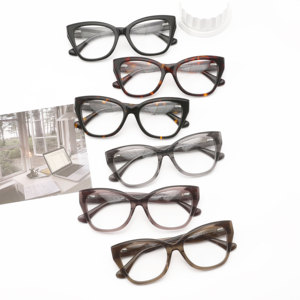
From high-tensile Beta Titanium to high-density Italian acetate and hypoallergenic TR90, discover frame architectures tested for prolonged daily wear, progressive lens integration, and German anatomical cranial profiles.
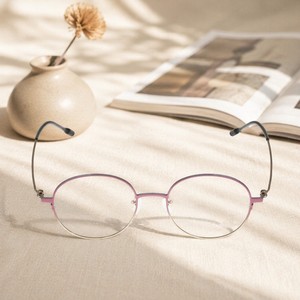
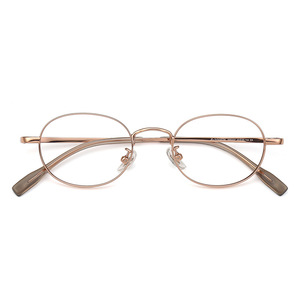
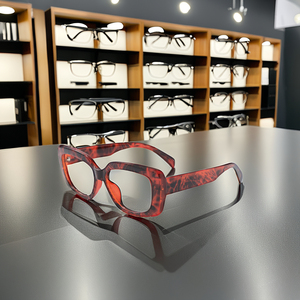
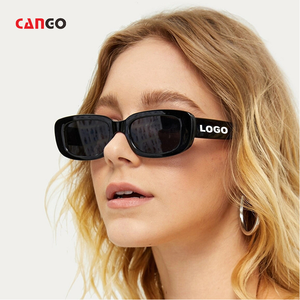
Market Application Dynamics
Everyday Eyewear Scenarios Across the DACH Region
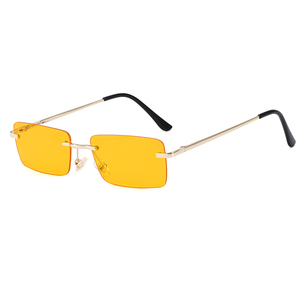
The German consumer demands functional minimalism (Sachlichkeit), structural resilience, and featherweight ergonomics. Optical frames are medical visual devices first, and fashion statements second. Discover how our OEM designs cater to target everyday environments across Munich, Hamburg, Berlin, and Frankfurt.
Digital Workstations & Bildschirmarbeitsplatz
German occupational health regulations (DGUV Information 250-008) emphasize optimal computer glasses (Bildschirmarbeitsplatzbrille). Our frames maintain sub-16g structural weights with widened B-dimensions, accommodating progressive and degressive room-distance lenses without vertical chromatic distortion or temple pressure.
Multimodal Commuting & Urban Mobility
From bicycle commuting along Rhine-Ruhr corridors to high-speed ICE transit, frames experience fluctuating temperatures and moisture. Utilizing Swiss EMS TR90 and Japanese Beta-Titanium alloys, our frames exhibit superior memory shape, zero galvanic corrosion, and non-slip medical grade silicone bridge pads.
Hypoallergenic & Dermatological Compatibility
Nickel dermatitis awareness is exceptionally high among German patients. Our manufacturing conforms rigorously to DIN EN 1811 (nickel release limits <0.5 μg/cm²/week) with multi-stage ion vacuum PVD plating, ensuring safe all-day contact for sensitive skin in clinical and everyday practice.
Manufacturing Authority
Cadore Heritage Coupled with Modern Precision Engineering
Rooted in Lozzo di Cadore since 1950—the heartland of Italian artisanal eyewear—we combine three generations of craft mastery with automated micro-machining. For private labels, retail buying cooperatives, and distributors in Germany, we guarantee complete vertical production under one roof.
-
ISO 12870 & CE Medical Class I Compliance
Complete batch traceability, technical construction files (TCF), declarations of conformity, and MDR (EU) 2017/745 alignment for smooth customs clearance and audits.
-
3-Material Full In-House Capability
Equipped for CNC block cellulose acetate carving, cold-forged stainless steel/titanium micro-soldering, and high-precision polymer injection molding (TR90 & Ultem PEI).
-
German Optician Bench-Adjustability
Engineered core wires in acetate temples and laser-slotted metal eye wires provide predictable cold and warm bench adjustments at dispensing optometry desks.
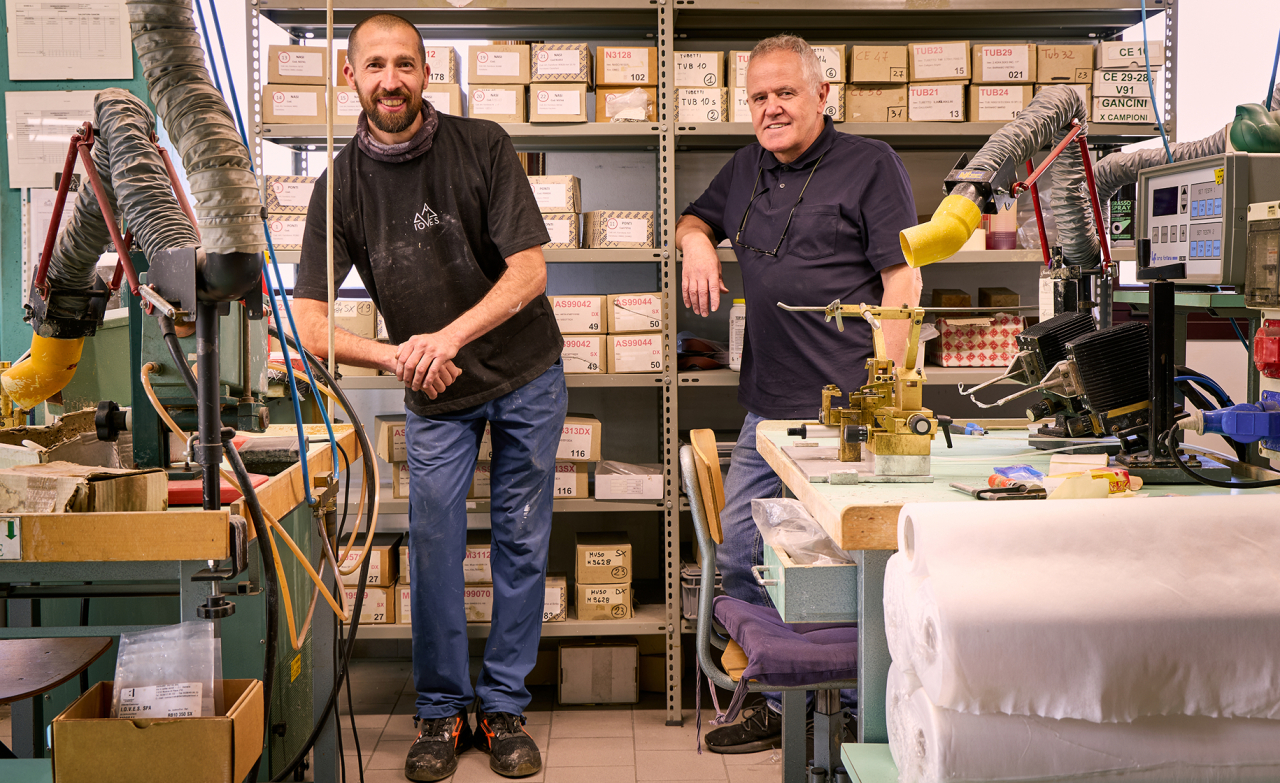
Precision hand-finishing and 100% optical alignment control prior to German export packaging.
Strategic Industry Intelligence
Emerging Eyewear Sourcing Trends in the German Market
Analyzing regulatory shifts, demographic aging, and eco-design mandates impacting optician chains, independent Augenoptiker, and e-commerce leaders across Germany.
Circular & Bio-Based Polymers
German purchasers increasingly demand cellulose acetate derived from wood pulp and cotton lint with diethyl phthalate-free plasticizers (Bio-Acetate) and eco-friendly castor-oil derived polyesters.
Screwless & Friction Hinge Mechanics
Minimizing return rates: German buyers favor patented screwless spring hinges and barrel systems engineered to withstand over 25,000 opening cycles without temple wobble or fastener loosening.
Demographic Shift: Presbyopia Surge
Over 52% of Germany's population is above 40 years old. Frame geometries must offer stable pantoscopic tilt (8° to 10°) and minimal vertex distances (12mm) to ensure seamless multifocal/freeform lens performance.
Direct Private Label Differentiation
To preserve margins against monopoly licensed designer brands, German opticians seek custom private-label collections offering European design cachet combined with competitive landed unit economics.
| Frame Material Category | Tensile Strength & Elasticity | Average Frame Weight | Corrosion Resistance | German Market Compatibility |
|---|---|---|---|---|
| Beta-Titanium Alloy | Ultra-high flexural fatigue resistance | 9.5g – 13.0g | 100% Salt & Sweat Inert | Premium Clinical / High-Index |
| High-Density Cellulose Acetate | High structural stability, deep luster | 18.0g – 24.5g | Dermatologically Stable | Designer Urban Classic |
| Swiss TR90 Memory Polymer | Impact proof, extreme shape recovery | 11.0g – 15.0g | Hydrophobic & UV Protected | Everyday Ergonomic / Sport-Casual |
| Surgical Grade Stainless Steel | Rigid thin-profile caliper control | 13.5g – 16.5g | Passivated PVD Coated | Executive Minimalist |
Procurement Knowledge Base
Frequently Asked Questions by German Eyewear Buyers
Clear answers concerning certifications, customs duties, MOQ configurations, and technical customization for German distributors and buying syndicates.
Are your frames fully compliant with German MDR and DIN EN ISO 12870 requirements?
Yes. All manufactured frames intended for the German market qualify as Medical Devices Class I under Regulation (EU) 2017/745 (MDR). We maintain comprehensive Technical Documentation files, including ISO 12870 mechanical fatigue, sweat resistance, dimensional stability tests, and DIN EN 1811 non-nickel release certifications required by regional German supervisory authorities (Behörden).
What are the minimum order quantities (MOQ) and lead times for OEM customized orders to Germany?
For ready-molded collections with custom laser engraving, pad printing, and private packaging, our MOQ starts as low as 100 to 300 pieces per model (flexible across colorways). For bespoke 3D-CAD engineered OEM mold designs, batch quantities typically start at 600 pieces. Production lead times range from 4 to 7 weeks from physical prototype sign-off, with express DDP/DAP freight to all German logistics centers.
How do your lightweight frames cater specifically to German facial anthropometrics?
Our European ergonomic fits feature wider temporal spans (138mm to 146mm total width), anatomical crest angles (30° to 40°), and deeper bridge seatings (17mm to 20mm distance between lenses). This guarantees uniform weight dispersion on the nasal bone without localized pressure, preventing slippage during physical movement and eliminating headache-inducing temporal pinch points.
Can you support optical glazing laboratories in Germany with accurate tracing files?
Absolutely. We furnish standardized OMA-compliant DXF and 3D digital tracing data for every frame style. German opticians using automated CNC edgers (such as Essilor, Nidek, or Weco) can directly import lens contours for instant bevel profiling, maximizing optical edging precision and cutting down workshop turnaround times.
What Intellectual Property (IP) and confidentiality protections do you provide?
Discretion is our default operating standard. We sign bilateral Non-Disclosure Agreements (NDAs) enforceable under European law before reviewing sketches or CAD drafts. Your custom tooling, trademarked design elements, and distribution channels remain strictly protected and isolated from other commercial lines.
Initiate Your OEM Everyday Eyewear Project for the German Market
Whether you require a bespoke private-label collection for an optical retail network or wish to sample our lightweight DIN-compliant frame inventory, our engineering and export desk in Cadore is at your service.
Inquire Now