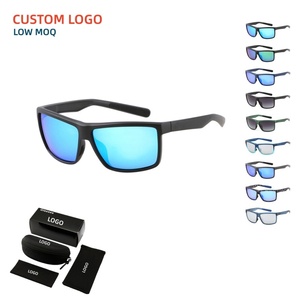
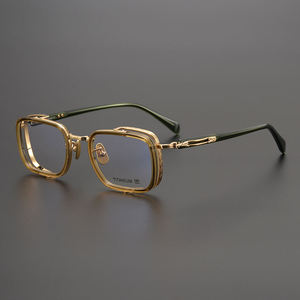
China Wholesale High-End Embellished Eyewear Factories & Supplier Serving the Japan Market

Bespoke Italian Heritage Engineering Combined with Precision OEM/ODM Mass-Production for Japanese Luxury Optical Chains, Boutiques, and Private Labels

Precision Engineering Portfolio

Curated Optical & Sunglass Collections for Japan Wholesale

Engineered to conform with JIS B 7285:2008 and Japanese ergonomic benchmarks. From micro-tolerance 0.01mm molds to handcrafted hypoallergenic pure titanium and Mazzucchelli-grade acetate embellishments.

75+
Years Industrial Pedigree (Since 1950)
3,000
Daily Capacity (Precision Units)
1,000+
Original SKU Models Developed/Yr
±0.01mm
Micro-Mold Tooling Precision Tolerance
Market Integration & Fit Dynamics

Ergonomic & Stylistic Applications in Japan's Eyewear Ecosystem

Supplying the Japanese optical retail market requires profound mastery over regional anatomical nuances, sophisticated understated aesthetics, and uncompromising zero-defect thresholds.

Asian Fit (Japanese Anatomy) Structural Engineering

Western-oriented bridge specifications routinely cause frame slippage and temple pinches for East Asian wearers. Our dedicated Japan-spec line incorporates elevated 14mm-16mm nose pad splay angles, customized pantoscopic tilt adjustments (-8° to -10°), and widened front frame curfittings. We integrate 3D-milled titanium nose stems and medical-grade anti-slip rubber pads directly into cellulose acetate fronts, eliminating dermal irritation and pressure headache complaints.

Marunouchi Corporate & Tokyo Executive Wear

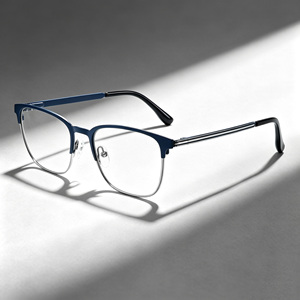
The high-density corporate corridors of Tokyo and Osaka demand discreet, understated prestige. Our Pure Titanium & Rimless Series utilizes high-voltage IP (Ion Plating) deposition in Gun Black, Champagne Gold, and Deep Navy. This ensures anti-corrosion endurance against humid Japanese summers while offering featherweight all-day comfort (sub-12 grams complete frame) tailored for executive presentations, boardroom environments, and digital screen workflows.

Ginza & Omotesando Designer Embellishment

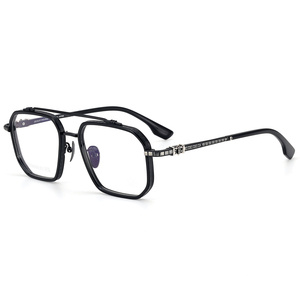
High-fashion boutiques in Minami-Aoyama and Ginza demand artisanal embellishment. Borrowing from our 75-year Cadore decorative tradition, our luxury women's lines integrate genuine micro-set Swarovski crystals, intricate laser-filigree temple core wires, and multi-layered Mazzucchelli acetate laminations. Every gem setting is tested via 24-hour ultrasonic resonance to prevent dislodgement, matching high-end department store audit standards.

Comprehensive Market Analysis

Emerging Trends in Japan's Eyewear Sourcing: From Sabae Collaborations to Value Realignment

Japan represents the world’s most quality-stringent optical consumer demographic. While Fukui Prefecture’s Sabae City remains the global benchmark for boutique handcraft, shifting macro-demographics and retail consolidation (spearheaded by optical innovators like JINS, Zoff, and Paris Miki) have driven the demand for high-caliber overseas OEM/ODM supply partners. Contemporary Japanese procurement directors are not seeking cut-rate commodity eyewear; they require a hybrid production model that pairs European design heritage with aerospace-level Asian manufacturing scale.

Three distinct structural vectors currently dictate wholesale import expansion into Tokyo and Osaka:

1. The Hyper-Aging 'Silver Market'

Over 29% of Japan's population is aged 65+, generating monumental demand for progressive lens frames, lightweight memory β-titanium, and non-slip ergonomic temple ends designed for fragile skin contact.

2. Sustainable & Bio-Acetate Mandates

Major Japanese department store consortiums (such as Isetan Mitsukoshi and Hankyu) enforce strict ESG supply chain covenants. The shift toward phthalate-free, plant-based bio-cellulose acetate is no longer optional.

3. Direct Private-Label Disintermediation

Mid-tier Japanese fashion brands are bypassing conventional trading houses (shosha), contracting directly with tier-1 audited factories capable of full-cycle CAD development, ISO-compliant tooling, and rapid turnaround.

Enterprise Manufacturing Competencies

Why Japanese Optical Importers Partner With Our Factory

Combining three generations of Italian Cadore optical engineering since 1950 with cutting-edge automated production lines, we provide seamless, verified manufacturing solutions.

Italian Cadore Legacy Since 1950

With foundational roots in Lozzo di Cadore—the cradle of global luxury optical manufacture—our processes are built upon 75+ years of tooling mastery, hand-tumbling finishes, and European fashion sensibilities. We translate Italian aesthetics into precise Japanese functional dimensions.

Full In-House Vertical Integration

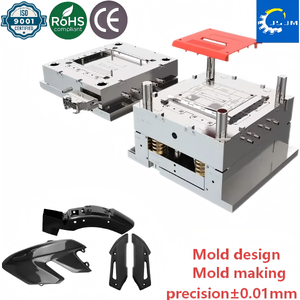
From in-house steel mold machining (±0.01mm tolerance) and CAD styling to ultrasonic crystal setting, five-barrel hinge riveting, and final clean-room optical assembly. Eliminating third-party subcontractors gives us complete oversight over lead times and quality guarantees.

Total Confidentiality & IP Protection

Confidentiality is our baseline commitment. Exclusive models, proprietary hinge patents, and custom colorways developed for our Japanese partners are safeguarded behind strict non-disclosure agreements, separate production runs, and secure data storage protocols.
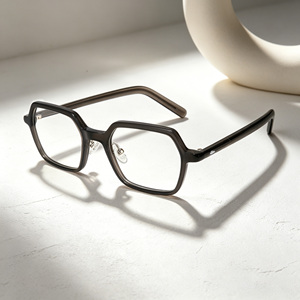
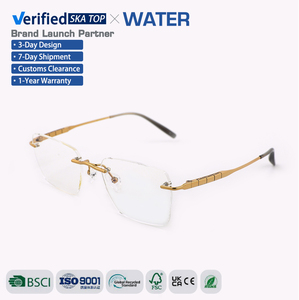
Procurement Clarity

Frequently Asked Questions by Japanese Eyewear Buyers

Detailed technical answers to common queries regarding testing compliance, MOQ flexibility, QC audits, and import logistics into Japan.

How do your factories comply with the Japanese Industrial Standards (JIS B 7285:2008)?
Every batch engineered for export to Japan undergoes internal stress analysis simulating JIS B 7285 standards. This includes mechanical durability tests (500 cycles of bridge and temple flexure without structural fatigue), sweat-resistance evaluations (immersion in artificial perspiration at 37°C for 24 hours to ensure zero discoloration of plating), and nickel release tests matching strict European and Japanese threshold guidelines. Third-party testing reports from SGS or Intertek can be furnished upon sample sign-off.
What are the standard Minimum Order Quantities (MOQs) for custom OEM and Private Label collections?
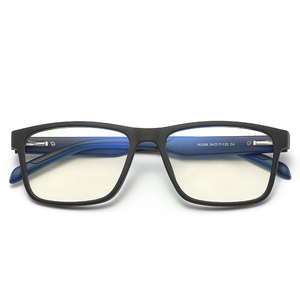
For bespoke acetate or titanium collections requiring custom tooling, our standard MOQ is 300 to 500 units per model, distributed across 2–3 bespoke colorways. However, for established retail chains and distributors looking to test curated models from our existing archive (including TR90, injection-molded, or classic metal frames), low-volume trial orders starting at 100 units are fully accommodated with customized laser branding.
How do you handle Japanese-spec quality inspections (Zero-Defect Policies)?
We understand the exacting standards of Japanese Quality Control teams, where microscopic hairline abrasions or subtle pad misalignments are categorized as major defects. We operate an isolated QC line specifically dedicated to our Japanese accounts. Here, optical frames are inspected piece-by-piece under high-lux shadowless LED hoods, assessing 36 critical checkpoints: hinge tension balance (left-to-right torque consistency), lens groove bevel depth, bridge alignment, crystal adhesion, and surface buffing perfection.
Can you produce Swarovski-embellished and bespoke crystal eyewear for luxury brands?
Yes. As demonstrated across our proprietary high-fashion Diva collection, we specialize in high-end crystal and gem embellishments. We use certified Austrian crystals bonded via specialized heat-cured, UV-stabilized adhesives or micro-prong jewelry settings. These are paired with 24-hour ultrasonic resonance wash tests to ensure zero gem fallout during extended consumer handling and optometric lens mounting.
What are the standard lead times for prototyping, mold fabrication, and mass delivery?
For initial industrial designs, 2D technical drawings and 3D CAD files are delivered within 3–5 working days. Rapid SLA 3D physical mockups take 7 days. High-precision CNC steel molds are fabricated in 25–30 days. Upon golden sample approval, mass production lead times typically range from 45 to 60 days depending on the complexity of material treatments (e.g., multi-stage hand-polishing or multi-layer IP plating). Air freight to Narita or Kansai International Airport takes only 3–5 business days.
How are import documentation, customs clearance, and Certificate of Origin managed?
Our international logistics team provides comprehensive trade documentation, including Commercial Invoices, detailed Packing Lists, Declarations of Conformity, and RCEP (Regional Comprehensive Economic Partnership) Certificates of Origin, which often allow Japanese importers to benefit from preferential tariff rates. We support FOB, CIF, or DDP shipments directly to your distribution hub in Tokyo, Yokohama, Osaka, or Nagoya.

Elevate Your Eyewear Offerings with Confirmed Heritage Quality

Whether you are engineering an exclusive titanium private label for nationwide Japanese optical chains or developing high-fashion embellished sunglasses for boutique retail, our engineering team is available for real-time technical consultation.

Inquire Now