High-Precision Optical Frames & Engineering Solutions
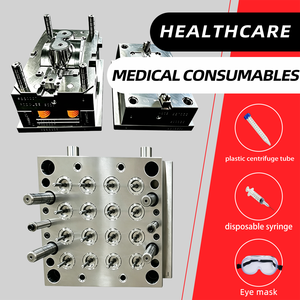
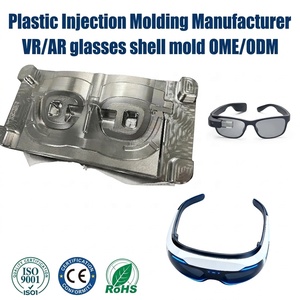
Explore our benchmark optical manufacturing portfolio, ranging from ultra-lightweight high-nickel-free titanium assemblies and Japanese TR90 polymers to medical-grade optical prototype injection tooling.
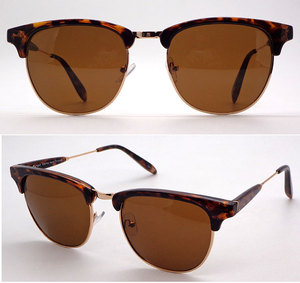
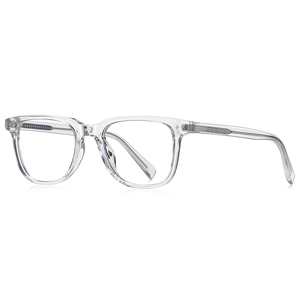
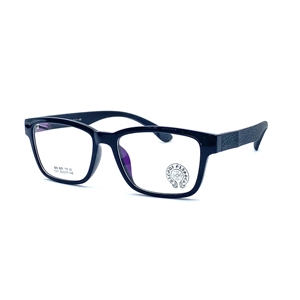
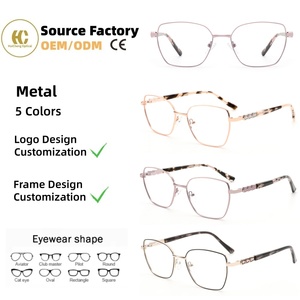
Strategic Engineering of Titanium Optical Frames for the Netherlands Eyewear Sector
The ophthalmic retail ecosystem in the Netherlands represents one of the most mature, discerning, and quality-conscious optical marketplaces across the European Union. Dutch consumers—characterized by progressive lifestyle demands, high purchasing power, and an endemic architectural appreciation for minimalist design—place profound engineering demands on optical frames. For Dutch independent opticians (zelfstandige opticiens) and domestic retail banners across Amsterdam, Rotterdam, Utrecht, and Eindhoven, the migration toward Grade 4 Pure Titanium and Beta-Titanium (Ti-15V-3Cr-3Sn-3Al) has transitioned from a premium category differentiator to a baseline clinical expectation.
Sourcing optical frames from China requires Dutch procurement heads and product developers to evaluate industrial partners through a rigorous metallurgical lens. Titanium processing requires specialized cold-swaging techniques, inert gas chamber laser welding, high-vacuum electroplating, and micro-tolerance CNC milling. In contrast to standard copper-nickel alloys or rudimentary stainless steels, aerospace-grade titanium presents extreme spring resilience, zero dermatological allergen toxicity, and absolute immunity to aggressive perspiration and saline corrosion. As a certified manufacturing enterprise, our industrial facilities provide an unbroken supply chain connecting advanced Chinese metallurgy with strict European regulatory compliances under MDR (EU) 2017/745 and EN ISO 12870:2018.
| Material Engineering Characteristic | Commercial Grade 4 Pure Titanium | Aero-Grade Beta-Titanium (β-Ti) | Standard Monel / Nickel Silver |
|---|---|---|---|
| Tensile Strength (MPa) | 550 – 680 MPa | 900 – 1150 MPa (Ultra-Flex) | 350 – 450 MPa |
| Specific Weight / Density (g/cm³) | 4.51 g/cm³ (48% lighter than steel) | 4.75 g/cm³ | 8.80 g/cm³ (Heavy) |
| Nickel Migration (EN 16128) | 0.00 μg/cm²/week (100% Hypoallergenic) | 0.00 μg/cm²/week (Safe for Sensitive Skin) | > 0.50 μg/cm²/week (High Allergy Risk) |
| Atmospheric & Saline Resistance | Superior (Passivated TiO₂ Shield) | Superior (Zero Oxidation) | Prone to Green Verdigris & Pitting |
| Modulus of Elasticity (GPa) | 105 GPa (High Structural Rigidity) | 80 GPa (Dynamic Temple Memory) | 130 GPa (Permanent Plastic Deformation) |
Integrating these metallurgical properties into lightweight rimless, semi-rimless, and hybrid acetate-titanium profiles allows Dutch optical private labels to deliver unmatched ergonomics. In the Netherlands, where over 60% of the adult population requires vision correction and progressive multifocal prescriptions are widely utilized, frame balance and temple memory are paramount to prevent slippage during daily cycling routines and professional transit.
Localized Application Scenarios Across the Dutch Landscape
Eyewear performance cannot be isolated from the geographic, occupational, and environmental realities of its wearers. Our titanium collections are engineered specifically to thrive under Dutch societal conditions.
Daily Urban Bicycle Commuting
With millions of Dutch citizens cycling daily along urban canal paths and rural snelfietsroutes, eyewear must remain stable in high head-winds and maritime humidity. Our Beta-titanium tension temples apply ergonomic micro-pressure behind the mastoid process, maintaining optical vertex distance and zero frame drift without ear discomfort.
Maritime Climate & Saline Humidity
The Netherlands experiences continuous oceanic moisture, salty North Sea air currents, and frequent rainfall. Traditional metallic electroplating fluffs and flakes within months. Our titanium optical chassis undergo multi-layer Physical Vapor Deposition (PVD) vacuum coating, providing chemical inertness against salt, moisture, and acid perspiration.
Modern Dutch Office & Tech Ergonomics
Within knowledge hubs like the Zuidas business district in Amsterdam and Brainport Eindhoven, executives and programmers endure 10+ hours of continuous digital screen focus. Our ultra-lightweight titanium frames weigh as little as 3.8 grams, preventing nasal bridge fatigue and pressure-induced headaches during intensive VDT (Visual Display Terminal) use.
Emerging Eyewear Industry Trends in the Benelux Market
Understanding shifting consumer purchasing patterns allows Dutch brand managers and buyers to tailor their private label lines for optimum commercial sell-through.
Circular Economy & ESG Procurement
Dutch optical chains (such as Pearle, Hans Anders, and independent purchasing cooperatives) increasingly favor suppliers with verified environmental audits. Titanium represents an indefinitely recyclable element. Combined with bio-based cellulose acetates and solvent-free electro-deposition, our production processes align with European Corporate Sustainability Due Diligence (CSDDD).
Architectural Minimalism: The De Stijl Influence
Aesthetic preferences in the Netherlands mirror architectural functionality. Bold logos are actively rejected in favor of discrete luxury, screwless hinge mechanics, and ultra-slender profiles. Our factories utilize micro-wire EDM and 5-axis CNC machining to fabricate monolithic titanium joints without exposed screws, ensuring a pure, uninterrupted visual flow.
MDR Compliance & Traceability Audits
Following the full enforcement of EU Medical Device Regulation 2017/745, Dutch regulatory authorities enforce strict documentation on Class I corrective eyewear. Every production lot leaving our clean-room facilities is backed by chemical batch analysis certificates, REACH declarations, and ISO-standard fatigue testing reports ready for CE marking documentation.
Dutch Optical Buyer FAQs: Sourcing Titanium Frames From China
Direct answers to technical, logistical, and commercial inquiries routinely posed by purchasing managers, brand directors, and optometry groups in the Netherlands.
How do you verify the purity of titanium and guarantee zero nickel contamination?
We source all raw titanium wire and sheets exclusively from verified aerospace-certified smelters with mill test certificates (MTC). Before production, raw stock undergoes optical emission spectrometry (OES) analysis. Finished electroplated and coated components are tested via artificial sweat immersion according to EN 16128, certifying nickel release rates far below the statutory EU limit of 0.5 μg/cm²/week.
What are your standard Minimum Order Quantities (MOQs) for custom private label runs?
For custom OEM/ODM titanium optical frame manufacturing involving unique tooling, our baseline MOQ begins at 300 pieces per model (accommodating up to 3 distinct colorways, 100 pcs/color). For in-stock catalog silhouettes requiring laser branding and customized packaging for the Dutch market, we support agile pilot orders starting from 100 pieces.
How are import logistics, Dutch customs duties, and EU VAT managed?
We routinely export directly to the Port of Rotterdam and Amsterdam Airport Schiphol under Incoterms 2020 rules (FOB, CIF, or DDP). Under HS Code 9003.11.00 (Frames of plastics) and 9003.19.00 (Frames of other materials/titanium), we supply complete commercial invoices, packing lists, and Form A origin documentation to facilitate frictionless clearance via Dutch Customs (Douane).
Can you manufacture custom ergonomic nose pads and bridge widths suited to Northern Europeans?
Yes. Anthropometric profiles vary globally. Compared to Asian fit parameters, Northern European cranial and facial profiles typically require wider distance between lenses (DBL), increased temple lengths (145mm–150mm), and deeper, flatter nose-bridge geometries. Our design and tooling teams customize all tooling geometries specifically to European optometric sizing standards.
What is the typical production timeline from initial 3D design to delivery?
Initial CAD design and 3D SLA prototyping typically require 7 to 10 working days. Following physical prototype approval, mold creation and pre-production tooling take approximately 25 to 30 days. Full-scale mass production of titanium optical frames requires 45 to 60 days, accounting for multi-pass vacuum plating and automated mechanical endurance stress testing.
Do your frames support high-minus and progressive ophthalmic prescription glazing?
Yes. We specifically engineer rim groove profiles and lens bevel angles (V-grooves) to securely anchor high-index lenses (-6.00D and above) without inducing mechanical frame torque. Furthermore, our titanium eye-rims maintain uniform structural tension, preventing progressive corridor optical distortions when lenses are edged and mounted in Dutch optical workshops.
Architect Your Next Titanium Eyewear Collection
Whether you represent an established Dutch optical chain looking to de-risk your supply chain or an independent eyewear brand engineering a bespoke Beta-titanium line, our technical directors are ready to review your CAD specifications and commercial requirements.
Send an Inquiry