Winter Sports / Magnetics
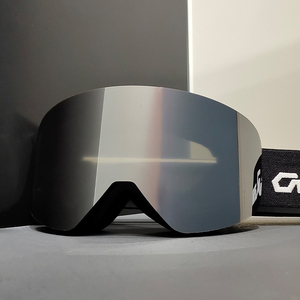
Yijia Optical Designer Frameless Magnetic Ski Goggles Custom Snow Goggles Ski Glasses Snowboard Goggles
Quick-Swap Dual Cylindrical
Specs →
Direct factory production lines dedicated to Tokyo optical boutiques, Ginza luxury houses, and active lifestyle apparel brands across Shibuya and Shinjuku.
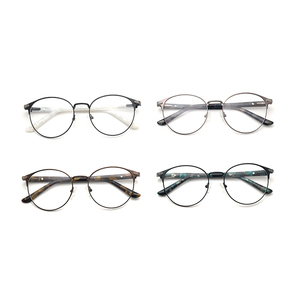
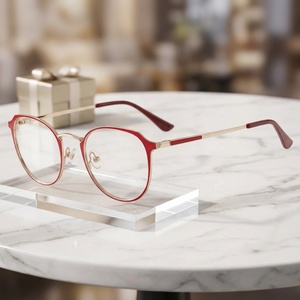
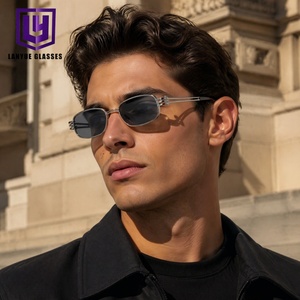
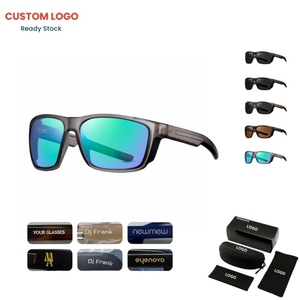
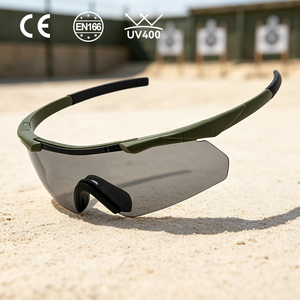
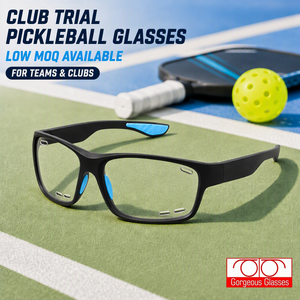
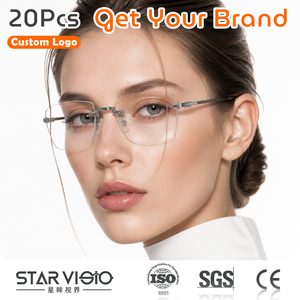
Tokyo's eyewear retail ecosystem demands a stark bifurcation between high-density digital office environments and trend-driven metropolitan street fashion.
With corporate white-collar teams logging 10+ screen hours across the financial districts, optical frames configured with HEV420 blue light filtration, ultra-flexible spring hinges, and ergonomic silicone pad bridges mitigate visual fatigue and temple lateral pressure during marathon workdays.
Retro-minimalism dominates modern Tokyo street style. Our small-profile rectangular metal frames and polished Mazzucchelli-grade acetate selections offer high-precision milling, bespoke pantoscopic tilt angles, and textured temple knurling customized for young Japanese trendsetters.
Tokyo skiers navigating the Shinkansen towards Hakuba and Niseko need compact, modular equipment. Frameless magnetic spherical/cylindrical ski goggles allow single-second lens replacements under fluctuating alpine light while providing anti-fog dual polycarbonate thermal barriers.
Why leading retail consortiums and independent Megane chains in Tokyo are rebalancing Sabae-dependence with specialized offshore direct manufacturing.
While Fukui prefecture remains revered for handcrafted luxury, long tooling lead-times (6-9 months) and artisanal labor shortages restrict agile replenishment. Tokyo brands utilize our integrated Chinese industrial parks to achieve 35-day fast-turn batch production while retaining Japanese metallurgy and surface finishing protocols.
Standard Western frame geometry causes temporal pinching and facial cheek slippage for East Asian buyers. Private label collections engineered for Tokyo feature: wider front base curves (flattened 4-base curvatures), extended nose-pad splay angles, elongated pad arms, and optimized temple wrap tension.
Consumer eco-consciousness in Minato and Shibuya has driven demand for non-petroleum based frame solutions. Our production ecosystem delivers certified eco-friendly bio-acetates (cotton cellulose and wood pulp plasticizers) and ultra-lightweight EMS Swiss TR90 resins tested to strict REACH/JIS durability benchmarks.
| Material Lineage | Tensile Modulus & Weight | Surface Finishing / Plating | Primary Tokyo Market Application |
|---|---|---|---|
| High-Purity Titanium / Beta-Ti | Ultralight (~9.8g frame body), High Flexibility | IP (Ion Plating) Vacuum Deposition, Sweat Acid Resistant | Ginza / Nihonbashi Executive Optical Lines |
| Cellulose Acetate (Bio-Based) | Deep Color Density, Hand-Polished Tactile Feel | Multi-barrel Riveted Barrel Hinges, Hand Polishing | Daikanyama Vintage Retro Private Labels |
| EMS Grilamid TR90 | Impact Resistant, Shape Memory Retention | Matte Rubberized / Soft-touch UV Coatings | Sports Performance, Pickleball & Cycling Brands |
| Aviation Aluminum-Magnesium | Rigid Structural Integrity, Thermal Stability | Anodic Oxidation Hard Anodized Coating | Tokyo Metro Commuter Polarized Eyewear |
Founded upon artisanal eyewear traditions dating back to 1950, our manufacturing infrastructure fuses Cadore precision methodology with high-volume Danyang tooling efficiency.
From initial 3D CAD/CAM surfacing and computerized CNC 5-axis tooling to ultrasonic barrel polishing, multi-layer anti-reflective dipping, and precision laser pad printing—everything is managed in-house to protect intellectual property and eliminate intermediary markup.
We implement an uncompromising multi-stage inspection regime matching Japan’s Consumer Product Safety Association (CPSA) guidelines: 20,000-cycle spring-hinge fatigue tests, nickel-release chemical analysis, salt spray corrosion verification, and precision lens optical alignment tests.
Every technical drawing, patent application, and custom hinge blueprint is safeguarded with strict non-disclosure covenants. We empower Japanese retailers to scale customized packaging, Japanese-language warranty inserts, and custom SKU barcodes effortlessly.
Direct technical clarifications on minimum order quantities, import tariffs, customs clearance, and Japanese ergonomics validation.
Consult with our technical engineering desk for precision 3D CAD modeling, material sample swatches, Asian-fit prototypes, and competitive factory-direct volume pricing.