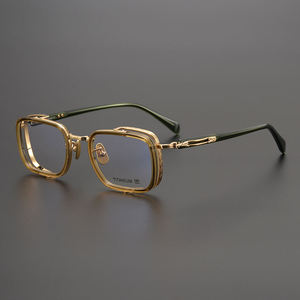
Beta Titanium & Hybrid Precision Optical Solutions
Explore our production-ready beta titanium optical frames, vacuum-ion plated collections, and ergonomic components engineered for international optical chains and discerning private labels.

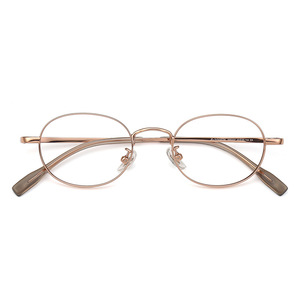
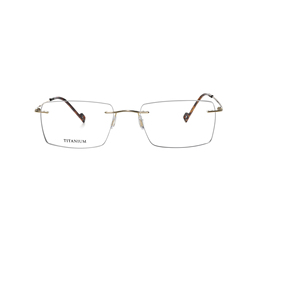
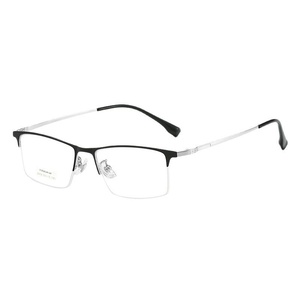

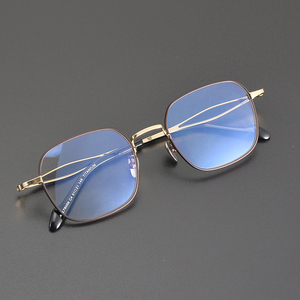
High-Yield Chinese CNC Tooling
Shenzhen and Danyang manufacturing clusters offer high-velocity wire-drawing, 5-axis micro-milling, and advanced β-phase titanium metallurgical processing to ensure minimal deformation tolerances and rapid production turnarounds.
Barcelona Design & Distribution
Drawing artistic leverage from Catalonia’s avant-garde eyewear ecosystem, our Barcelona touchpoints bring refined European ergonomic curves, rapid sample curation, CE conformity documentation, and seamless Mediterranean market distribution.
End-to-End Vertical Control
Carrying on a heritage running since 1950, our manufacturing standard integrates optical physics, vacuum ion sputtering (PVD), hypoallergenic nickel-free testing, and ISO 12870 certified physical stress checks under one transparent chain of custody.
Comprehensive Strategic White Paper: Sourcing Beta Titanium Eyewear via Chinese Precision Hubs and Barcelona Finishing Facilities
The global eyewear industry has experienced a profound structural evolution over the past decade. The demand for heavy, purely aesthetic frames has shifted radically toward ergonomic, hypoallergenic, ultralight, and bio-compatible materials capable of supporting both high-index optical prescriptions and extended daily screen wear. At the pinnacle of this material transition stands Beta Titanium (β-Titanium)—an alloy engineered with vanadium, chromium, or aluminum that yields extraordinary tensile strength, hyper-elastic flexibility, shape memory, and featherweight density.
For optical chains, independent boutique brands, and volume distributors across Europe, balancing competitive production cost against uncompromising aesthetic finesse and regulatory compliance has historically presented a supply chain paradox. Sourcing exclusively from traditional Western European manufacturing enclaves often yields high unit costs and limited capacity, while indiscriminate sourcing from non-specialized factories risks metallurgical inconsistency, brittle solder points, and micro-delamination of surface platings. This report examines the high-efficiency operational model connecting the advanced Beta Titanium production infrastructure in China with the design sensibilities, agile assembly, and distribution standards of Barcelona, Spain.
1. Advanced Metallurgy: The Chemical & Mechanical Integrity of Beta Titanium
Understanding the value proposition of beta titanium requires examining its phase crystalline structure. Pure titanium (Alpha titanium, Grade 1 to 4) crystallizes in a hexagonal close-packed (HCP) structure, offering exceptional corrosion resistance and biocompatibility, but modest elasticity. When alloyed with specific elements—most notably vanadium (typically 15%) and aluminum (typically 3%) or molybdenum-zirconium matrices—the metal is stabilized in a body-centered cubic (BCC) beta-phase lattice.
This metallurgical rearrangement provides profound engineering advantages for optical frames:
- Elastic Modulus (Young's Modulus): Approximately 80–90 GPa, compared to 105–110 GPa for pure titanium and over 200 GPa for standard stainless steel. This allows ultra-thin temple arms (down to 0.7mm thickness) to bend 90 degrees and spring back to original geometry without work-hardening or fatigue failure.
- Tensile Yield Strength: Surpasses 950–1200 MPa, allowing minimalist structural cross-sections that reduce total frame weight to below 3.8 grams without compromising structural rigidity across the bridge or rim wire.
- Biocompatibility and Skin Non-Reactivity: Absolutely zero nickel migration, ensuring compliance with European Standard EN 1811 and eliminating contact dermatitis, which is vital for Mediterranean climates characterized by high ambient humidity and sweat-induced corrosion.
2. The Specialized Role of China's Premier Titanium Eyewear Manufacturing Hubs
China is home to the world’s most sophisticated industrial clusters for technical eyewear production, centered primarily in Shenzhen (Henggang) and Jiangsu (Danyang). Specialized beta titanium manufacturing requires heavy capital investment in specialized fabrication technologies:
- Inert Gas Vacuum Laser Welding: Because molten titanium reacts instantaneously with atmospheric oxygen, nitrogen, and hydrogen—leading to fatal weld embrittlement—high-tier Chinese factories utilize automated, sealed argon chambers or computer-controlled fiber-laser welding systems to attach end-pieces and bridge assemblies with microscopic precision.
- Multi-Axis CNC Cold Milling: Complex bridge contours and three-dimensional rim details are cut from solid beta titanium sheets using coolant-flooded micro-milling machines running at 40,000 RPM, preventing heat-induced metallurgical alterations.
- Physical Vapor Deposition (PVD) Vacuum Sputtering: Traditional electroplating frequently degrades when applied to passive oxide layers of titanium. Leading Chinese OEM facilities deploy advanced cathodic arc PVD deposition, infusing titanium nitride (TiN), chromium carbonitrides, and zirconium oxides at the molecular level, yielding coatings with surface hardness exceeding 2000 HV and superior salt-spray corrosion endurance.
3. The Strategic Significance of the Barcelona Eyewear Cluster
While China offers unmatched manufacturing precision, volume, and raw material access, Barcelona stands as a primary design powerhouse and operational gateway for the European optical market. Known internationally for visionary brands such as Etnia Barcelona and independent optical workshops throughout the Gràcia and El Born districts, the Catalan capital brings decisive value to the supply chain:
- Chromatics & Architectural Aesthetic Direction: Barcelona design studios excel in interpreting Mediterranean color palettes, tactile architectural geometry, and minimalist avant-garde aesthetics. They calibrate frame silhouettes to European facial anthropometrics, emphasizing bridge span, pantoscopic tilt, and ear-stem sweep.
- Post-Processing, Inspection & European Finishing: Local facilities in Barcelona provide high-precision final assembly, hand-buffing of acetate-titanium hybrid components, local lens glazing, and laser micro-engraving for boutique collections requiring agile turnaround.
- Direct EU Regulatory Clearance & Rapid Logistics: Maintaining a physical footprint and finishing capabilities in Barcelona provides immediate conformity assessment under the European Medical Device Regulation (EU MDR 2017/745 for Class I ophthalmic frames) and ISO 12870, mitigating supply chain vulnerabilities and accelerating distribution across Southern and Western Europe.
4. Localized Application Scenarios: Where Beta Titanium Dominates the Market
Integrating Chinese factory capacity with Barcelona design standards addresses specific, high-margin consumer and optical trade segments:
- Executive All-Day Wear: Minimalist rimless and semi-rimless frames engineered for business professionals requiring ultra-light comfort during 14-hour working days, seamlessly transitioning between boardrooms and prolonged digital device usage without nasal indentation.
- Hybrid TR90 & Italian Acetate Co-Molded Frameworks: Utilizing ultra-flexible beta titanium temples mated to high-density cellulose acetate rims or ultra-light swiss polyamide (TR90). This construction achieves rich front-face color depth while maintaining weightless, self-adjusting ergonomic grip behind the ears.
- Active Urban & Coastal Environments: In coastal markets like Barcelona, Valencia, and the Balearic Islands, traditional metal frames suffer rapid galvanic degradation from marine salt air and perspiration. PVD-coated beta titanium frames provide total immunity to saline pitting and skin oxidization.
- High-Index Corrective Prescriptions: Specialized reverse-grooved and micro-milled full titanium profiles provide structural integrity for high-power myopic or progressive lenses, concealing edge thickness without requiring clumsy, thick-walled frame borders.
5. Forward Trends: The Next 5 Years of Titanium Optical Sourcing
The eyewear sector is undergoing a transformative shift toward sustainable supply chains and advanced manufacturing methods. Buyers sourcing beta titanium frames must anticipate four key market trends:
- Additive Manufacturing (3D Titanium Printing) Hybrids: Combining selective laser sintering (SLS) printed titanium front chassis with cold-drawn beta-titanium wire temples, eliminating material scrap while enabling customized, parametric bridge sizing.
- Eco-Friendly Circular Metallurgy: Demands for certified recycled titanium billets in Shenzhen production lines, accompanied by closed-loop water and chemical recycling in polishing and PVD treatment.
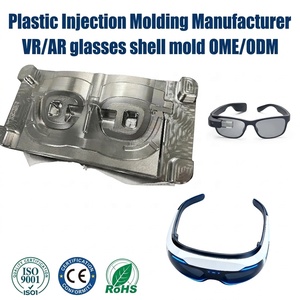
- Smart Audio & Extended Reality (XR) Integration: As showcased in modern consumer electronics enclosures, the next generation of smart eyewear utilizes hollowed, micro-machined beta titanium temple structures capable of housing haptic actuators, micro-batteries, and bone-conduction transducers without losing flex memory.
- Bifurcated Supply Chain Architecture: Savvy brand managers are moving away from monolithic sourcing models. The winning formula involves primary engineering, cold-forging, and initial milling in premier Chinese hubs, paired with final customization, batch coloring, and decentralized assembly in European centers like Barcelona or Lozzo di Cadore.
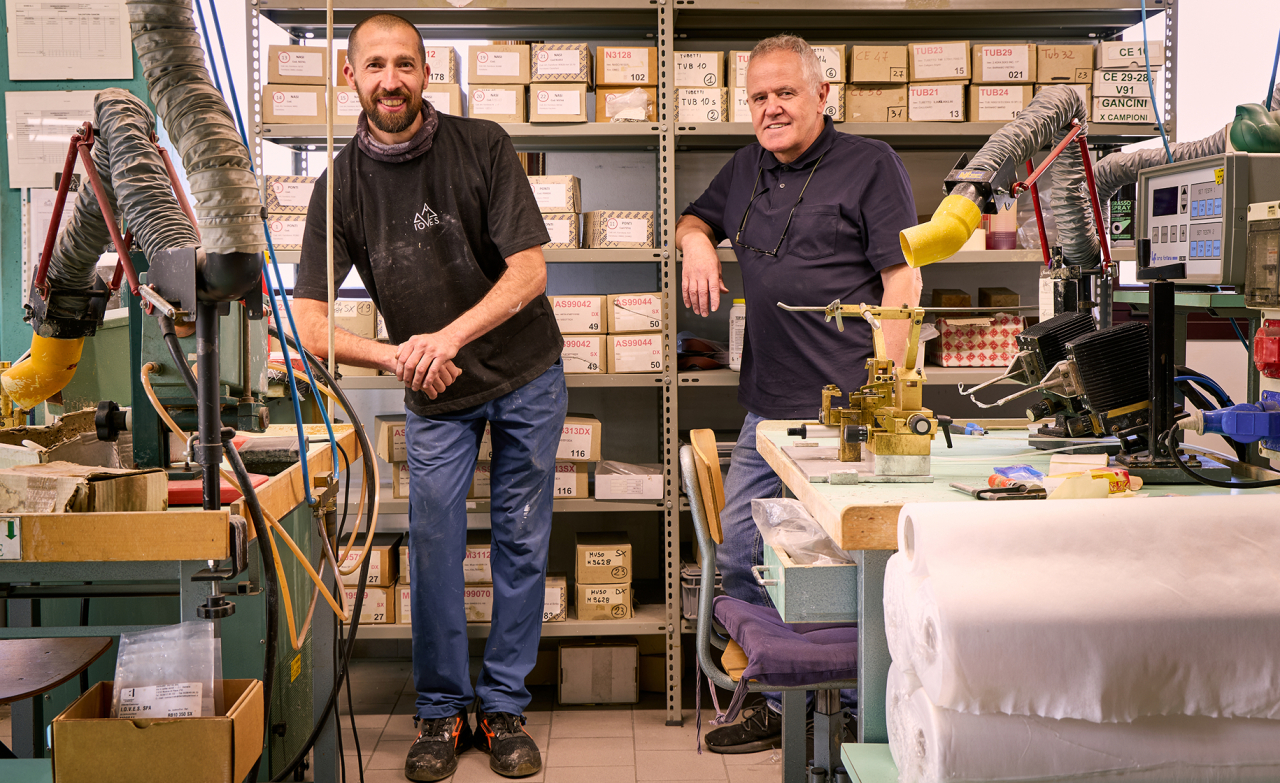
Heritage Craftsmanship & Micro-Alignment
Every frame passes through meticulous bench inspection. Skilled optical artisans verify hinge torque resistance, temple alignment angles, and symmetrical pantoscopic curvature, guaranteeing that the approved prototype corresponds identically with large-scale production lots.

Industrial Scale & Dual-Continent Reach
With an operational legacy dating back to 1950, our manufacturing standard bridges the raw industrial output of 3,000 frames daily with localized supply chain responsiveness across more than 90 destination countries worldwide.
Frequently Asked Questions by Optical Buyers
Direct technical and commercial answers for purchasing managers, optical chain merchandisers, and private label founders evaluating beta titanium partnerships.
What are the key technical differences between Beta Titanium and 100% Pure Titanium frames?
Pure titanium (Alpha-phase) exhibits high rigid tensile properties, making it optimal for solid, non-deflecting frame fronts and structural bridge pins. Beta titanium incorporates elements such as vanadium, aluminum, or molybdenum to shift the crystal structure to a body-centered cubic form, providing remarkable elastic deflection, spring-back recovery, and high fatigue endurance. As a result, beta titanium is primarily deployed in thin temples, tension-mounted rimless frames, and flexible bridges that require shape-memory properties.
How do you handle minimum order quantities (MOQ) across custom toolings vs. catalog variants?
For catalog OEM models, our typical starting MOQ begins at 300 pieces per model (divided into 2-3 distinct PVD color variations). For fully custom ODM projects requiring dedicated CNC tooling dies, custom-extruded rim wires, or unique bridge components, our MOQ is generally 500 to 1,000 pieces per design, accompanied by rapid 3D prototyping and functional metal sampling within 15 to 20 working days.
What surface finishing processes are utilized to prevent sweat corrosion and paint peeling?
We employ ultra-high vacuum Physical Vapor Deposition (PVD) ion-plating chambers instead of conventional solvent spray painting. The titanium surface is bombarding-cleaned with argon ions, followed by target sputtering with titanium, chromium, or precious metals (including real 18K/24K gold and ruthenium) in a plasma state. This process achieves a metallurgical molecular bond with coating thicknesses ranging from 0.8 to 2.5 microns, ensuring complete compliance with the 48-hour artificial sweat test and ISO 12870 standard.
How do your factories ensure CE, REACH, and EU MDR compliance for the European optical market?
All materials entering our facilities are accompanied by mill test certificates (MTC) verifying alloy purity. Finished frames undergo independent testing for nickel release under EN 1811:2011+A1:2015, REACH SVHC chemical restrictions, and biocompatibility standards. For partners marketing within the European Union, we supply complete technical files and Declarations of Conformity under Regulation (EU) 2017/745 for Class I medical devices.
Can European buyers route quality inspection, finishing, and packaging through your European network?
Yes. We offer flexible dual-stage fulfillment models. While precision casting, CNC machining, laser welding, and initial PVD coating take place at our volume-optimized facilities in China, clients can opt for final batch inspection, bespoke European packaging, demo lens etching, and localized distribution management through our partner logistics centers in Spain and Italy.
What measures are enforced to safeguard our proprietary frame designs and intellectual property?
Intellectual property security is our default operational standard. Every custom tooling file, 3D CAD drawing, and optical specification is isolated within restricted project servers under strict non-disclosure agreements (NDAs). Proprietary dies and stamping tools are permanently archived under client-specific identifiers and are never shared, displayed, or re-utilized for third-party production.
Scale Your Eyewear Brand with Industrial Precision
Connect with our senior technical engineering team to receive full CAD specs, metallurgical testing certificates, and our comprehensive export product catalog.