High-Precision Optical Contract Manufacturing for the Bosphorus Hub
As the primary bridge connecting European ophthalmic compliance and Eurasian consumer volume, Istanbul's optical procurement landscape demands zero-compromise manufacturing integrity. We engineer fully documented, CE Certified optical frames and solar eyewear supported by rigorous Declaration of Conformity (DoC), Turkish Product Tracking System (ÜTS) registration readiness, and end-to-end metallurgical and polymer traceability.

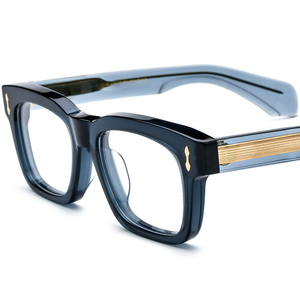
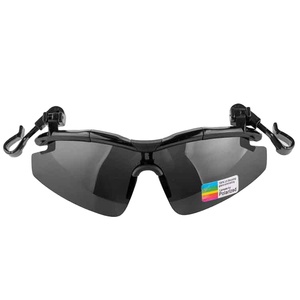
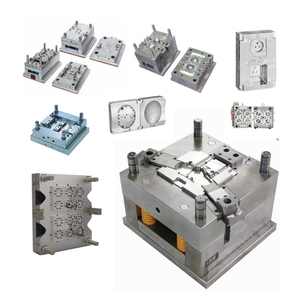
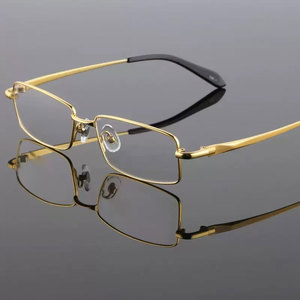
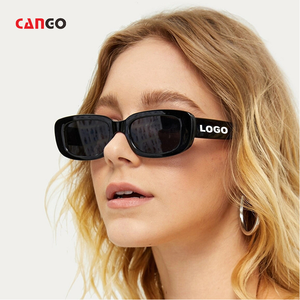
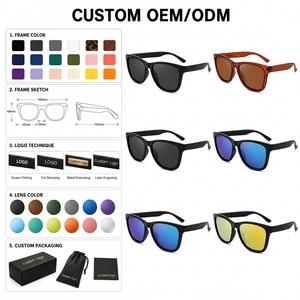
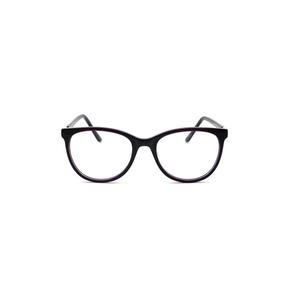
Technical Procurement Advisory for Turkey: Eyewear imported into the Republic of Turkey must comply simultaneously with the EU-Turkey Customs Union protocols, Regulation (EU) 2017/745 on Medical Devices (MDR Class I) for non-corrective/corrective frames, and Regulation (EU) 2016/425 for Personal Protective Equipment (sunglasses). Our full-stack manufacturing program furnishes complete Technical Construction Files (TCF), ISO 12870 nickel-release testing certificates, and direct GBDN/ÜTS coding harmonization to eliminate customs bottlenecks at Ambarlı Port and Istanbul Airport Cargo terminals.
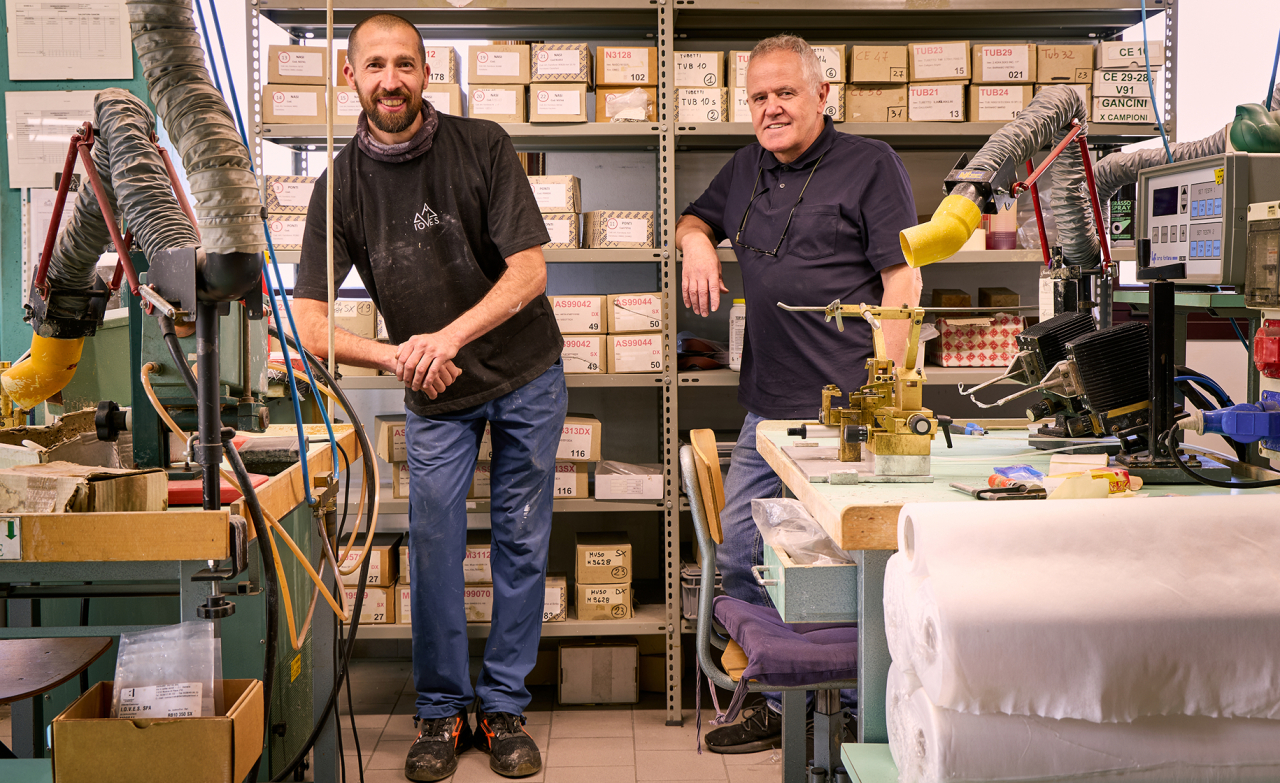
Vertical Integration from Raw Acetate to Metrology Verification
Unlike trading aggregators who broker production across disconnected workshops, our manufacturing infrastructure consolidates all critical technical pathways under unified management. Originating in Lozzo di Cadore—the cradle of global ophthalmic frame making—we apply tight thermodynamic curing, five-axis CNC profile milling, multi-stage barrel tumbling with certified birchwood pegs, and robotic electro-plating.
- Mazzucchelli 1849 & Cellulose Propionate Curing: Dimensional stability guaranteed against warping under warm Anatolian summer conditions.
- Japanese Titanium & German OBE Spring Hinges: Exceeding 25,000 continuous open-close flex cycles under ISO mechanical load tests.
- Full Material Declarations: Complete absence of phthalates, non-sensitizing biocompatibility in accordance with EN ISO 10993.
Tailored Application Scenarios Across Istanbul's Optical Ecosystem
Istanbul represents a multifaceted consumer market characterized by stark contrasts—from ultra-luxury bespoke demands in European-side design districts to mass-volume prescription distribution centers serving broader Anatolia. We engineer targeted SKUs calibrated to each micro-market dynamic.
Boutique Independent Opticians & Luxury Fashion Houses
High-density fashion corridors require low-run, high-margin exclusive collections. We provide CNC-milled 8.0mm to 10.0mm block acetate frames with bespoke inner wire cores, 24k gold galvanic ion-plating, and custom pantoscopic tilt adjustments. These boutiques demand distinct silhouette identity that escapes domestic commoditization and commands premium consumer pricing.
Central Wholesale Optical Trade & Anatolian Distribution
As the historical trade nerve center for Turkey's optical distribution, Sirkeci wholesale importers demand rapid repeatability, high unit durability, and strict budget compliance. Our high-precision TR90 and pure titanium memory wire frames offer mass-volume resilience, uniform lens bevel grooves, and universal ergonomics ideal for multi-store chains distributed across Bursa, Ankara, and Izmir.
Post-Refractive Surgery & Clinical Prescription Optical
Istanbul's booming ophthalmic medical tourism (LASIK, cataract lens replacement, corneal cross-linking) creates urgent demands for surgical-grade post-operative protection. We supply Class I medical frames fitted with certified UV400 Category 3 and Category 4 polarized TAC lenses, equipped with side shields and anti-reflective inner back coatings to minimize glare for convalescing patients.
Coastal Sports & High-Albedo Solar Defense
Maritime lifestyle along the Marmara Sea, Prince Islands, and yachting corridors of Kalamış and Ataköy requires specialized salt-mist corrosion resistance. Our contract lines utilize vacuum PVD-coated stainless steel and hypoallergenic Grilamid TR90, coupled with hydrophobic and oleophobic polarized lenses that resist salt spray pitting and eliminate maritime surface albedo.
Digital Blue-Light Filtration & Executive Eyewear
Corporate office dense districts require ultra-lightweight ergonomic chassis designed for 10+ hours of continuous daily display interaction. Our beta-titanium and ultra-thin acetate frames feature optimized vertex distances and precision-engineered spring hinges that eradicate temple pressure, paired with blue-attenuating lens polymers tested to ISO 12312-1 spectral standards.
Private Label Turnkey Programs for Nationwide Optical Chains
Operating within premier shopping centers (Zorlu Center, Cevahir, Istinye Park, Mall of Istanbul), retail chains need agile seasonal drops every 90 days. We provide complete private-label white-box execution: laser serial numbering, customized Turkish/English packaging, UPC barcode harmonization, and drop-ship consolidation to central bonded warehouses.
Navigating Eyewear Trends & Import Dynamics in Turkey (2025–2028)
Sourcing eyewear for the Turkish market requires profound understanding of macroeconomic shifts, changing import tariff regulations (İlave Gümrük Vergisi), and evolving consumer preferences influenced by both Southern European couture and localized fiscal realities.
Hedging Currency Volatility via High-Durability Materials
With fluctuating Turkish Lira exchange rates, retail consumers prioritize longevity over disposable fashion. Sourcing pure Japanese titanium, surgical stainless steel (AISI 304L/316L), and genuine block acetate reduces post-sale warranty claims, ensuring that optical chains protect margin stability and bolster brand reputation.
Mandatory ÜTS Tracking & TİTCK Regulatory Stringency
The Turkish Medicines and Medical Devices Agency (TİTCK) enforces stringent registration in the ÜTS (Ürün Takip Sistemi) for prescription frames. Every imported frame requires validated Class I MDR classification, unbroken lot traceability, and ISO 13485 quality system conformity, rendering non-compliant gray market suppliers obsolete.
Rise of D2C Private Labeling Among Regional Optical Groups
Mid-sized optical groups across Istanbul are migrating away from licensing expensive multinational designer brands. By developing house brands through our OEM/ODM contract pipeline, regional opticians capture up to 65% gross margins while maintaining direct control over SKU aesthetic customization and regional merchandising.
Eco-Cellulose & Circular Bio-Acetate Adoption
Aligning with European Green Deal benchmarks, Turkish corporate buyers increasingly mandate biodegradable acetate (diethyl phthalate-free, certified bio-based carbon content). Our contract manufacturing incorporates certified recycled steel and bio-cellulose polymers without sacrificing thermal adjustment flexibility on optician dispensing benches.
Why Premier Importers Consolidate Eyewear Production with Us
Founded in 1950 in Lozzo di Cadore, Belluno—the global epicenter of high-end optical craftsmanship—our enterprise embodies over 75 years of uninterrupted manufacturing excellence. By fusing classical Italian artisanal lineage with cutting-edge industrial automation, we bridge the gap between boutique perfection and mass contract scalability.
- Uncompromising Confidentiality (Strict NDA Execution): Proprietary CAD files, custom mold dies, and aesthetic collections remain strictly confidential. We never cross-sell partner tooling.
- Comprehensive Material Mastery: Simultaneous in-house mastery across block acetate, high-grade metals (titanium, monel, stainless steel), and precision injection polymers (TR90, Ultem, nylon).
- Daily Output of 3,000+ Units: Reliable delivery cycles structured around container freight into Turkish customs ports or express air cargo into IST/SAW.

Material Science & Tolerances Calibrated to European Standards
Contract manufacturing failure often traces back to minor inconsistencies in polymer drying, hinge temper, or lens groove profiling. Our engineering protocol implements zero-defect quality gates across every production milestone.
Thermodynamic Curing & Zero-Creep Acetate
Freshly rolled acetate retains internal residual stresses that cause bridge collapse or temple warping under heat. We subject all blank plates to controlled 72-hour kiln conditioning at 55°C, ensuring pristine dimensional stability before CNC five-axis milling. Opticians in Istanbul can hot-air adjust frames without risk of brittle fracturing.
Galvanic PVD & Nickel-Release Chemistry
In full accordance with EN 16128 and EN 12472, our metal optical frames undergo cathode sputtering and vacuum PVD coating with biocompatible titanium nitride and precious metal salts. We enforce a nickel migration threshold strictly below 0.5 μg/cm²/week, protecting sensitive wearers and securing seamless clearance during customs inspection.
Optical Lens Beveling & Groove Uniformity
Automated edging in Turkish optical dispensing labs requires sub-micron bevel groove uniformity. Our CNC profiling guarantees a standard 110° to 120° V-groove with depth tolerances held within ±0.05mm. Whether fitting progressive high-index 1.74 lenses, polycarbonate, or mineral glass, the lenses mount flush without stress cracking or frame splay.
Frequently Asked Questions for Turkish Optical Importers
Direct, technical answers addressing customs clearance, minimum order quantities, regulatory declarations, and contract logistics tailored to corporate optical procurement officers across Istanbul and Turkey.
How do you ensure Turkish ÜTS (Product Tracking System) registration readiness?
Corrective optical frames are categorized as Class I Medical Devices under the Turkish Medical Device Regulation (Tıbbi Cihaz Yönetmeliği), aligned with EU MDR 2017/745. We issue a comprehensive Declaration of Conformity (DoC), validated ISO 13485 manufacturing documentation, and English technical dossiers. This enables your regulatory affairs team or licensed Turkish customs broker to generate the Global Trade Item Numbers (GTIN) and immediately upload product profiles to the Ministry of Health's ÜTS database without procedural delays.
What are the Minimum Order Quantities (MOQs) for custom private label optical collections?
For custom OEM/ODM production using existing proprietary toolings, our MOQ begins at 300 units per model, broken down into 100 units per colorway (inclusive of laser temple engraving, custom tip printing, and bespoke nose pad branding). For fully novel concept design requiring dedicated injection mold dies or specialized CNC profile development, our tooling threshold is 1,200 units amortized across initial production runs. We also offer selected fast-turn stock programs with low MOQs (from 50 to 100 units) for rapid catalog testing.
How is customs compliance handled regarding Turkish Additional Customs Duties (İlave Gümrük Vergisi)?
We supply precise Harmonized System (HS) codes—specifically HS 9003.11 (plastic optical frames), HS 9003.19 (metal/titanium optical frames), and HS 9004.10 (sunglasses). Depending on the production route, we provide accurate Certificates of Origin (COO), Form A, or A.TR movement certificates within our international supply chain frameworks, ensuring your clearing agent at Ambarlı Port or Atatürk Airport Cargo applies the correct duty structure and minimizes tax liabilities.
Can we request customized ergonomic fitting tailored to Turkish cranial metrics?
Yes. Regional anatomical variations significantly affect eyewear wearability. We offer dedicated bridge width modifications, deeper nose pad splay angles (28°–34°), and temple curve calibrations adapted specifically for the Anatolian cranial profile. This avoids temple slippage and eyelash contact with deep-base prescription lenses, vastly improving wearer satisfaction in retail stores.
What quality control protocols protect us against transit warping and batch variance?
Every production batch undergoes a four-stage MIL-STD-105E AQL 1.0/2.5 inspection: incoming raw material spectrophotometry, mid-assembly dimensional checks, endurance hinge cycling, and 100% final cosmetic pass under high-intensity cross-polarized illumination. Shipments are packed in desiccated, humidity-controlled, shock-absorbent multi-layer export master cartons designed to withstand temperature fluctuations across Mediterranean and Black Sea shipping lanes.
Accelerate Your Eyewear Production for the Istanbul Market
Whether you are expanding a multi-door retail optical chain across Turkey, launching an exclusive private label acetate collection, or upgrading institutional hospital supply contracts—our Cadore heritage engineering team is prepared to review your CAD files and technical brief.