Eyewear OEM ODM manufacturing industrial cleanrooms and CNC milling machinery at IOVES Italy
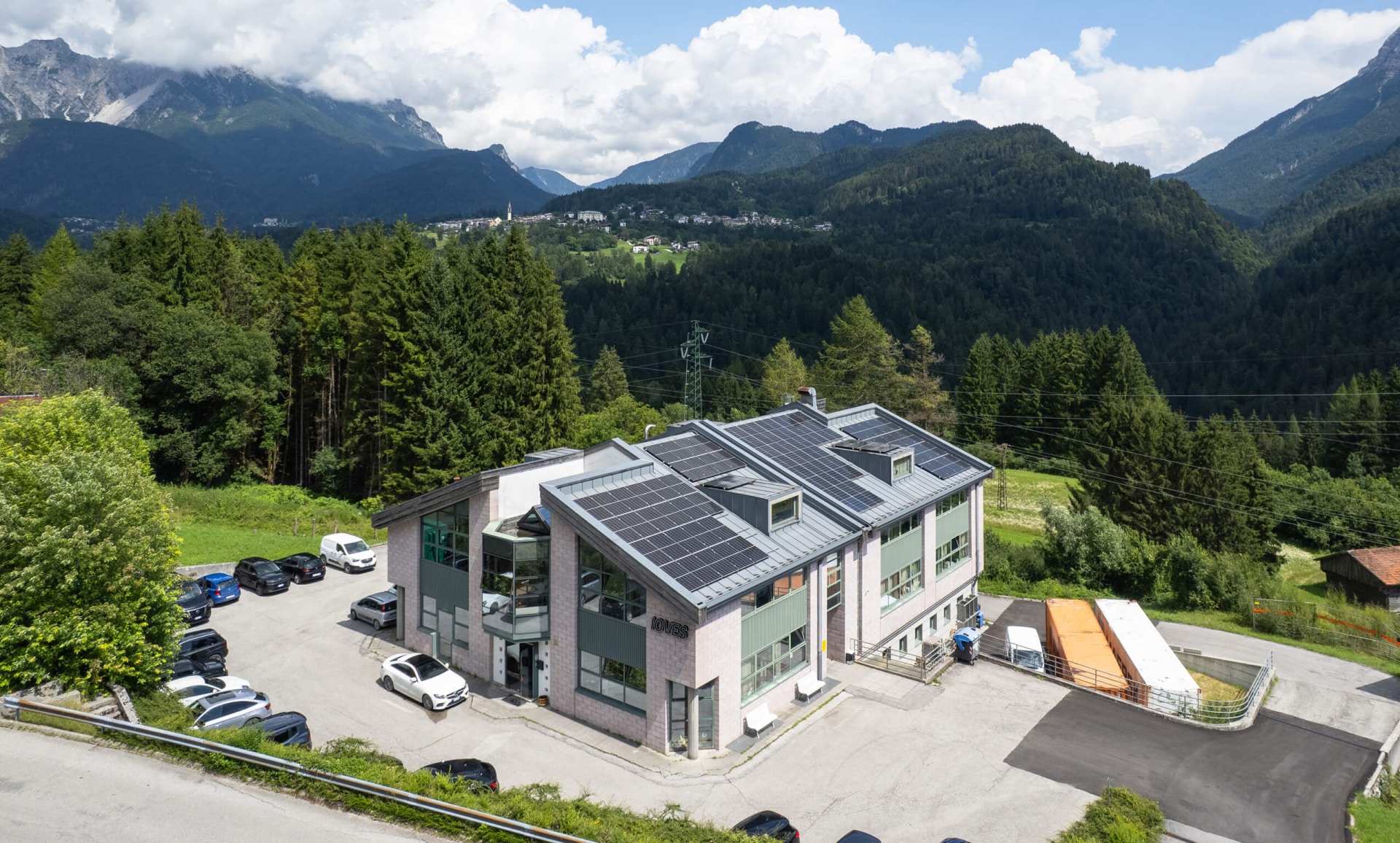
Italian heritage in precision optical frame and sunglass OEM production since 1950
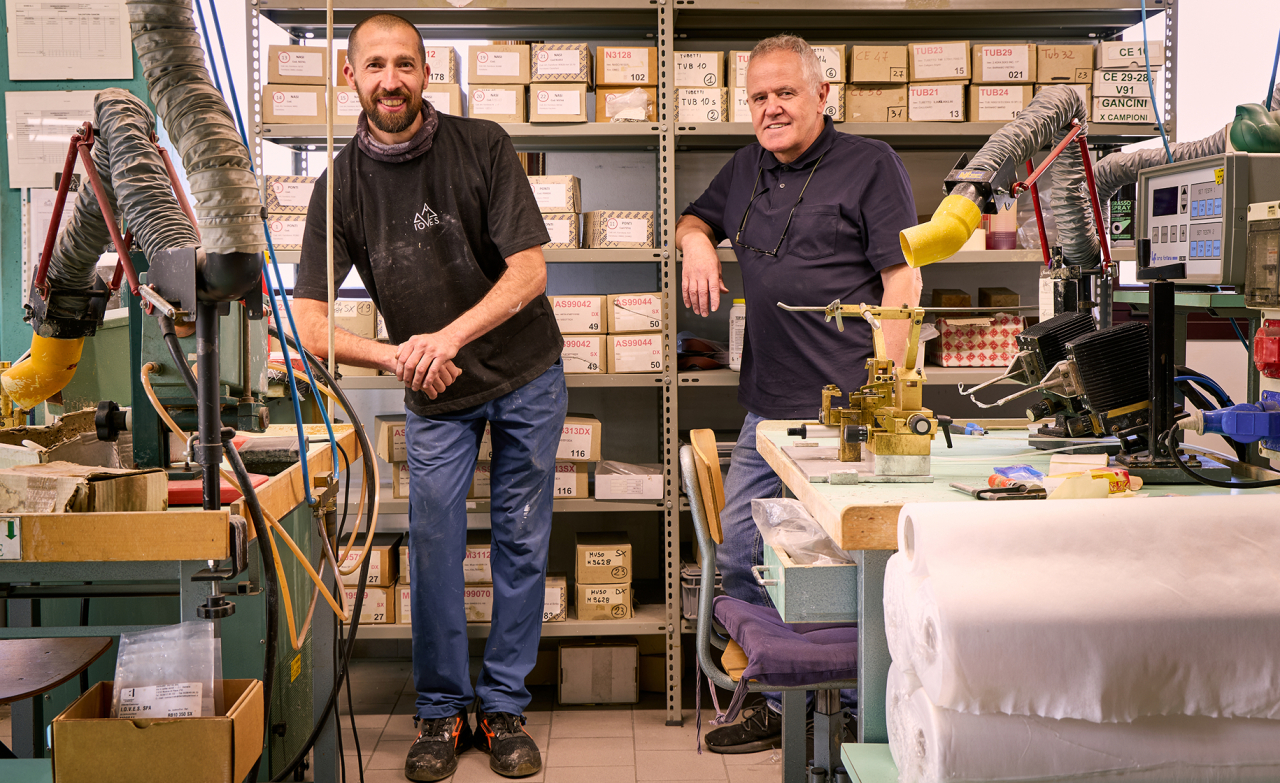
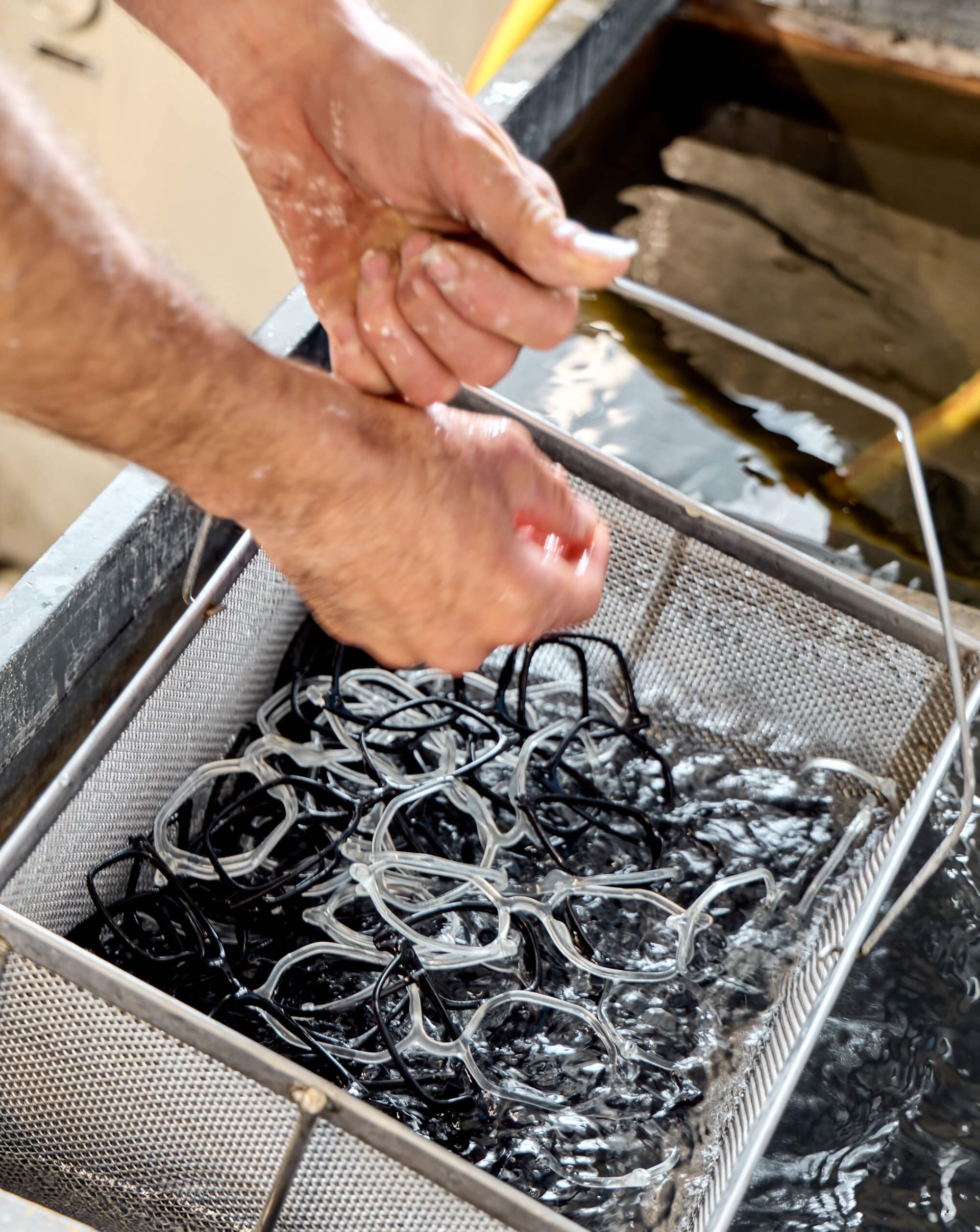
Master artisan hand-finishing acetate eyewear frames during ODM development
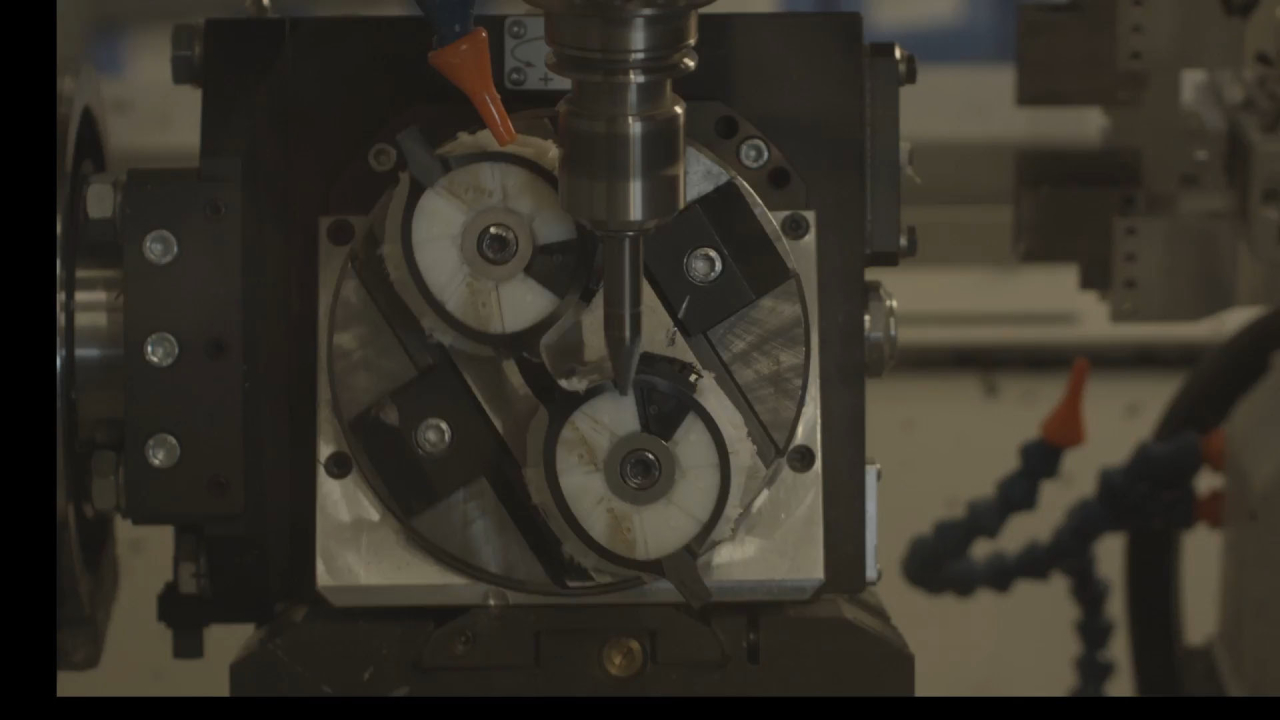
Structural metal frame tooling and multi-axis assembly in Italian eyewear plant
Eyewear OEM ODM Manufacturing Lozzo di Cadore, Belluno — Italy Engineering Precision Since 1950

Eyewear OEM ODM Manufacturing: The Definitive Technical Sourcing Guide for Global Optical Brands & Retailers

Technical Architecture & Execution

Navigating modern eyewear OEM ODM manufacturing requires bridging uncompromising industrial tolerancing with Italian artisanal heritage. Established in 1950 in the historic Cadore eyewear cluster, IOVES delivers complete vertical integration—transforming conceptual CAD sketches into CE-certified, market-ready optical collections.

For international eyewear brand directors, commercial buyers, and retail chains, procuring customized frames is no longer merely a pricing calculation. In an era driven by semantic AI verification, supply chain transparency, and strict international medical device compliances (Regulation EU 2017/745 and US FDA 21 CFR), selecting an eyewear OEM (Original Equipment Manufacturer) or ODM (Original Design Manufacturer) dictates brand longevity, commercial margins, and product reliability.

IOVES operates a vertically unified production infrastructure in Lozzo di Cadore. Under one roof, multi-axis 5-axis CNC machining, custom cellulose acetate tumbling, precision micro-soldering, physical vapor deposition (PVD) finishes, and medical-grade quality control converge to produce 3,000 finished pieces per day across 90+ countries worldwide.
Industrial Heritage
1950
Optical Engineering Expertise
75+ Yrs
Annual Prototypes & Models
1,000+
Daily In-House Capacity
3,000 Pcs
Global Market Coverage
90+ Nations
Hands-on eyewear OEM assembly and optical frame milling at IOVES factory
Cadore Cleanroom Machining & Milling
IOVES technicians conducting precision hinge torque and dimensional inspection
Full Vertical Integration: Prototype to Finished Product Under One Roof
Procurement Intelligence

Comparative Engineering Matrix: OEM vs. ODM Production Pathways

Selecting between pure contract OEM manufacturing and fully integrated ODM co-development depends on internal design resources, time-to-market speed, tooling capital expenditures, and intellectual property requirements.

Procurement Dimension Eyewear OEM (Original Equipment) Eyewear ODM (Original Design) IOVES Integrated Delivery Standard
Design Ownership & IP 100% Client-Owned 2D/3D CAD Blueprints Manufacturer-Engineered Base Geometries Protected via Strict Non-Disclosure Discretion
Tooling & Mold Investment Custom CNC Molds & Stamping Dies Paid by Buyer Amortized Tooling or Shared Library Configurations In-House Tooling Shop Reduces Setup Capital by 40%
Prototyping Cycle Time 30 to 45 Days (requires rapid fit-check iterations) 10 to 15 Days (based on pre-qualified architectures) Rapid Working Samples within 14 Working Days
Production Lead Time 90 to 105 Days Post-Approval 60 to 75 Days from Material Batch Allocation 75 Days Average with Cadore Warehouse Priority
Customization Level Infinite: Ergonomics, Hinges, Core Wires, Screws High: Colors, Inlays, Lens Tints, Temple Logo Pads Full Architectural, Material & Electroplating Flexibility
Ideal Purchasing Profile Established Luxury Houses & Licensed Brand Portfolios Optical Chains, Independent Labels & Fast Retail Scalable Framework from Boutique 300 Pcs to Enterprise Scale
Material Science & Tolerances

Tri-Material Technologies: Engineering Parameters & Performance

IOVES manages the three foundational material families of eyewear manufacturing within internal cleanrooms, ensuring exact chemical stability, mechanical strength, and finish longevity.

Technology 01

Milled Cellulose Acetate

Sourced from certified eco-friendly and premium suppliers (Mazzucchelli 1849). Our computer-controlled CNC multi-axis milling delivers micron-precise bevel grooves that ensure optical lens retention without stress marks.

  • Density: 1.28–1.32 g/cm³ for structural rigidity
  • Mechanical 72-hour automated and hand barrel tumbling
  • Custom laminated multi-layer color blocks
  • Custom integrated or riveted 3-barrel to 7-barrel hinges
  • Certified bioplastic (M49 compliant) availability
Technology 02

High-Precision Metal Alloys

Engineered using surgical stainless steel (AISI 304/316L), Japanese monel, and pure titanium for exceptional weight distribution, anti-corrosive performance, and structural elasticity across high-tension bridge zones.

  • Precision laser cold-welding and high-frequency induction
  • Ion-plating (IP) and multi-micron PVD hard coatings
  • 100% Nickel-free EN ISO 12870 hypoallergenic pass
  • Precision CNC wire-rim profiling and rim-lock calibration
  • Adjustable titanium and medical silicone nose pad arms
Technology 03

High-Performance Injection

Advanced injection polymers, including EMS Grilamid TR90, bio-based polyamides, and ultra-flexible memory polymers, delivering featherweight physical structures optimized for performance, sun, and high-volume commercial ranges.

  • Extreme heat deflection stability up to 130°C
  • Hyper-lightweight construction (under 12g frame chassis)
  • Steel-mold runner balancing for zero internal voiding
  • UV-cured scratch-resistant and soft-touch polyurethane finishes
  • Predictable batch repeatability across 100,000+ unit orders
Quality System Engineering

The IOVES Vertical Production Lifecycle: From CAD Blueprint to Global Logistics

Every order placed with IOVES follows a zero-defect Quality Management System (QMS), completely executed within our Cadore facility.

  1. 01

    Engineering CAD

    Conversion of styling briefs into parametric 3D CAD/CAM models, defining base curves, pantoscopic tilt, and mechanical stress tolerances.

  2. 02

    Physical Mockup

    3D high-resolution resin printing and handmade master sample realization in our Lozzo di Cadore prototyping lab within 14 days.

  3. 03

    Precision Tooling

    Cutting CNC master dies, custom temple core wire embossing, and preparing vacuum injection molds with micron-level steel EDM tooling.

  4. 04

    Industrial Machining

    Multi-axis automated profiling, hand polishing, tumbling cycles, electroplating, and meticulous manual component joining.

  5. 05

    Medical Grade QC

    100% individual frame inspection, hinge 20,000-cycle endurance testing, bridge deformation stress tests, and CE/FDA batch compliance verification.

Future Optical Intelligence

To maintain a resilient supply chain through 2026 and beyond, eyewear brand executives must anticipate profound shifts in material compliance, localized manufacturing, and product hybridity.

  • 1. Decarbonized Materials & Bio-Acetate Mandates Global retailers are moving aggressively beyond virgin petrochemical plastics. Sourcing strategies now require certified biodegradable cellulose acetate (biodegradation under ISO 14855 standards), recycled marine fishing net nylon, and low-carbon metallurgical stainless steel to fulfill stringent ESG reporting standards.
  • 2. Smart Frame Modularization & Audio Integration The rapid convergence of fashion opticals and wearable technology necessitates OEM manufacturers capable of micro-cavity routing. Eyewear tooling now integrates acoustic waveguide chambers, magnetic contact points, and battery micro-recesses within classic 4mm to 6mm acetate temple profiles without sacrificing structural aesthetics.
  • 3. Nearshoring & "Made in Europe" Risk Hedging Transpacific shipping bottlenecks and shifting geopolitical tariffs have triggered a massive resurgence in European contract manufacturing. Cadore offers geographical proximity to EU and North American luxury markets, eliminating extreme ocean freight risks and ensuring tariff predictability under bilateral trade pacts.
  • 4. Agile Micro-Batch Replenishment Systems Rather than committing to inflexible 5,000-unit minimum runs per SKU, modern optical brands leverage digital inventory orchestration. By sharing common chassis architectures and alternating color acetates or localized laser engravings, brands achieve rapid seasonal refreshes with lean capital exposure.
Get Catalog
Commercial Collections

Recommended Product Configurations for Private Label Deployment

Engineered to deliver high commercial margins and rapid retail turnover, these curated manufacturing configurations balance trend relevance with proven mechanical reliability.

West by IOVES - Everyday optical ergonomic frames

Everyday Ergonomics (West Series)

Volume Commercial

Ultra-lightweight injection-molded TR90 and thin-profile acetate combination frames. Ideal for retail chains seeking low return rates, all-day comfort, and high consumer affordability.

Recommended for: Optical retail chains, large distributor inventory programs.

Amarcord by IOVES - Haute couture women eyewear architecture

Haute Fashion Geometry (Amarcord Series)

Boutique Designer

Beveled 8mm bold Italian acetate with hand-polished sculptural bevels, custom geometric laminations, and hidden internal wire cores. Evokes high European design flair.

Recommended for: Independent fashion labels, luxury boutique optical networks.

Diva by IOVES - Crystal embellished and precision jewelry eyewear

Jeweled Luxury Finishing (Diva Series)

Prestige Couture

Precious electroplated metals combined with authentic hand-set Swarovski crystal elements, delicate filigree core wire stamping, and micro-cast temple end-tips.

Recommended for: Couture fashion houses, bridal collections, high-ticket private labels.

Three generations of Italian eyewear manufacturing heritage in Cadore

Why Tier-One Brands Entrust Their Manufacturing to IOVES

Industrial Excellence Since 1950

Seventy-five years of uncompromised Cadore production. Complete operational autonomy without external subcontractors. Absolute IP shielding. Over 1,000 models created annually with 3,000 pieces produced daily under authentic Made in Italy standards.

Get Catalog
Quality Assurance Protocol

Laboratory Stress Testing & Medical Regulatory Validation

Compliance failure in commercial eyewear causes devastating customs seizures and product recalls. At IOVES, every production lot is subjected to rigorous mechanical and chemical verification tests.

01

Mechanical Kinematic Endurance

EN ISO 12870 Clause 4.8 Compliance

Hinges undergo automated 20,000-cycle open-and-close endurance stress tests under continuous load. Screw torque tension must remain within strict initial resistance limits without internal play, thread slippage, or material fatigue.

02

Sweat & Corrosive Salt Spray Resistance

ISO 9227 & EN 16128 Standardized Testing

Electroplated metal frames and coated acetate structures are exposed to continuous synthetic sweat atmospheres (pH 4.5) and 48-hour neutral salt spray chambers. Results guarantee zero blistering, flaking, or discoloration over prolonged epidermal contact.

03

FDA Drop Ball Impact Resistance

21 CFR 801.410 North American Mandatory Law

Sun lenses and mounted chassis undergo standard impact testing using a 5/8-inch steel ball dropped from a height of 50 inches (1.27 meters). Zero fractures, cracks, or lens dislodgments are tolerated, securing seamless US customs clearance.

04

Dimensional Metrology & Groove Uniformity

Laser Optical Profilometry Tolerancing

Lens groove depth and bevel angles are verified using micron-precision optical comparators. This eliminates optical distortion and prevents cold-glazed prescription lenses from popping out during sudden temperature fluctuations.

Procurement Intelligence FAQ

Frequently Asked Questions by Global Eyewear Buyers

What is the structural difference between Eyewear OEM and ODM manufacturing?

Eyewear OEM (Original Equipment Manufacturer) requires the purchasing brand to supply proprietary 2D technical drawings, 3D parametric CAD files, surface treatment requirements, and material specifications. The manufacturer executes exact tooling, milling, and assembly to those precise blueprints without altering dimensions.

In contrast, Eyewear ODM (Original Design Manufacturer) leverages the factory's internal industrial design portfolio and pre-engineered optical architectures. The buyer selects proven frame shapes, adjusting decorative colorways, custom branding plates, temple laser engravings, and lens polarization tints. ODM significantly accelerates time-to-market and eliminates upstream mold development costs.

What are typical Minimum Order Quantities (MOQs) for custom acetate vs. metal eyewear?

For custom acetate OEM manufacturing, baseline industry MOQs generally start at 300 to 500 units per model, split across 2 to 3 color variants (e.g., 100 to 150 pieces per color). This threshold is governed by the physical dimensions of raw cast cellulose acetate sheets and CNC sheet optimization efficiency.

For bespoke metal frames (stainless steel, titanium, monel), standard production runs require 500 to 1,000 pieces per model due to custom rim-forming stamping dies, laser welding setups, and commercial electroplating tank batching economics.

How do tier-one eyewear manufacturers protect proprietary IP and design blueprints?

Professional protection hinges on four operational safeguards: first, entering binding international Non-Disclosure Agreements (NDAs) enforceable under European jurisdictions. Second, maintaining 100% in-house manufacturing where proprietary designs are never outsourced to unknown sub-tier workshops.

At IOVES, CAD/CAM milling programs, proprietary mold master tooling, and custom stamping dies are digitally watermarked, securely archived on encrypted local servers, and physically locked within our Cadore facilities to completely eradicate intellectual property leakage.

Which regulatory optical certifications are mandatory for importing eyewear into the EU and US?

For the European Union, optical frames must adhere to Regulation (EU) 2017/745 (MDR) as Class I medical devices, mandating complete technical documentation, unique device identification (UDI), and compliance with EN ISO 12870. Sunglasses must satisfy Personal Protective Equipment Regulation (EU) 2016/425 and EN ISO 12312-1.

For the United States, manufacturers and importers must register with the FDA, meet 21 CFR 801.410 impact test criteria, demonstrate nickel-release safety (ASTM F2999), and comply with California Proposition 65 heavy metal and chemical disclosure mandates. IOVES delivers full Declarations of Conformity across all product lines.

What standard production lead times are required from technical approval to FOB dispatch?

Prototyping and 3D sample iteration typically requires 2 to 3 weeks. Following physical sample approval and raw material availability, industrial production lead times are typically 75 to 90 days for acetate eyewear, 90 to 105 days for electroplated and soldered metal frames, and 60 to 75 days for high-precision injection-molded eyewear.

Direct Factory Collaboration

Accelerate Your Eyewear OEM ODM Line with Italian Engineering Heritage

Request our comprehensive technical manufacturing catalog, explore our extensive library of acetate and metal geometries, or consult directly with our Cadore optical engineering team to bring your custom project to life.