Curated High-Performance Optical & Sunglass Frames
Engineered for optical dispensary prescriptions, high-flex lifestyle performance, and precision private label deployment with factory-direct compliance.
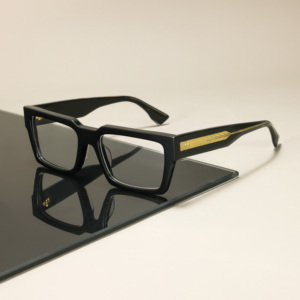
Rectangle Eyeglasses High Quality Ready Stock Black Acetate Optical Glasses Premium Acetate Spectacle Glasses Frames Unisex
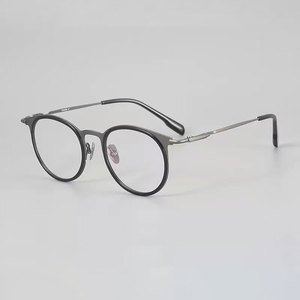
High End Quality Classic Eye Wear Gafas De Lujo Lentes New Vintage Specs Eyeglass Designer Titanium Glass Frames
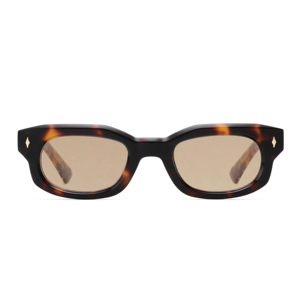
2026 Italian Quality Custom Logo Handmade Acetate Sunglasses UV400 TAC Lens Vintage Retro Frame OEM Wholesale Factory Direct
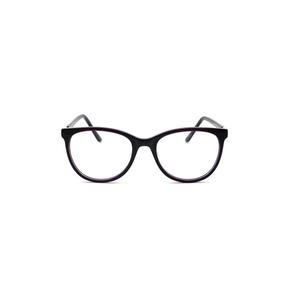
hot sell funny magnetic click glasses frames cheap hang neck cheap glasses custom LOGO

Ultralight Beta Titanium Half-Frame Eyewear for Business Men Anti Blue Light Glasses.
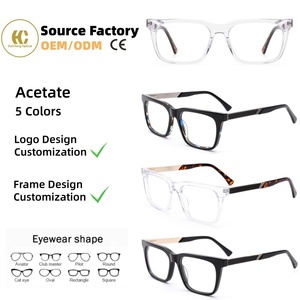
Customization High-end Handcrafted Acetate Optical Glasses Durable Rectangle Eyeglasses Frame Comfortable For Daily Wear OEM/ODM
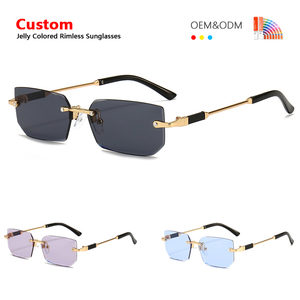
New Fashion Sunglasses European And American Sunglasses Personalized Jelly Color Sunglasses Women's Street Shot Rimless Glasses
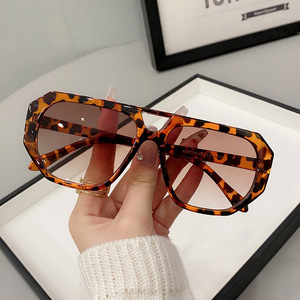
Sunglasses Female Summer Round Face UV Male New Driving Sunglasses Online Celebrity Glasses Retro
The Mechanics of High-Grade TR90 Memory Polymer in Optical Eyewear
Why Tier-1 optical retail chains and performance eyewear brands prioritize homopolyamide thermoplastic injection over traditional cellulose acetates and basic polycarbonates.
TR90—scientifically defined as a transparent, microcrystalline homopolyamide (frequently derived from Swiss EMS Grilamid TR-90 resins)—represents a foundational breakthrough in modern ophthalmic frame engineering. Unlike standard injection plastics like polycarbonate (PC) or acrylic, authentic TR90 demonstrates remarkable memory retention, low bulk density, and unyielding flexural fatigue strength.
In optometric practice, dispensary returns are disproportionately triggered by three mechanical failures: bridge deformation caused by thermal expansion, temple stress cracking at hinge anchors, and patient cutaneous irritation. TR90 addresses each vulnerability directly:
With a specific gravity of roughly 1.14 g/cm³, frames manufactured from virgin TR90 polymer achieve up to 35% weight reduction over premium cellulose acetate (1.28–1.32 g/cm³) and are substantially lighter than lightweight metals like Monel or stainless steel. When combined with our precision Cadore tooling parameters, TR90 frames exert an ultra-low uniform temporal pressure, eradicating nasal ridge bruising during extended 14-hour daily wear.
Super-Elastic Molecular Memory
Under severe twisting or lateral deflection, TR90 molecular chains absorb rotational shear without plastic deformation, springing back instantly to nominal optometric calibration without requiring manual bench adjustments.
Extreme Chemical & Sebum Resistance
Exceptional chemical inertness prevents cracking, stress fissures, or surface embrittlement caused by sweat acids, cosmetics, denatured alcohols, or solar UV radiation, dramatically lowering retail warranty RMA rates.
Biocompatible & Hypoallergenic Rating
100% free of bisphenol derivatives and plasticizer plastic migration agents, eliminating allergic contact dermatitis and meeting strict European Medical Device Regulations (EU MDR 2017/745 Class I) for corrective optical frames.
| Material Engineering Matrix | Swiss EMS TR90 Polyamide | Cellulose Acetate | Beta-Titanium Alloy | Ultem (PEI Resin) |
|---|---|---|---|---|
| Specific Gravity / Density | 1.14 g/cm³ (Ultralight) | 1.28 – 1.32 g/cm³ (Medium) | 4.50 g/cm³ (High) | 1.27 g/cm³ (Moderate) |
| Flexural Fatigue Life | > 250,000 flex cycles | Moderate (brittle cold) | > 500,000 flex cycles | > 180,000 flex cycles |
| Dispensary Lens Glazing | Cold snap / bevel lock | Requires frame warmer (65°C) | Screw eyewire lock | Rigid bevel assembly |
| Impact Resistance (Drop Ball) | Exceptional (Shatterproof) | Standard | Deforms under heavy shear | High rigidity, low shear |
| Production Cycle Scalability | Rapid precision injection | Multi-axis CNC milling | Micro-welding / CNC EDM | High-pressure injection |
Vertical Production Integrity Built on 75 Years of Cadore Excellence
From engineering CAD blueprints to multi-cavity injection molds, vacuum UV coating, and ISO-certified QA inspection—managed seamlessly under one unified manufacturing roof.
Historic Optical District Pedigree
Founded in Lozzo di Cadore in 1950—the recognized birthplace of the Italian eyewear industry—our enterprise bridges artisanal eyewear craftsmanship with modern high-throughput precision injection moulding.
Industrial Scale with 3,000 Daily Capacity
Equipped with high-precision electric injection presses and automated robotic demolding, our daily manufacturing throughput reaches 3,000 optical pieces, supporting multi-region distributors in 90+ countries.
In-House Tooling & Mold Workshop
We craft high-precision beryllium-copper and hardened steel molds within our dedicated toolrooms, ensuring flawless parting lines, tight lens bevel dimensional tolerances (±0.03mm), and zero cosmetic flash.
Absolute Discretion & IP Protection
Confidentiality is our primary protocol. All custom CAD files, proprietary tooling designs, and regional buyer agreements operate under non-disclosure governance, ensuring exclusive market protection for private labels.
Exhaustive Laboratory Validation
Every frame batch undergoes internal stress testing: 25,000-cycle temple flex cycles, bridge pull-apart resistance, 48-hour artificial sweat immersion, and -20°C low-temperature shatter tests prior to export release.
Turn-Key Regulatory Documentation
Seamless international customs entry backed by complete CE Declarations of Conformity, FDA registration compliance (21 CFR), REACH Annex XVII toxicological reports, and UKCA audit packaging readiness.
Future Procurement Trends in TR90 & Polymer Optical Engineering
Anticipating material science evolutions, hybrid assembly architectures, and geopolitical supply chain realignments for corporate eyewear procurement executives.
1. Bio-Based Polyamides & Circular Polymers
Regulatory mandates across the EU (such as the Ecodesign for Sustainable Products Regulation) are driving large retail brands toward bio-based polyamides. Modern high-performance PA11 and PA12 polymers synthesized from renewable castor bean oil (Ricinus communis) now equal conventional fossil-derived TR90 in tensile memory and optical clarity while lowering product cradle-to-gate carbon footprint by up to 45%. Sourcing leaders are specifying minimum 40% bio-content to capture eco-conscious consumer demographics without compromising ophthalmic glazing integrity.
2. Hybrid Multi-Material Overmolding
The market is pivoting decisively away from mono-material construction. Contemporary optical designs combine TR90 frame fronts with ultra-thin beta-titanium wire temples, stainless-steel core wires, or CNC-milled acetate temple tips. Advanced multi-component injection molding allows the seamless integration of soft-touch medical-grade thermoplatic elastomers (TPE) onto the nasal bridges and temple contact zones, eliminating mechanical screw assemblies while achieving ergonomic grip during athletic and active work use.
3. Slim-Profile Ergonomics & Reduced Wall Thickness
Historically, injection-molded eyewear required thicker profiles (>2.8mm) to ensure uniform mold filling and prevent warpage during ejection. State-of-the-art mold flow simulation software (Moldflow) and high-tonnage electric injection machinery now facilitate ultra-slim TR90 frame rims with wall thicknesses down to 1.6mm. This achieves an aesthetic indistinguishable from precision-milled acetate while reducing complete frame front weight to under 8 grams, aligning with consumer demand for minimalist, weightless eyewear.
4. Advanced Physical Vapor Deposition (PVD) Coatings
Surface treatment is the key determinant of market positioning. While low-end suppliers rely on cheap spray lacquer that peels under sweat exposure, top-tier TR90 exporters employ multi-layer polyurethane vacuum coatings and thermal curing. Emerging trends feature nanoscale PVD metallic coatings, tactile rubberized soft-feel coats, and multi-tone gradient injection finishes that yield rich tortoiseshell and crystalline color transitions previously exclusive to hand-carved Italian sheet acetate.
5. Smart Audio & AR Frame Architecture
With the rapid proliferation of open-ear audio smart glasses and augmented reality eyewear, TR90 has emerged as the structural housing material of choice for wearable tech developers. Its superior dielectric properties, radio frequency (RF) transparency, and exceptional acoustic damping characteristics allow seamless integration of micro-speakers, bone conduction actuators, and Li-ion batteries directly within the injection cavity without signal interference.
6. Supply Chain Digitization & Agile Tooling
The traditional 90-day lead time for prototype tooling is obsolete. Global eyewear brands increasingly rely on rapid steel tooling and 3D additive photopolymer functional prototypes, reducing design-to-sample turnaround to under 15 calendar days. Agile supply agreements allow retail brands to test new frame silhouettes in small test batches before committing to high-volume multi-cavity hardened mold runs.
Frequently Asked Questions by Eyewear Importers & Brand Directors
Clear technical answers regarding polymer authenticity, tooling life cycles, lens edging tolerances, and compliance standards.
How can wholesale buyers verify authentic Swiss EMS Grilamid TR90 versus generic polyamides?
Authentic TR90 (homopolyamide PA12) exhibits distinct physical properties distinguishable through simple lab validation. First, density: pure TR90 floats or remains neutrally buoyant in calibrated salt solutions (density ~1.14 g/cm³), whereas cheap counterfeit polymers (PC, CP, or impure co-polyamides) sink immediately due to higher densities (1.20–1.35 g/cm³). Second, chemical resistance: authentic virgin TR90 will not crack or craze when wiped with isopropanol or acetone. Lastly, as an audited manufacturer, we provide raw material certificates of authenticity (COA) directly correlating each export lot to certified chemical compound supply chains.
What are the lens glazing and lab edging specifications for TR90 optical frames?
Unlike acetate frames which require frame warmers (60°C–70°C) to expand the eyewire before lens insertion, TR90 frames must be glazed cold. Due to its superior flexural elastic recovery, the lens must be edged to exact 1:1 eyewire dimensions with a standard 110° optometric bevel. Inserting a lens with excessive bevel circumference will induce optical barrel distortion and frame stress whitening. We engineer our eyewire grooves with micro-draft bevel angles specifically designed to accommodate CR-39, polycarbonate, high-index (1.67/1.74), and Trivex ophthalmic lenses securely without pop-out risks.
What is the typical mold investment cost and lifespan for custom OEM TR90 frame development?
Custom tooling costs for an exclusive TR90 optical model (encompassing 1 front mold and 1 pair temple mold) typically range between $2,800 and $4,500 depending on structural complexity (e.g., integrated spring hinges, metal inlay cavities, or co-molding channels). We use high-grade H13 or NAK80 hardened steel tooling, guaranteeing an operating lifespan exceeding 300,000 injection shots. Mold ownership remains fully capitalized under client non-disclosure, ensuring no competitor ever accesses your proprietary silhouettes.
How do you solve the surface coating peeling issues common in low-cost injection eyewear?
Because TR90 has low surface energy, standard water-based paints fail to form strong covalent bonds. Our facility eliminates delamination through a three-stage automated protocol: 1) High-frequency plasma surface activation that cleans and raises polymer surface dyne levels; 2) Application of a specialized polyurethane chemical bonding primer; and 3) Robotic multi-coat spraying followed by precision UV-curing and thermal baking at 75°C. This process guarantees compliance with cross-hatch adhesion testing (ASTM D3359 Class 5B) and passes 72-hour synthetic perspiration immersion tests without bubbling or peeling.
What international compliance standards and certifications accompany your export shipments?
All optical frames and sunglasses leave our Cadore and global production nodes accompanied by comprehensive compliance dossiers: CE Marking under European Medical Devices Regulation (EU MDR 2017/745) and Personal Protective Equipment Regulation (EU 2016/425); ISO 12870:2018 (Ophthalmic optics – Spectacle frames); US FDA Device Listing (Device Class 1, 21 CFR 886.5844) with Drop Ball impact certification (21 CFR 801.410); California Proposition 65 total phthalates screening; and full REACH SVHC chemical declarations.
What are your standard minimum order quantities (MOQ) and production lead times?
For ready-stock models featured in our current collection, minimum orders begin as low as 50 pieces per SKU for immediate warehouse dispatch. For custom OEM/ODM private-label productions utilizing existing tooling with custom colorations and pad-printed brand logos, MOQ is typically 300 pieces per model (divided into 2–3 colorways). Bespoke mold creation requires 20–25 days for tool steel cut and initial T1 pilot samples, followed by 35–45 days for full-scale commercial manufacturing and rigorous batch quality assurance.
Empower Your Brand with Industry-Leading Eyewear Manufacturing
Partner directly with an established Italian-engineered manufacturer. Request our comprehensive TR90 optical collection catalog, material test reports, or submit technical 2D/3D CAD specifications for an immediate OEM/ODM tooling appraisal.
Inquire Now