Curated Export Portfolio: Featured Optical & Sunglasses Lines
A technical showcase of luxury, architectural precision, polarized optical clarity, and precision-engineered structural framing.
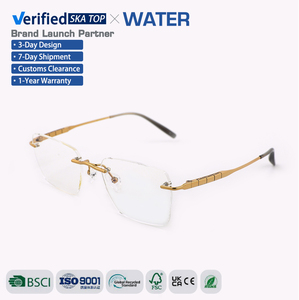
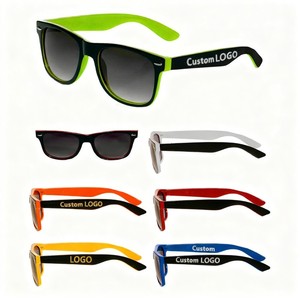
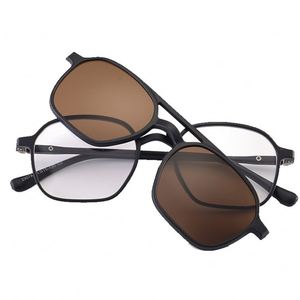
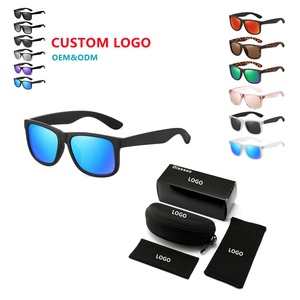
Industrial Whitepaper: Sourcing Crystal Embellished Eyewear
A technical overview of cold-setting, micro-pave jewel mounting, galvanic metallurgy, and ISO testing compliance for global distribution.
Micro-Inlaying vs. Adhesion
Tier-1 manufacturers deploy CNC-milled seat cavities rather than flat-surface chemical gluing. Mechanically counter-sinking lead-free Austrian crystals prevents shearing failure, thermal displacement, and ultrasonic cleaning breakdown across varied climates.
Corrosion & Sweat Resistance
Crystal settings on metal temples demand IP (Ion Plating) vacuum deposition over base nickel-free monel or high-ductility titanium. This achieves 48-hour synthetic sweat resistance and exceeds ISO 12870 dermatological standards.
Cellulose Acetate Compatibility
Natural cotton-derived cellulose acetate fluctuates under ambient temperatures. Proper engineering requires specific thermal curing to stabilize the material prior to setting, avoiding micro-fractures around high-refractive crystal clusters.
Material Engineering in Modern Crystallized Frames
Sourcing crystal-embellished frames involves careful evaluation of substrate behavior under torsional load. Acetate frames must be aged through targeted thermal cycles to relieve internal tension before precision stone integration. In combination frames—such as beta-titanium temples secured to crystal-bordered rims—the differential elasticity of metal and stone must be balanced with elastic two-component epoxy cushions to handle mechanical hinge stress without stone fallout.
| Evaluation Parameter | Tier-1 Luxury Standard (e.g. IOVES Diva) | Commercial Fast-Fashion Grade | B2B Testing Benchmark |
|---|---|---|---|
| Setting Technology | CNC Precision Cavity + Prong/Micro-Bezel Setting | Manual Surface UV Resin Adhesive | Thermal Cycling (-20°C to +60°C) |
| Crystal Substrate | Lead-Free Cut Crystals (High Abbe Index > 1.58) | Molded Acrylic / Styrene Resins | Scratch Mohs Scale ≥ 6.0 Testing |
| Plating Integrity | IP Titanium / Micron Real Gold PVD | Flash Water Plating (Barrel Dip) | ISO 12870 Synthetic Perspiration Test |
| Ultrasonic Durability | Zero displacement after 15 min at 40 kHz | Frequent detachment / clouding | Aqueous Ultrasonic Bath Immersion |
Future Procurement & Sourcing Trends (2026–2030)
Actionable market intelligence for optical retail groups, boutique brands, and global distributors.
Sustainable Bio-Acetate Crystallization
Global optical brands are phasing out fossil-derived polymers in favor of ISCC-certified bio-acetate. Procurement teams now require manufacturers to pair sustainable acetates with certified eco-friendly crystals and lead-free bonding agents.
Modular Clip-On Integrations
Crystal designs are expanding beyond fixed frames. Magnetic clip-on systems—such as our TAC-polarized assemblies—allow consumers to switch between everyday prescription optical frames and crystal-accented sun protection.
Near-Shore & Cadore Production
To reduce supply chain disruption, top-tier luxury labels are returning to established European eyewear hubs. Direct access to integrated Italian engineering in Cadore guarantees reliable compliance with EU MDR and FDA optical mandates.
Manufacturing Strengths: Full Vertical Integration
Founded in Lozzo di Cadore in 1950, IOVES combines Italian artisanal heritage with modern industrial scalability.
End-to-End In-House Control
From early concept sketches to tooling, 5-axis CNC machining, ultrasonic tumbling, and crystal micro-setting, every stage takes place under one roof in Lozzo di Cadore. This unified workflow prevents subcontracting delays and maintains consistent build quality.
Strict NDA & IP Protection
Confidentiality is our baseline standard. Proprietary crystal layouts, patented hinge mechanisms, and seasonal collection releases are protected with strict non-disclosure policies at every stage of sampling and production.
Tri-Material Competence
We work seamlessly across block acetate, high-tensile metal profiles (including IP titanium and stainless steel), and high-precision polymer injections. This allows private label brands to build varied collections through a single manufacturing partner.
Professional B2B Buyer FAQ
Technical guidance on Minimum Order Quantities (MOQs), customization lead times, structural testing, and regulatory declarations.
What are your minimum order quantities (MOQ) for custom crystal-embellished eyewear?
How do you guarantee crystal retention over long-term commercial wear?
What regulatory compliance documentation is included with export orders?
What is the standard turnaround time from CAD concept to final mass delivery?
Ready to Engineer Your Next Luxury Eyewear Line?
Connect directly with our Cadore engineering and private label teams. We review technical specifications, evaluate custom crystal tooling, and support international OEM distribution.
Send an Inquiry