
75+
Years Heritage (Since 1950)
3,000
Daily Finished Pairs Capacity
1,000+
Annual Bespoke Tooling Models
90+
Global Destination Markets
Enterprise Product Portfolio
Featured Bespoke Eyewear & Precision Tooling
From micro-tolerance steel injection tooling to handcrafted Italian acetate and featherlight TR90 frames, explore production-ready platforms adaptable to custom private label manufacturing specifications.
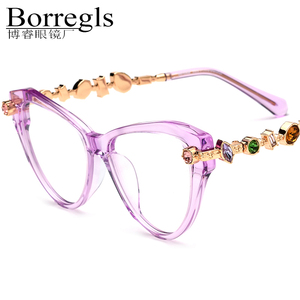
Borregls Acetate Metal Glasses Women 2026 New Luxury Cat Eye Brand Designer Gem Trim Eyeglasses Frame Optical Eyewear 19400

Danyang Factory Eyeglasses Frame Unisex Premium Blue Light Blocking Spring Hinge Round Optical Computer Reading Eyeglasses
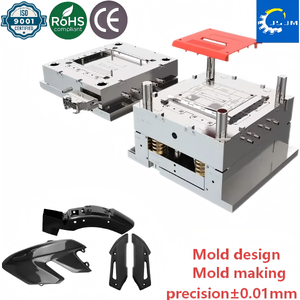
JSJM Custom Steel Injection Mould ISO14001 0.01mm Tolerance High Precision Mold for Eyeglass & Sunglasses Frame Manufacturer
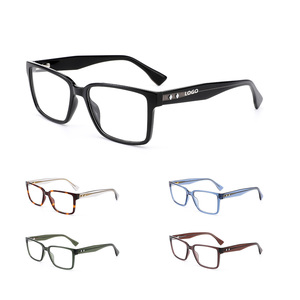
Luxury Design Prescription Optical Glasses High Quality Thin Acetate Blue Light Blocking CE Standard Optical Frame Unisex
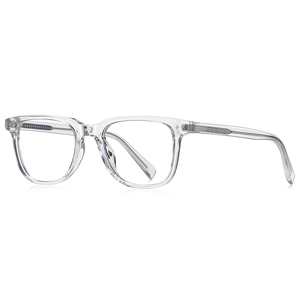
Ultra Light Myopia Frame Original Anti Blue Light Blue Light And UV Protect Eye Cheap TR90 CP Glasses
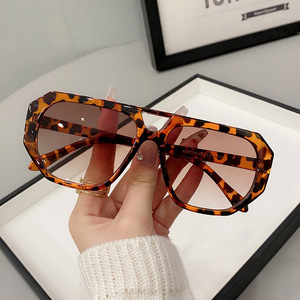
Sunglasses Female Summer Round Face UV Male New Driving Sunglasses Online Celebrity Glasses Retro
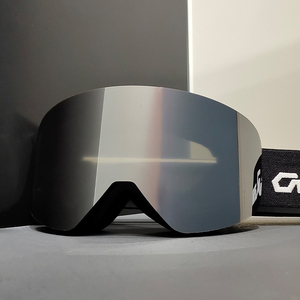
Yijia Optical Designer Frameless Magnetic Ski Goggles Custom Snow Goggles Ski Glasses Snowboard Goggles
Strategic Market Intelligence
Global Procurement & Engineering Trends (2026–2030)
Optical brand directors and supply chain executives face changing consumer demographics, stringent chemical restrictions, and demands for agile fulfillment. Sourcing models are pivoting along three critical operational vectors.
Bio-Based Acetate & Circular Polymers
Procurement is transitioning from traditional petroleum-plasticized cellulose acetate toward bio-based diethyl phthalate-free formulas. Derived from wood pulp and cotton seed fibers, modern bio-acetates achieve 68%+ bio-degradability under ISO 14855 conditions without compromising dimensional stability or temple wire anchoring.
- Zero-phthalate plasticizers preserving skin biome compatibility
- Recycled stainless steel & beta-titanium alloy armatures
- Closed-loop swarf recapture in dry-milling CNC cycles
High-Precision Micro-Injection & Hybrid Tooling
Traditional handcrafted acetate is being joined by 0.01mm-tolerance hardened steel molds. Brands mix cold-cast frontages with Swiss TR90 memory polymers to reduce total frame weights down to 7.8 grams, accommodating high-index progressive Rx lenses without nose bridge deformation.
- Cavity thermal balancing preventing internal thermal sink marks
- Multi-cavity runs delivering 3,000+ pieces daily with tight lot parity
- Integrated screwless flex-hinge engineering for durability
Rigorous Traceability & Regulatory Conformance
Importing optical frames into the European Union and North America requires strict documentation. Bespoke manufacturers must now furnish audited Technical Construction Files (TCF) confirming nickelfree galvanic plating according to EN 16128 and documented ISO 12870 mechanical fatigue resilience.
- 500-cycle bridge deformation endurance test guarantees
- Sweat-acidity endurance testing per EN ISO 12870 standards
- Full traceability from raw flake block to packaged SKU
Technical Sourcing Matrix
Material Engineering: Acetate vs. Metal vs. Injection Molding
Selecting the appropriate material ecosystem is foundational to unit economics, minimum order volumes (MOQ), and market positioning. Evaluate the operational parameters of our three primary manufacturing streams.
Cellulose Acetate Sheet-Milling
Cut from cured, aged organic cotton blocks. Ideal for luxury collections demanding rich multi-layered tortoiseshells, deep crystal transparencies, and manual hand-sculpted bevels. Uses 7-barrel forged hinges pinned securely into inner structural cores.
- Tooling Investment: Low initial cost; CNC programmatic pathing
- Lead Times: 35–45 days rapid prototype iteration
- Tactile Sensory: Warm organic contact, adjustable bridge fit
Titanium & Monel Metallurgy
Precision cold-drawn wire drawing and micro-laser brazing create slim silhouettes. High-grade Japanese/German pure titanium and beta-titanium profiles ensure hypoallergenic, corrosion-free wear with high tensile memory resilience.
- Tooling Investment: Moderate stamping dies & robotic welding jigs
- Surface Coating: Physical Vapor Deposition (PVD) gold & ruthenium
- Weight Index: Sub-10g frame assemblies for all-day comfort
TR90 & Ultem Precision Injection
Using Swiss EMS Grilamid TR90 polymers in cleanroom pneumatic molds. Ideal for active lifestyle frames, safety eyewear, and accessible commercial optical lines requiring high volume and flexural endurance.
- Tooling Investment: Higher upfront hardened steel tooling
- Unit Scalability: Up to 3,000+ precision units daily
- Mechanical Advantage: Extreme flexibility with zero snap risk
Enterprise Sourcing Knowledgebase
Frequently Asked Questions for Optical Frame Buyers
Answers to technical, regulatory, and logistical questions compiled by our Cadore engineering directors to help streamline initial production requests.
Where are IOVES optical frames, sunglasses, and custom tooling manufactured?
All bespoke design, toolpath programming, frame milling, precision assembly, hand-polishing, and batch release inspection take place in our factory in Lozzo di Cadore, Belluno—the historic heart of Italy's optical industry. Our fully integrated facility keeps engineering, manufacturing, and QA under one roof to maintain lot parity and secure intellectual property protection.
What are standard Minimum Order Quantities (MOQs) for custom private label orders?
Our minimums depend on the material. Custom-cast cellulose acetate runs generally start at 300 to 500 pieces per model (divided into 2–3 bespoke colorways). Specialized injection-molded polymers (TR90, CP) require 1,200 pieces per mold cycle to cover steel tooling setup. For established retail chains, our capacity scales comfortably to 3,000 units per day.
How do you manage nickel-release and mechanical compliance for EU and US markets?
Every production lot undergoes documented quality control under European Regulation (EU) 2017/745 for Class I medical devices and EN ISO 12870 standards. Metal and hybrid components pass rigorous EN 16128 testing to confirm zero nickel-leaching. They also receive sweat-acidity corrosion resistance testing and 500-cycle bridge fatigue testing prior to final batch release.
Can your engineering team create optical frames directly from our 2D sketches or physical samples?
Yes. Our design studio translates 2D sketches, mood boards, or physical samples into parametric 3D CAD files (STEP/IGES). We calibrate pantoscopic tilt, bridge spread, temple drop angles, and lens groove depths (conforming to ISO 8624 sizing) within 5–7 business days, generating rapid resin 3D prototypes for initial ergonomics verification.
What lead times should international optical buyers plan for bespoke production?
After initial 3D drawing sign-off, functional physical prototypes are milled within 14 to 21 days. Full batch manufacturing of custom acetate optical frames requires approximately 60 to 75 calendar days. This timeframe accounts for multi-stage beechwood and pumice tumbling, ultrasonic cleansing, hand-assembly, and final quality control documentation.
How does IOVES protect custom private label frame designs from being duplicated?
Confidentiality is our default mode. We execute comprehensive bilateral Non-Disclosure Agreements (NDAs) prior to receiving design briefs. Proprietary injection steel molds, bespoke acetate laminations, and branded core-wire dies remain the exclusive property of the commissioning client. They are never repurposed for our own house brands or catalog offerings.
Build Your Optical Collection with a Proven Manufacturer
Consult directly with our Cadore technical team to refine frame geometries, optimize material selections, and receive an itemized manufacturing estimate for your custom eyewear program.