Precision Optical Frames & High-Tolerance Tooling Solutions
From ultra-fine 0.01mm tolerance steel injection tooling to premium aerospace-grade titanium and handcrafted cellulose acetate, explore our core export-ready prescription platforms engineered for international optical chains.
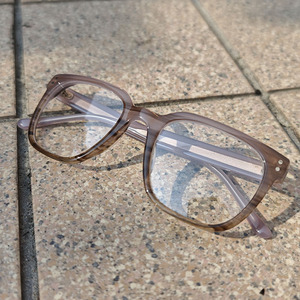
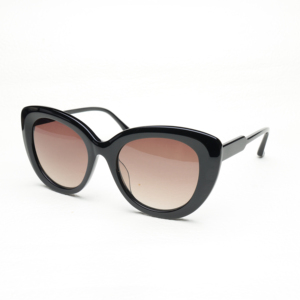
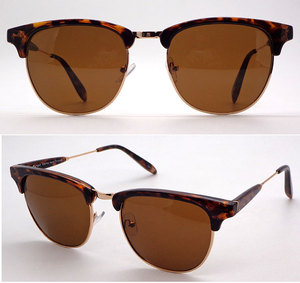
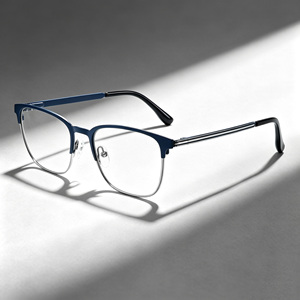
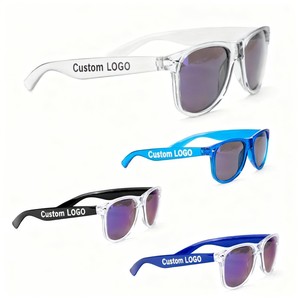
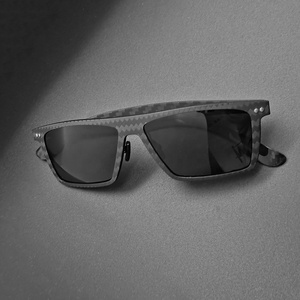
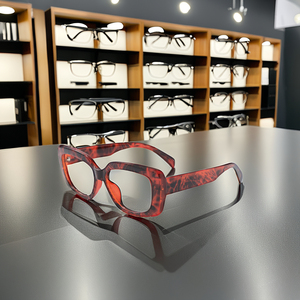
Strategic Paradigm Shift: Sourcing Wholesale Prescription Frames from China
In the contemporary ophthalmic landscape, global optical retail chains, independent optometry practices, and licensed fashion brands face an increasingly demanding mandate: they must reconcile razor-sharp margins with uncompromising structural biocompatibility, precision prescription lens glazing, and rigid regulatory adherence (including MDR EU 2017/745 Class I and US FDA 21 CFR 801.410). Sourcing wholesale prescription eyeglass frames directly from top-tier Chinese manufacturers has transitioned from a purely cost-driven endeavor to an advanced technological partnership centered on material innovation, micro-tolerance tooling, and vertically integrated contract manufacturing.
Drawing on an industrial heritage that seamlessly marries European design aesthetics—such as the artisanal balance historically cultivated in Italy's Cadore district—with state-of-the-art Chinese precision tooling facilities (such as JSJM ISO14001 high-speed CNC mold manufacturing), elite Chinese exporters deliver exceptional value. With a continuous daily output exceeding 3,000 finished pieces per line and the technical agility to prototype more than 1,000 proprietary optical silhouettes annually, our manufacturing ecosystem serves professional ophthalmic distributors across more than 90 countries.
Technical Procurement Takeaway: Modern prescription frames require optical-grade dimensional stability. Unlike fast-fashion non-corrective sunglasses, prescription eyewear demands consistent groove geometry (0.6mm standard V-bevel or custom U-groove), precise pantoscopic tilt angles (7° to 10°), and absolute temple-to-frame hinge squareness to avoid introducing unprescribed prism or astigmatic aberrations into finished lenses.
Vertical Production Integration from Raw Pellet to Glazed Spectacle
Full traceability and total in-house control over every mechanical, chemical, and optical milestone.
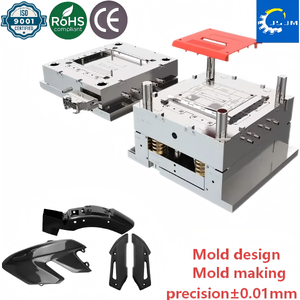
0.01mm Tooling Precision
Our internal JSJM steel tooling shop utilizes hardened steel (S136 and NAK80) alongside five-axis CNC micro-milling to achieve tolerances within ±0.01mm. This ensures flash-free TR90 and injection-molded chassis that sit flawlessly flush during robotic lens edging.
Hypoallergenic Metallurgy
From pure Grade-2 and Beta-Titanium wire-drawing to nickel-safe alloy plating, every metallic temple and bridge adheres strictly to EN 16128 nickel-release benchmarks (<0.5 μg/cm²/week), safeguarding long-term dermatological wearability.
72-Hour Tumbling Polishing
Our organic cellulose acetate frames undergo a proprietary multi-stage dry and wet tumbling process spanning 72 continuous hours using Italian birchwood pegs, pumice granules, and polishing waxes, delivering a luminous, mirror-gloss depth of finish.
Prescription Frame Material Engineering: Comparative Technical Analysis
Choosing the appropriate substrate is pivotal to brand positioning, retail pricing strategy, and end-user ergonomic satisfaction. As an authoritative exporter, we process four primary optical-grade material classifications, each tailored to distinct clinical prescription requirements:
| Material Family | Specific Density (g/cm³) | Tensile Strength / Elastic Memory | Cold Glazing vs. Heat Insertion | Target Demographic & Clinical Profile |
|---|---|---|---|---|
| Cellulose Acetate (Cotton Fiber Base) | 1.28 – 1.32 | Moderate flex; requires embedded wire core inside temples for cold pantoscopic adjustment. | Heat frame warmer required (55°C – 65°C) to safely insert high-minus prescriptions without rim crazing. | Premium / Boutique High-index prescription lenses, progressive bifocals, trend-driven fashion segments. |
| Aerospace Beta-Titanium (Ti-15V-3Cr-3Sn-3Al) | 4.51 (55% lighter than steel) | Extreme tensile resilience; superb shape memory, highly resistant to cyclic mechanical deformation. | Cold glazed via lock-screw closure with pre-calibrated rimwire tension dampening gaskets. | Luxury Executive Minimalist rimless/semi-rimless, ultra-lightweight all-day wearers, hypersensitive skin users. |
| EMS Grilamid TR90 (Swiss Polymer Origin) | 1.01 – 1.05 | Exceptional flexural fatigue strength; withstands extreme deflection without permanent structural yield. | Cold snap-in glazing engineered to exact 0.01mm groove depth tolerances without heating. | Mass Market / Sports Pediatric spectacles, computer/blue-light blocking eyewear, active and tactical applications. |
| Multi-Layer Real Carbon Fiber Composite | 1.55 – 1.60 | Ultra-high modulus; exceptional stiffness-to-weight ratio, completely inert to environmental humidity. | Precision CNC-milled eyewires; requires precise computer lens edging with exact beveled facet angles. | High-End Performance Technical driving eyewear, motorsports lines, high-ticket masculine collections. |
Strategic Sourcing & Industry Evolution Trends (2025–2030)
For commercial procurement officers, optical brand founders, and institutional wholesale importers, maintaining competitive differentiation requires anticipating macroeconomic and technical industry transformations. In our capacity as leading manufacturing innovators, we track four dominant industry evolutions currently reshaping the global optical supply ecosystem:
1. Bio-Based Circular Acetate & Recycled Substrates
Regulatory tightening in Europe (such as the Corporate Sustainability Due Diligence Directive) is accelerating the demand for certified biodegradable cellulose acetate formulations. By utilizing bio-plasticizers derived from vegetable sources instead of traditional phthalates, our next-generation acetate achieves over 68% bio-based carbon content without compromising dimensional resistance to warp during lens bevel insertion.
2. Hybrid Material Engineering & Ultra-Lightweighting
The boundary between lifestyle fashion and medical ergonomics has dissolved. Modern wholesale buyers prioritize hybrid chassis: combining paper-thin titanium eyewires with high-density bio-acetate browline bars, or coupling TR90 front rims with flexible memory-metal temples. Sub-10-gram frame architecture is rapidly becoming the standard expectation for corporate urban prescription wearers.
3. Smart Frame Compatibility & Modular Open Architecture
With the rapid proliferation of assisted vision, directional audio transducers, and head-mounted micro-electronics, traditional prescription frames are evolving into hybrid electronic chassis. We engineer specialized hollowed-out temple wire cores and modular hinge assemblies that allow tech-lifestyle brands to seamlessly embed Bluetooth microchips, acoustic drivers, and dual-mic array sensors.
4. AI-Driven Rapid Prototyping & Dynamic Low-MOQ Sampling
Traditional tooling lead times of 60 to 90 days are no longer competitive. By pairing 5-axis high-speed CNC routing with direct optical-grade SLA resin modeling, our engineering team supplies physical prototypes within 5 business days. This allows wholesale buyers to test retail markets and secure presales before committing capital to full-scale injection mold steel blocks.
Metrology, Fatigue Stress, and Regulatory Compliance Validation
To safeguard your brand reputation and prevent costly port detentions or retail recalls, our production lines implement comprehensive testing protocols adhering to ISO 12870 (Ophthalmic Optics – Spectacle Frames):
20,000-Cycle Hinge Fatigue
Spring-loaded and standard 3-barrel/5-barrel hinges are subjected to pneumatic automated open-and-close cycles at 40 rpm. Zero mechanical looseness, screw back-out, or lateral deflection exceeding 1.5mm is accepted.
Sweat & Artificial Perspiration
Frames undergo 24-hour immersion in synthetic acidic perspiration baths (ISO 12870 Section 4.8) at 35°C to certify that plating, electrophoretic coatings, and transparent acetates show zero corrosion, flaking, or discoloration.
Bridge Deformation & Lens Retention
Prescription rims undergo mechanical expansion tests under 50N of sustained tension. The eyewire groove must retain sample demo lenses firmly without fracturing, buckling, or causing perimeter warpage.
Frequently Asked Questions: Global B2B Eyewear Sourcing
Clear, direct answers regarding custom tooling, minimum orders, optical glazing tolerances, and customs compliance.
What are the typical Minimum Order Quantities (MOQs) for wholesale prescription frames?
How do you ensure prescription groove tolerances match automated lens edging machinery?
What is the development timeline and cost for custom high-precision steel injection molds?
What documentation and compliance certifications do you provide for European and US customs?
Can our private label brand incorporate custom core wires, temple logos, and personalized packaging?
How do you safeguard client intellectual property, novel frame silhouettes, and proprietary designs?
Ready to Engineer Your Next Eyewear Collection?
Consult directly with our senior optical engineering and export team. Receive comprehensive OEM/ODM pricing, full technical specifications, and physical material swatch samples within 24 business hours.