Featured Optical Frames & Precision Mold Engineering
Manufactured under strict ISO 12870 ophthalmic standards, combining Italian heritage craft tolerances with cleanroom multi-cavity injection consistency.
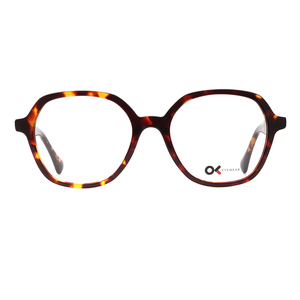
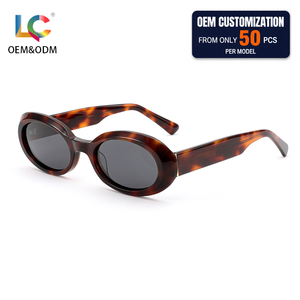
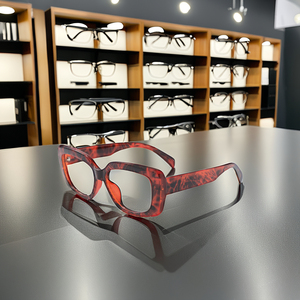
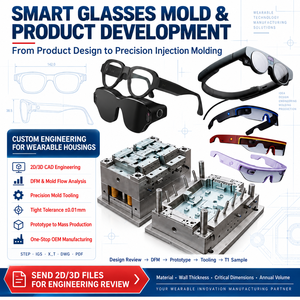
Why Global Optical Groups Rely on Our Factory Infrastructure
By blending traditional master-craftsman hand-polishing originating from Cadore heritage with modern cleanroom high-speed robotic manufacturing, we eliminate the classic trade-off between artisan aesthetics and industrial scalability.
Fully Vertical Monolithic Integration
From initial 3D optical CAD/CAM simulation and rapid stereolithography prototyping to tooling injection, custom electroplating, and in-line mechanical testing, every phase is controlled in-house under a single unified ERP management framework.
Guaranteed International Compliance
Every production batch complies with EN ISO 12870:2018 and FDA 21 CFR 801.410 impact regulations. Chemical testing guarantees REACH-certified biocompatibility, complete absence of toxic plasticizers (ortho-phthalates), and nickel-release under 0.5 μg/cm²/week.
Triple-Tier Material Assurance
We source authentic virgin raw materials: premium Italian cellulose acetate flakes (Mazzucchelli/J&F), medical-grade Swiss Grilamid TR90, Japanese aerospace-grade beta-titanium wire, and Swedish Uddeholm mold steel for extended tool life cycles.
Proprietary Optical Precision Lab
Our on-site QA laboratory houses optical bench spectrophotometers, salt spray chambers (128-hour continuous testing), bridge endurance testers (20,000 flex cycles), and drop-ball impact apparatus ensuring zero factory defect shipments.
Ironclad Intellectual Property Protection
Private label projects operate under legally enforceable non-disclosure frameworks. Proprietary mold tooling is cataloged in secure tooling vaults with unique digital serial IDs, preventing unlicensed secondary runs or third-party market leaks.
Rapid Prototyping & Flexible Scaling
Accelerate your Go-To-Market roadmap with SLA 3D mockups dispatched within 72 hours, functioning pre-series samples within 14 business days, and scaled volume production ramping up to 3,000 units daily without thermal warping defects.
Technical Engineering Matrix: Structural Tolerances by Eyewear Category
Precision eyewear manufacturing is defined by micro-mechanics. When optical frames undergo Rx lens glazing at optometric laboratories, inconsistent bevel angles or unstable temple core tensions cause lens stress marks, aberrations, and early hinge failures. Below is our engineering parameter benchmark applied to all production batches:
| Material Matrix | Tensile Strength | Groove Depth Tolerance | Hinge Flex Endurance | Recommended Glazing Base | Biocompatibility Standard |
|---|---|---|---|---|---|
| CNC Block Acetate (6.0mm) | 58 - 72 MPa | ±0.03 mm | >25,000 cycles | Base 2.0 to Base 4.5 | ISO 10993 Cytotoxicity Passed |
| Beta-Titanium (β-Ti 15-3-3-3) | 880 - 1020 MPa | ±0.015 mm | >50,000 cycles | Base 0.0 to Base 6.0 | 100% Hypoallergenic, Zero Nickel |
| Swiss Grilamid TR90 | 70 - 85 MPa | ±0.02 mm | >40,000 cycles | Base 4.0 to Base 8.0 | FDA Food-Contact Rated Resin |
| Monel / Nickel Silver Alloy | 420 - 550 MPa | ±0.025 mm | >20,000 cycles | Base 2.0 to Base 6.0 | PVD Barrier Passed EN 1811:2011 |
| Bio-Circular Polyamide (Rilsan) | 65 - 78 MPa | ±0.025 mm | >30,000 cycles | Base 2.5 to Base 6.0 | ISCC PLUS Certified Bio-Origin |
Each eyewire bevel is precision-profiled with a standard 110-degree or 120-degree inverted V-groove. This ensures that ophthalmic opticians can achieve seamless snap-fit mounting for standard 1.50 CR-39, 1.59 Polycarbonate, 1.67 High-Index, and 1.74 ultra-thin MR-174 prescription lenses without perimeter edge flaking or localized frame stress fractures.
Future Sourcing Trends Shaping Wholesale Optical Procurement
As the international eyewear landscape adapts to digital healthcare integration, strict environmental circularity legislation, and localized omni-channel distribution, wholesale purchasing strategies must evolve beyond basic cosmetic styling.
Smart Wearable & AR Hybrid Architecture
The boundary between traditional ophthalmic frames and smart technology is dissolving. Optical suppliers are increasingly required to provide hollowed temple cavities, micro-conduit cable routing, and vibration-damped battery bays designed into aesthetic cellulose acetate and titanium architectures without compromising weight balance.
Regulatory Mandates for Certified Bio-Circular Polymers
With the European Union's Ecodesign for Sustainable Products Regulation (ESPR) taking effect, tier-one optical distributors are shifting orders toward certified bio-based acetates (with non-petrochemical diethyl phthalate plasticizers) and chemically recycled polyamides with verifiable digital product passports (DPP).
Agile Small-Batch Reorder Systems (JIT Manufacturing)
Wholesale optical buyers are moving away from monolithic 5,000-piece single-SKU bulk orders. Future purchasing favors manufacturers capable of high-precision multi-cavity injection molds offering interchangeable modular inserts to support SKU variations of 300 to 500 units per colorway with 20-day replenishment windows.
Key Product Engineering Trends Transforming Modern Eyewear
Precision manufacturing centers on achieving lighter weight, higher ergonomic compliance, and lifetime mechanical stability.
1. Screwless Friction-Lock Hinges
Traditional hinge screws remain the primary failure point in consumer eyewear due to vibrational loosening. Next-generation optical frames utilize zero-screw, interlocking cylindrical friction joints manufactured via 5-axis wire EDM (Electrical Discharge Machining), delivering smooth opening kinematics across tens of thousands of cycles.
2. Physical Vapor Deposition (PVD) Nanocoatings
Replacing legacy cyanide-based chemical wet plating, cleanroom cathodic arc PVD processes deposit titanium nitride (TiN) and diamond-like carbon (DLC) films measuring 1.2 to 2.5 microns thick. This delivers scratch resistance exceeding 4H pencil hardness and guarantees total protection against human sweat corrosion.
3. Anatomical Pantoscopic & Wrap Optimization
Modern precision tooling accounts for regional cranial ergonomics. Standard Caucasian fits (11-13mm vertex distance, 8-degree pantoscopic tilt) and Asian Alternative Fit geometry (wider bridge pads, 4-degree reduced wrap, and raised nose profiles) are directly engineered into mold core inserts to eliminate temple slippage.
Frequently Asked Questions for B2B Eyewear Buyers
Clear, direct answers regarding production logistics, quality standards, testing verifications, and private label OEM/ODM workflows.
What are the standard Minimum Order Quantities (MOQ) for custom optical frame production?
How do you guarantee batch-to-batch color and mechanical consistency across acetate frames?
What compliance documentation is provided for shipments to North America and the European Union?
Can your injection tooling facility produce customized VR/AR optical lens molds?
What is the standard production lead time from approved 3D design to commercial delivery?
How do you protect private label proprietary mold designs and prevent market cross-selling?
Ready to Scale Your Optical Frame Supply Chain?
Connect directly with our senior optical engineering and international trade team. Review physical production samples, discuss customized mold development, or request an exhaustive factory audit docket today.
Send an Inquiry