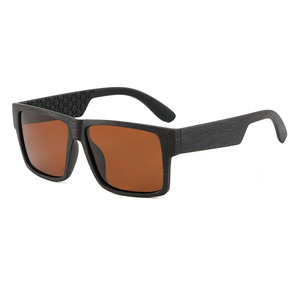
Product Portfolio
Engineered Sustainable Eyewear Lines
Precision-crafted sustainable collections combining industrial performance, polarized optical precision, and circular materials engineered for international brand compliance.
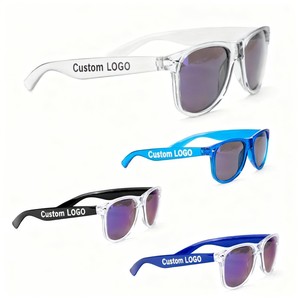

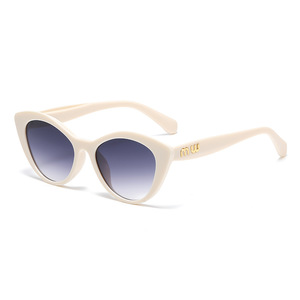
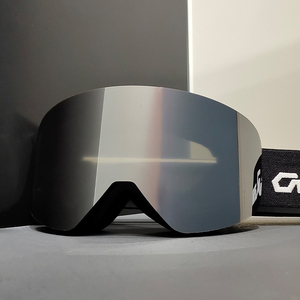
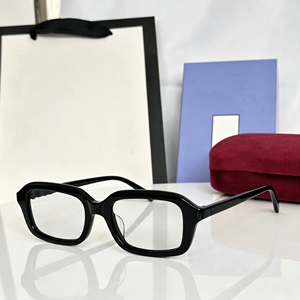
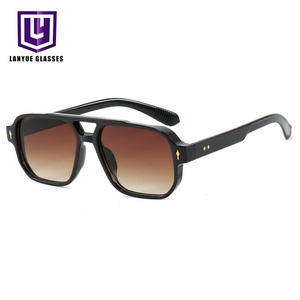
Material Engineering
Next-Generation Eco-Friendly Material Architecture
Decarbonizing optical supply chains requires strict material validation. We engineer frames utilizing certified non-petroleum feedstocks and post-consumer recycled polymers that maintain mechanical integrity.
M49 Certified Bio-Acetate
Derived from sustainably harvested wood pulp and cotton linters plasticized with vegetable-origin ethers. Fully biodegradable under ISO 14855 standards within 180 days in industrial composting while retaining high hand-polishing gloss and temple wire core stability.
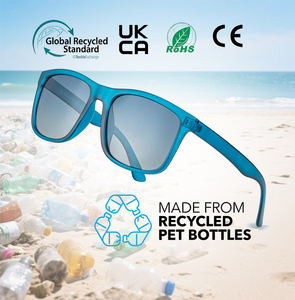
Ocean Bound rPET & rPC
Post-consumer plastics collected from marine coastlines, depolymerized and pelletized with strict thermal stability indexing. Custom formulated for injection molding frames that resist high flexural fatigue and UV degradation across harsh climate cycles.
Renewable FSC Bamboo & Timber
Zero-deforestation harvested structural bamboo, zebrawood, and walnut layered via multi-ply cross-lamination. Precision CNC routed and micro-sealed using non-toxic waterborne resins to prevent moisture warping and temple shear delamination.
Material Mechanical & Ecological Benchmark
Comparing physical properties and environmental footprint across virgin and circular optical substrates.
| Substrate Category | Carbon Offset (%) | Tensile Modulus (MPa) | Thermal Drift Heat Point | Standard Compliance |
|---|---|---|---|---|
| Bio-Acetate (Cellulose) | -68% vs Standard CA | 2,400 - 2,800 | 82°C (Vicat B) | ISO 14855, REACH, Prop 65 |
| Bio-Based Polyamide (TR90) | -52% (Castor Oil Derived) | 1,650 - 1,900 | 110°C (Continuous) | EN ISO 12312-1, ANSI Z80.3 |
| Recycled Marine rPC | -75% vs Virgin Polycarbonate | 2,300 - 2,500 | 125°C | GRS Certified, FDA Impact Pass |
| Recycled Stainless Steel | -80% vs Virgin Steel | 190,000 - 210,000 | > 600°C | Nickel-Release EN 16128 |
Strategic Analysis
Future Sourcing & Procurement Trends
Navigating global regulatory shifts, supply chain transparency requirements, and next-generation consumer demands across wholesale optical channels through 2030.
EU Digital Product Passports (DPP)
By 2026-2028, EU Ecodesign directives mandate verifiable lifecycle tracing from pellet to retail display. Importers must secure suppliers capable of providing batch-specific QR metadata, carbon accounting, and certified chemical bills of materials (BOM).
Modular & Glue-Free Disassembly
Retail return policies and extended producer responsibility (EPR) laws are penalizing co-molded, inseparable multi-material frames. Future eyewear design dictates friction-fit hinges, magnetic lens swap assemblies, and screw-less architectures that dismantle cleanly for single-stream circular reprocessing.
Bio-Coating & PVD Deposition
Traditional toxic electroplating is being phased out globally. Advanced vacuum Physical Vapor Deposition (PVD) and plant-oil based polyurethanes now deliver wear-resistant, hypoallergenic surface finishes without hazardous chemical effluents.
Factory Capabilities
Vertically Integrated Manufacturing Excellence
Uniting three generations of industrial eyewear engineering heritage with advanced Chinese manufacturing scalability, precision robotics, and rigorous closed-loop quality systems.
Zero-Waste Closed-Loop Production
In-house recycling units capture 98% of CNC acetate scrap, re-pelletizing edge trimmings back into injection cycles, dramatically reducing virgin material expenditure while optimizing cost per unit.
Internal Optical Metrology Lab
Every batch undergoes prismatic power verification, bridge fatigue flexing (20,000 cycles), barrel-hinge torque stability, salt-spray anti-corrosion, and cross-hatch adhesion evaluations before export release.
Confidential OEM/ODM Protection
Confidentiality is our standard operating protocol. Proprietary 3D tooling files, rapid SLA prototypes, and private brand identities remain isolated under strict intellectual property agreements and dedicated segregated assembly lines.
Global Regulatory Compliance
Fully certified declarations of conformity including CE mark (EU 2017/745 MDR / EN ISO 12312-1), US FDA device registration, UKCA standards, Australian AS/NZS 1067.1, and California Proposition 65 total phthalate screening.
Procurement Guidance
Frequently Asked Questions for B2B Eyewear Sourcing
Direct technical answers addressing minimum order volumes, material certification, prototyping timelines, and supply chain transparency.
What documentation is supplied to verify authentic eco-friendly materials?
We provide complete supply-chain provenance paperwork with every production lot. This includes Global Recycled Standard (GRS) transaction certificates for rPC/rPET, FSC custody certificates for natural bamboo/wood timbers, and ASTM D6866 / ISO 14855 laboratory biodegradation test reports for bio-acetate frames. Full Chemical Declarations of Conformity under EU REACH (SVHC List) are bundled into export documentation.
What are your Minimum Order Quantities (MOQ) for custom private label collections?
For customized OEM/ODM projects utilizing existing eco-frame tooling, our standard MOQ starts at 300 pieces per style (distributed across 2-3 custom colorways). For bespoke tooling developments requiring custom injection molds or exclusive bio-acetate sheet extrusion, the baseline MOQ is 1,200 pieces per shape, supported by initial 3D prototypes and pilot engineering runs.
Can eco-friendly frames match the mechanical strength of traditional virgin frames?
Yes. Our bio-polyamides and certified bio-acetates undergo strict resin compounding that matches or exceeds conventional cellulose acetate and virgin TR90. They exhibit identical flexural memory, barrel-hinge screw retention torque (tested to 0.4Nm), and optical glazing stability, allowing prescription lenses to be mounted via standard optical grooving without stress cracking.
What is the standard turnaround timeline for prototyping and mass manufacturing?
3D CAD engineering drawings and photorealistic renders are completed within 3 to 5 business days. Functional 3D printed or CNC machined physical prototypes are shipped within 10 to 14 days. Once pre-production samples are signed off, standard mass production lead time is 35 to 45 days, depending on custom acetate curing and secondary hand-finishing processes.
Do you supply eco-conscious optical lenses and retail packaging?
Yes, we offer fully circular secondary configurations. Options include Bio-TAC and Bio-Nylon polarized sunglass lenses (Category 3 UV400), recycled microfiber cleaning cloths made from post-consumer PET bottles, folding cases crafted from FSC recycled kraft pulp, and non-toxic soy-ink printed outer retail boxes.