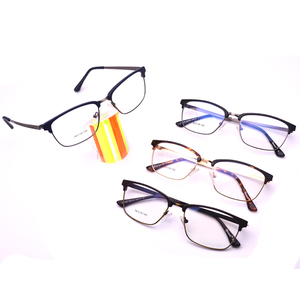
Curated Production Catalog
Engineered Stainless Steel & Hybrid Optical Collections
Explore our benchmarked stainless steel eyewear models and multi-material hybrid frames. Built with tight structural tolerances, vacuum ion PVD deposition, and precision spring hinge mechanics.
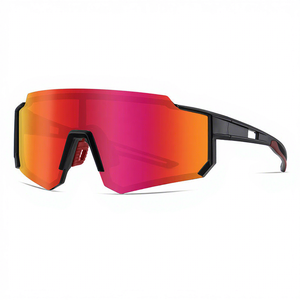
9927 Factory Supply Polarized Semi Rimless Sports Sunglasses Fashionable UV400 Cycling Fishing Driving Outdoor Activities Sample
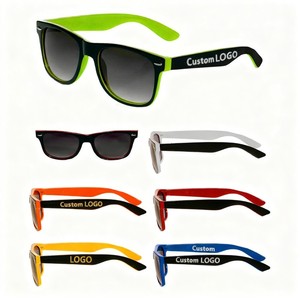
Custom Lunettes De Soleil RéTro Men High Quality Gafas De Sol Mujeres Lentes De Sol Uv Black Gafas De Sol Sunglasses
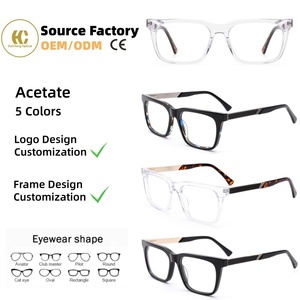
Customization High-end Handcrafted Acetate Optical Glasses Durable Rectangle Eyeglasses Frame Comfortable For Daily Wear OEM/ODM
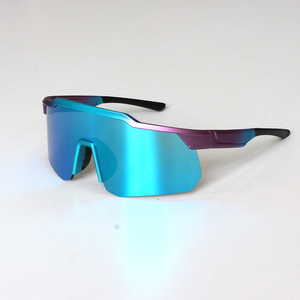
FUYUANDA High-End Men's Polarized Sunglasses Custom Logo Red Luxury Eyewear Blue TR90 Bike Mirror Cycling Protection Hot Brand
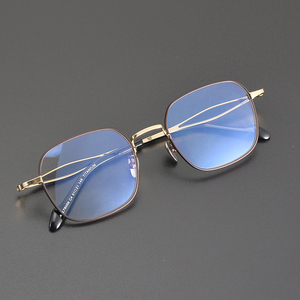
High Quality Latest Design Spectacle Eyewear Frames Beta Titanium Glasses Frame Japanese Handmade Eyeglasses Wholesale ARLT6059
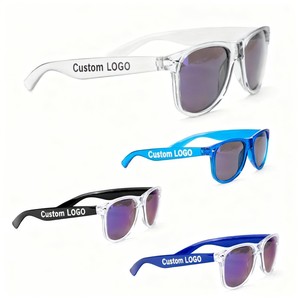
Custom Lentes De Sol Tendencia Lunettes De Soleil Bleu Lunettes De Soleil Homme Man 2026 Sunglasses Women
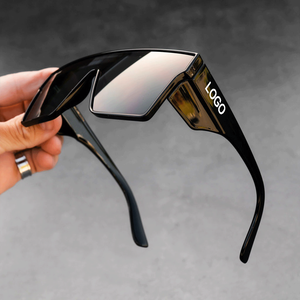
High Quality Custom Logo Z87+ Safety Glasses Ansi Construction Work Outdoor Sports Z87 Sunglasses
3,000+
Daily Production Output
1,000+
Models Developed Annually
90+
Export Partner Countries
±0.02mm
CNC Laser Tolerance
75+
Decades Craft Heritage
Metallurgical Whitepaper
Engineering Superiority: Precision Stainless Steel Eyewear Manufacturing
In high-end optical fabrication, stainless steel has transcended traditional copper-nickel monel alloys. Understanding tensile modulus, yield strength, and surface passivization is critical for institutional optical buyers seeking minimal warranty return rates and optimal consumer comfort.
Surgical-Grade 304L & 316L Alloys
We source ultra-clean cold-rolled stainless steel strip stock characterized by low carbon content (≤0.03% C). This guarantees chemical stabilization against intergranular corrosion during laser micro-welding and high-frequency soldering.
- High mechanical tensile strength: 650 - 880 MPa
- Biocompatible and nickel-release compliant (EN 1811:2011)
- Superior flexural fatigue threshold for ultra-thin temples
Multi-Axis Fiber Laser Micro-Cutting
Moving away from legacy stamping dies that cause microscopic edge shear micro-cracks, our facility utilizes multi-axis CNC fiber laser profiling capable of maintaining micro-kerf widths of less than 30 microns.
- Precision sheet thickness capabilities from 0.5mm to 1.2mm
- Consistent rim lock thread alignment (±0.02mm)
- Zero residual stress deformation on rim bevel contours
Physical Vapor Deposition (PVD)
Unlike standard wet electroplating that degrades when exposed to human sweat and sebum, our vacuum PVD plasma chambers deposit titanium nitride (TiN) and zirconium oxide layers creating impervious surface finishes.
- Surface micro-hardness exceeding 2,000 HV Vickers
- 72-hour artificial sweat test immersion zero-pitting
- Eco-friendly zero-effluent vacuum deposition process
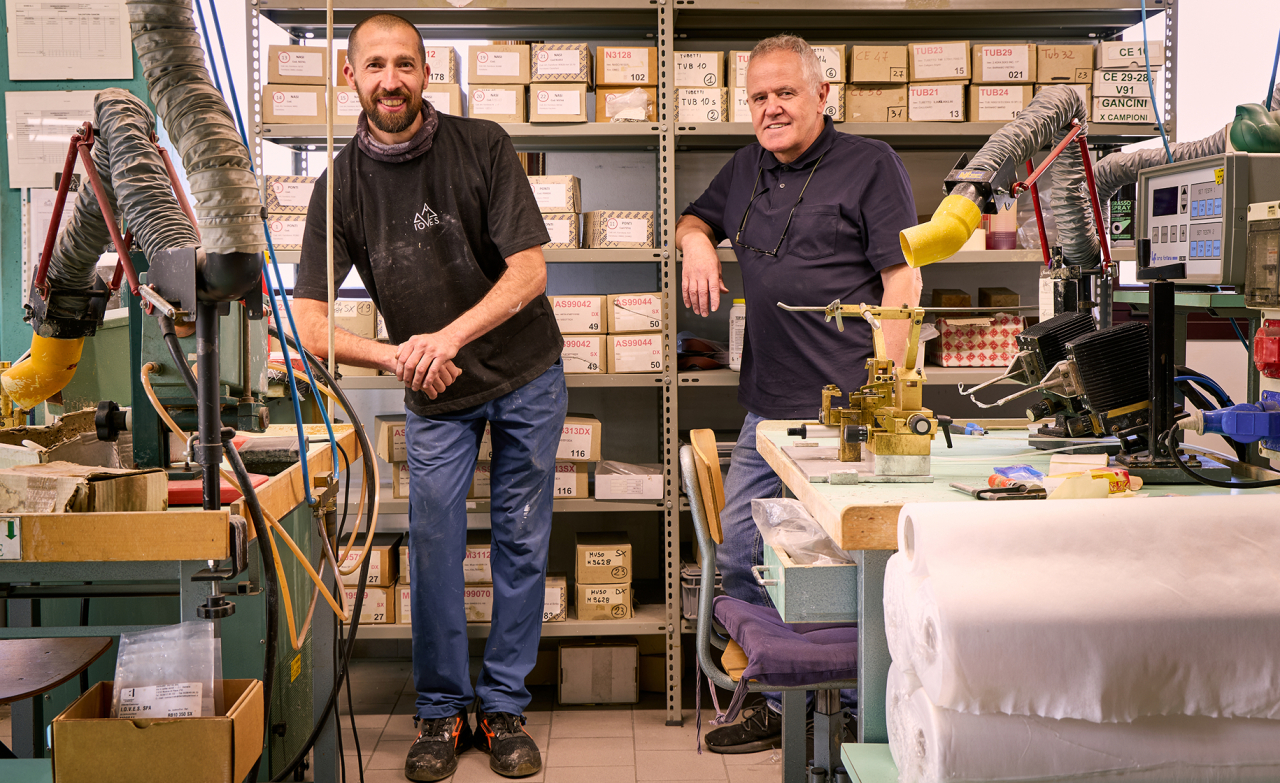
Factory Integration
From Raw Sheet Metal to Finished Masterpiece Under One Roof
Inheriting precision engineering paradigms originating from our traditional Cadore eyewear craft lineage since 1950, our China manufacturing facility pairs rigorous European metrology standards with industrial volume agility.
Every batch of stainless steel undergoes spectrometric alloy verification, computerized spring hinge endurance testing (minimum 25,000 cycle snap-action verification), and optical lens retention groove symmetry testing prior to assembly.
B2B Engineering Spec Comparison: Stainless Steel vs. Alternative Alloys
A rigorous metallurgical comparison designed to assist optical brand directors, procurement heads, and product design engineers in selecting optimal frame substrates.
| Performance Parameter | 304L/316L Stainless Steel | Monel / Nickel Silver | Pure Titanium (Gr.2) | Beta Titanium (β-Ti) |
|---|---|---|---|---|
| Tensile Strength (MPa) | 750 - 900 (Superior Edge Definition) | 400 - 550 (Moderate) | 450 - 580 (Moderate) | 850 - 1100 (Extremely High) |
| Elastic Modulus (GPa) | 193 - 200 (Rigid, Thin Profiles) | 120 - 150 (Flexible, Prone to sag) | 105 - 110 (Resilient) | 80 - 90 (Ultra-spring elastic) |
| Corrosion & Sweat Resistance | Exceptional (Self-healing Cr2O3 film) | Poor (Verdigris green oxidation risk) | Impervious | Impervious |
| B2B Production Cost Efficiency | High Value Index (Optimal scale economics) | Low Cost (Declining demand) | Substantial Premium | High Premium |
| Biocompatibility / Hypoallergenic | Conforms to EN 1811 (<0.5 μg/cm²/week) | Unfavorable (Frequent nickel allergy) | 100% Medical Bio-inert | 100% Medical Bio-inert |
Procurement Roadmap 2026-2030
Future Sourcing Trends in Stainless Steel Eyewear
Strategic analysis for enterprise optical chains, retail aggregators, and private label importers navigating dynamic supply chains, regulatory frameworks, and consumer preferences.
1. Zero-Screw Friction Hinges
Global warranty claims indicate over 68% of frame service issues stem from backing-out hinge screws. Procurement orders are aggressively moving toward screwless folded-sheet stainless steel hinges utilizing cylinder locking mechanisms, eliminating store repairs.
- Zero mechanical maintenance required over life of prescription
- Streamlined minimalist aesthetic popular in European markets
- Reduced bill of materials (BOM) assembly friction
2. Hybrid Material Engineering
Pure metal designs are now complemented by hybrid co-molded constructions. Sourcing contracts emphasize high-density Mazzucchelli cellulose acetate or Swiss EMS TR90 eye-rims structurally bonded to high-tensile 304L stainless steel chassis.
- Lightweight chassis combined with deep color saturation
- High thermal stability preventing lens drop-out
- Ideal for high diopter prescription lens masking
3. Decarbonization & Circularity Verification
Regulatory mandates including the EU Corporate Sustainability Due Diligence Directive (CSDDD) necessitate verified supply chain tracking. Modern procurement demands mill-certified recycled stainless steel (min. 75% post-consumer scrap) with documented lifecycle impact.
- Over 60% reduction in carbon footprint vs virgin ore extraction
- RoHS, REACH, and California Proposition 65 total compliance
- Digital product passport ready material tracking
Industrial Roadmap
Technological & Design Evolution in Metal Eyewear
Explore how advanced micro-machining, computational stress analysis, and additive metal fusion are transforming modern optical frame manufacturing.
R&D Evolution
Computational Structural Optimization & Bio-Ergonomics
Historically, metal eyewear relied on standard sheet thicknesses across the entire frame. Our engineering laboratories now implement differential thickness milling via automated high-speed CNC cutters.
By thinning temple flex zones to 0.6mm while retaining 1.2mm structural anchor zones at the bridge and end-pieces, the frame achieves optimized ergonomic clamping pressure (1.1N - 1.4N). This eradicates temple pinch while preventing slippage on diverse facial bridges.
Furthermore, micro-textured laser engraving enables tactile knurling, architectural bridge cuts, and bespoke filigree patterns without compromising structural integrity.
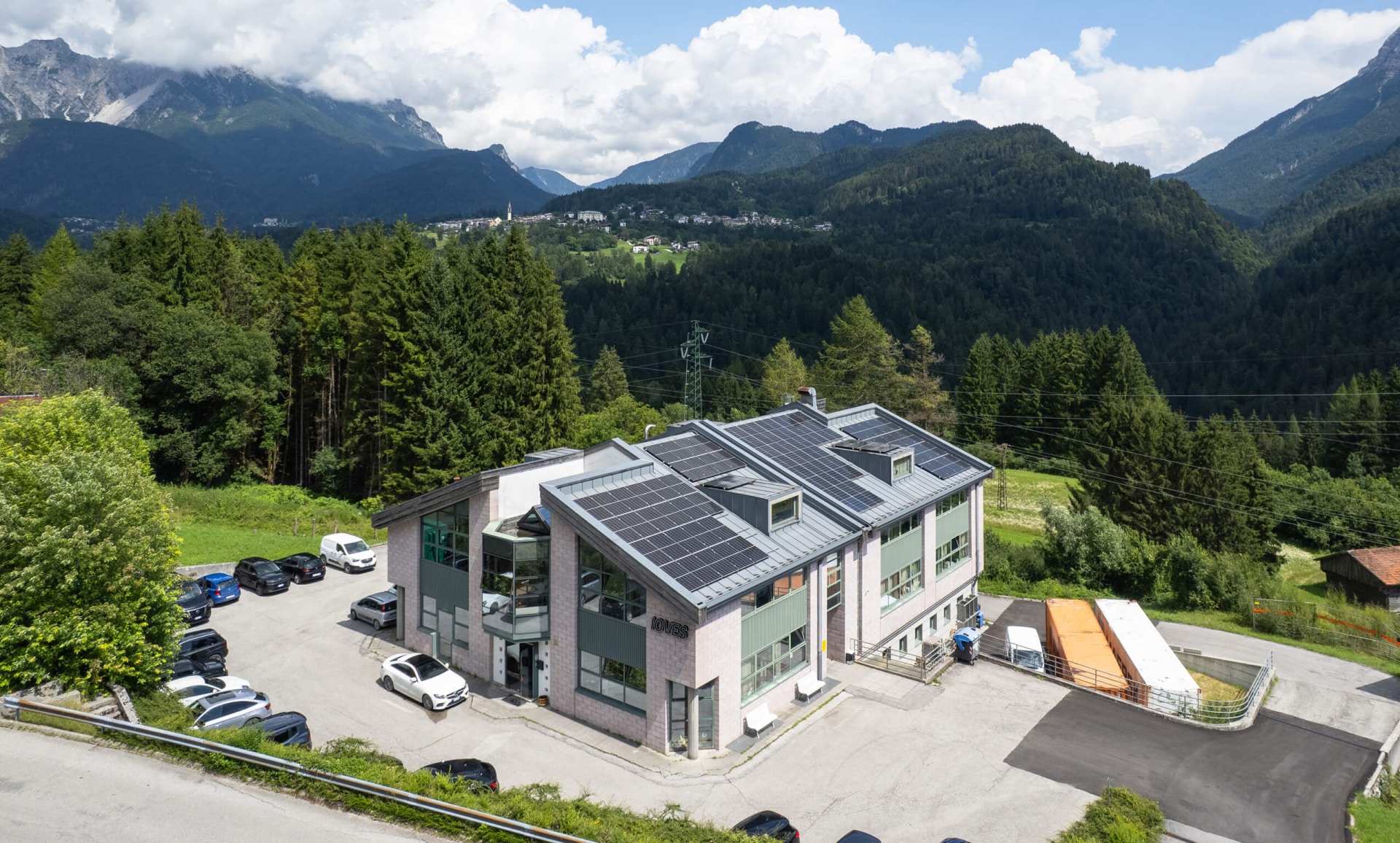
Competitive Advantage
Why Tier-1 Global Eyewear Brands Partner With Us
Combining traditional Italian precision heritage from Cadore since 1950 with modern China manufacturing scale, vertical integration, and zero-compromise institutional quality control.
Full Vertical Integration Under One Roof
From metallurgical testing, initial optical sketches, CAD/CAM micro-tooling, and prototype 3D printing to final high-vacuum PVD coloration and multi-point hand inspection. We eliminate subcontractors, providing buyers with absolute lead-time control and zero margin leakage.
Confidentiality & IP Protection by Default
Strict non-disclosure agreements protect every custom hinge mechanism, proprietary bridge geometry, and private-label styling detail. Your CAD designs are sequestered within partitioned secure offline servers with non-shared tooling libraries.
Scale Capacity: 3,000 Pcs/Day & 1,000+ Annual Models
With an industrialized daily throughput exceeding 3,000 finished pieces and over 1,000 design SKUs engineered annually, our production lines comfortably handle global optical retail program volume demands without quality drift between prototype and final batch.
Buyer Knowledge Base
Frequently Asked Procurement Questions
Practical, candid engineering answers for procurement managers, optical chain merchandisers, and private label brand founders.
What specific stainless steel grades are utilized, and how is nickel release managed?
Our primary production lines utilize high-grade medical 304L and marine-grade 316L austenitic stainless steel strip. These alloys naturally form an instantaneous passivated chromium oxide (Cr2O3) boundary layer that prevents nickel migration.
Every manufacturing lot conforms strictly to the European Nickel Release Harmonized Standard EN 1811:2011 + A1:2015, measuring well below the 0.5 μg/cm²/week legal limitation, making our stainless steel frames fully hypoallergenic for long-term skin contact.
What is the standard production lead time for prototype sampling versus mass orders?
For custom OEM/ODM tooling and prototype verification, our typical turnaround is 14 to 21 working days, leveraging rapid fiber-laser cutting and stereolithography 3D resin components for rapid fit verification.
Following final golden sample sign-off, full production runs of 1,200 to 10,000 units are fulfilled within 45 to 60 calendar days, inclusive of high-vacuum PVD coating, lens edging, pad-printing, and comprehensive individual QA packaging.
Can our brand specify proprietary screwless hinge architectures or custom stamping?
Yes. Custom engineering is our core specialty. Our engineering team assists buyers in developing bespoke, patented sheet-folding or cylinder screwless hinge mechanisms. We generate complete 3D CAD files (STEP/IGES) and conduct finite element analysis (FEA) to confirm spring tension retention prior to cutting hard-tooling dies.
What quality certification and regulatory documentation accompany shipments?
All finished optical frames and sunglasses are accompanied by verifiable compliance documentation tailored to the importer's jurisdiction: CE Declarations of Conformity (Medical Device Regulation MDR 2017/745 Class I for optical frames; PPE Regulation EU 2016/425 for sunglasses), FDA 21 CFR 801.410 Impact Drop-Ball Certification, ANSI Z80.3 / Z87.1 reports, and full RoHS/REACH SVHC non-toxic test results.
What are the Minimum Order Quantities (MOQ) for custom private label runs?
Our standard production MOQ is typically 300 pieces per model, with flexibility to subdivide into 2-3 custom PVD or electroplated color variations (100 pcs/color). For established optical distributors and volume retail aggregators under yearly contract arrangements, tiered rolling capacity allocations and lower replenishment minimums are available.