Featured Optical Frames & Engineering Solutions
Direct from our state-of-the-art production floors: Italian-standard acetate shaping, Japanese titanium milling, and ultra-durable TR90 magnetic injection frameworks.
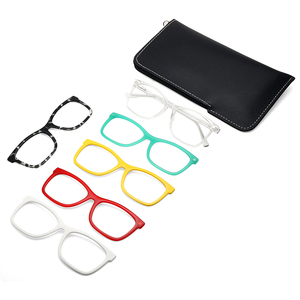
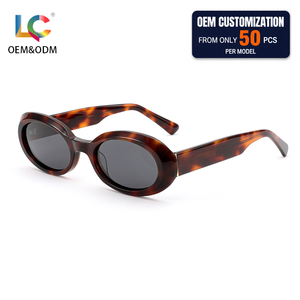
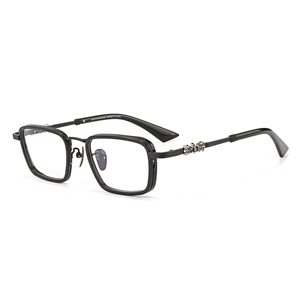
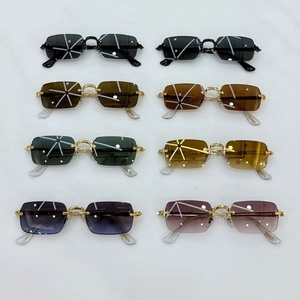
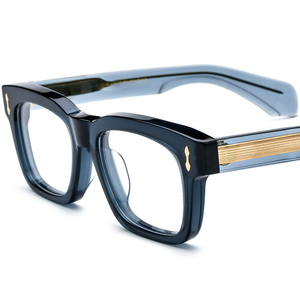
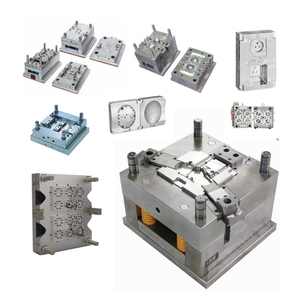
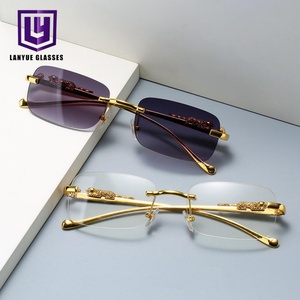
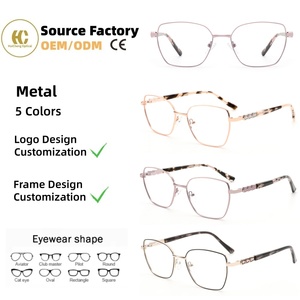
The Anatomy of Industrial Handcrafted Optical Manufacturing
True optical quality is not an aesthetic accident; it is the mathematical convergence of thermodynamic stabilization, raw material purity, multi-axis CNC micro-milling, and exhaustive manual barrel tumbling.
"In premium optical frame manufacturing, high-density cellulose acetate must undergo at least 90 days of controlled kiln curing to release residual plasticizers. Without this thermal stabilization, acetate frames will bow, warp, and reject prescription lens bevels within six months of distribution."
For optical brand owners, corporate procurement executives, and retail chain buyers, sourcing from China's best handmade optical frames factories requires understanding the divide between generic mass injection and bespoke artisanal fabrication. Our manufacturing group bridges Italian engineering traditions established in Cadore with Shenzhen and Wenzhou’s cutting-edge high-precision tooling infrastructure.
Material Metallurgy & Aging
We source certified eco-friendly cellulose acetate from leading suppliers (Mazzucchelli 1849 and top-tier domestic producers). Slabs are aged in humidity-controlled chambers to minimize shrinkage to under 0.15%, ensuring lifelong temple stability and groove retention.
5-Axis CNC Precision Carving
Every frame front begins as a multi-layer raw acetate block cut on ultra-high-speed 5-axis CNC router beds. This guarantees absolute symmetry across the optical bridge, perfect lens groove angle (V-bevels at standard 115°), and ergonomic pantoscopic tilt angles.
72-Hour Barrel Pumice Tumbling
Machine-carved parts possess sharp tool marks. Our multi-stage polishing cycle involves 72 continuous hours in rotating beechwood barrels infused with volcanic pumice, progressing to walnut shells, birch chips, and German carnauba wax, culminating in a wet-mirror tactile finish.
Technical Specification Matrix: Selecting the Right Substrate
Compare structural properties, tooling lead times, and retail positioning across the three primary manufacturing technologies.
| Substrate Category | Specific Gravity & Weight | Tensile Strength & Flex | Prescription Adjustability | Best Architectural Application | OEM Production Cycle |
|---|---|---|---|---|---|
| Cured Cellulose Acetate | 1.28 – 1.32 g/cm³ | Medium High (Flexible with wire core) | High (Hot-air cold-set) | Bespoke fashion eyewear, retro thick-rim contours, luxury designer collections | 45 – 60 Days |
| Medical Grade TR90 | 1.14 – 1.18 g/cm³ | Ultra High (Memory retention) | Moderate (Mechanical curve) | Active lifestyle, ultralight daily frames, 5-in-1 magnetic clip-on structures | 30 – 45 Days |
| Beta Titanium & Monel | 4.50 – 8.80 g/cm³ | Extreme Tensile Rigidity | Very High (Plier-adjustable) | Minimalist business eyewear, rimless screwless architectures, luxury gentleman aesthetics | 50 – 65 Days |
| Acetate-Metal Hybrid | Composite Variant | Balanced Shock Resistance | High (Dual-point adjust) | Combination browline styles, sculptural temple artwork, boutique private label lines | 55 – 70 Days |
Future Sourcing Trends Shaping Global Eyewear (2025–2030)
Stay ahead of macroeconomic shifts, regulatory pressures, and consumer lifestyle pivots in the prescription frames and sunwear markets.
1. Circularity & Certified Bio-Acetate
Global regulatory frameworks (including EU CSRD and Extended Producer Responsibility) are driving demand for certified bio-based cellulose acetate (derived from sustainably managed wood pulp and plant-based plasticizers) featuring biodegradable footprints without sacrificing structural luster or hardness.
2. Hybrid Multi-Functional Eyewear
Consumers prioritize modularity. The explosive surge of 5-in-1 magnetic clip-on frames enables single prescription holders to switch instantly between blue-light office wear, polarized driving shades, amber night lenses, and high-altitude UV400 filters through discreet neodymium magnetic mounts.
3. Ultra-Bold Sculptural Volumes
Advancements in multi-axis robotic routing now allow 8mm to 12mm ultra-thick acetate rims engineered with internal pocket milling. This achieves an assertive, heavyweight aesthetic while reducing net frame weight by up to 35%, preserving all-day nasal bridge comfort.
Frequently Asked Questions by Optical Buyers & Importers
In-depth technical answers addressing quality control parameters, minimum order quantities, compliance documentation, and intellectual property protection.
What quality standards and laboratory drop-ball tests do your optical frames undergo?
What are the typical MOQs and lead times for custom OEM/ODM eyewear projects?
How does your factory protect proprietary designs and private label trademarks?
How does the factory prevent frame warping and bridge drift in handmade acetate?
Can you support custom packaging, temple pad-printing, and micro-engraving?
Scale Your Eyewear Brand With Industrial Excellence
Whether you require a limited artisanal run of high-density cellulose acetate spectacles or a 50,000-piece injection molded TR90 optical program, our engineering team in Cadore and China is ready to review your technical drawings and provide competitive B2B quotation tiers.
Send an Inquiry