Precision Titanium Metallurgy: Engineering Durability, Biocompatibility & Micro-Tolerances
A comprehensive procurement guide and engineering manifesto for international optical retailers, luxury brand houses, and wholesale distributors seeking accredited OEM/ODM titanium eyewear solutions.
In the demanding field of premium ophthalmic frames, titanium engineering represents the pinnacle of structural performance, combining extraordinary tensile strength with unmatched featherlight wearability. As regulatory oversight tightens across the European Union, the United Kingdom, and North America, ophthalmic distributors must secure manufacturing partnerships that operate far beyond superficial cosmetic assembly. Sourcing CE-certified pure titanium (Grade 1 through Grade 4) and high-modulus Beta-titanium (β-Ti) demands rigorous metallurgical provenance, advanced vacuum ion plating (IP-PVD), zero-nickel emission, and medical device classification compliance.
Building upon three generations of eyewear manufacturing expertise rooted in Lozzo di Cadore—the birthplace of European optical craftsmanship since 1950—our production ecosystem integrates classic alpine tooling traditions with ultra-precise computer numerical control (CNC) micro-machining. This whitepaper analyzes the mechanical realities of modern titanium frame construction, evaluates market procurement forecasts through 2030, and showcases our specialized catalog engineered specifically for optical professionals who cannot compromise on material fidelity, dimensional stability, or regulatory verification.
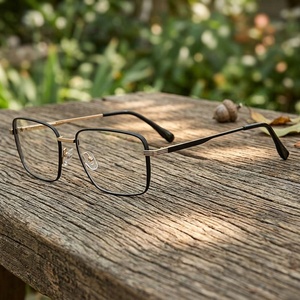
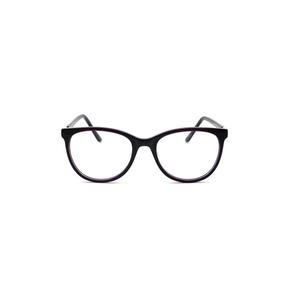
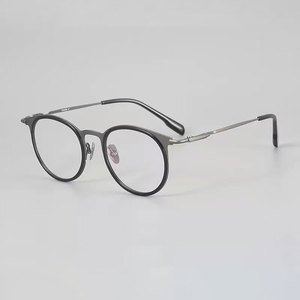
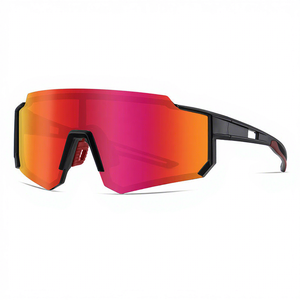
Engineered Titanium & Performance Frame Series
Explore our high-demand OEM/ODM production references ready for private label customization, laser branding, and immediate volume procurement.
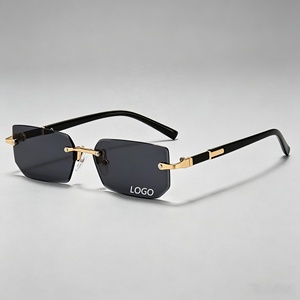
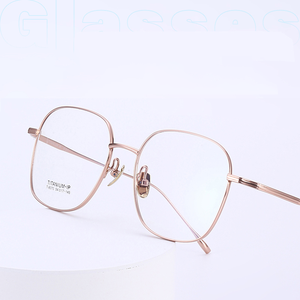


The Science of Titanium: Grades, Micro-Welding & Surface Passivation
Why raw material purity dictates lifetime elasticity, sweat resistance, and total compliance with European Medical Device Regulation (EU MDR 2017/745).
Not all metallic frames carrying a titanium stamp satisfy optical engineering standards. In industrial procurement, commercial differentiation between pure titanium (α-phase), Beta-titanium (β-phase), and memory nickel-titanium (Nitinol) represents the line between an enduring, comfortable medical device and a brittle frame prone to stress-fractures at hinge joints.
Pure Titanium (Grade 1 & Grade 2): Characterized by exceptional corrosion resistance and complete biological inertness, commercial pure titanium is the gold standard for eyewires, bridge sections, and nose pad arms. With an ultimate tensile strength exceeding 345 MPa and a density of merely 4.51 g/cm³ (roughly 45% lighter than stainless steel), pure titanium ensures that wearers experience zero galvanic skin reactions. Under EN ISO 12870:2018 (Ophthalmic Optics - Spectacle Frames), frames must endure prolonged artificial sweat exposure at 35°C without discoloration, pitting, or base-metal degradation—criteria where our vacuum-annealed Grade 1 titanium demonstrates flawless zero-defect integrity.
Beta-Titanium (β-Ti Alloy - Ti-15V-3Cr-3Sn-3Al): While pure titanium delivers structural rigidity, temple arms demand high yield strength combined with low modulus of elasticity to provide gentle, persistent retention on the human cranium. Beta-titanium stabilizes the body-centered cubic (BCC) crystal lattice at ambient room temperatures, granting an elastic spring deflection up to 300% greater than standard surgical stainless steel. Our precision cold-drawing and laser-swaging processes create flexible temples as thin as 0.75mm that reliably recover their initial geometry after undergoing over 50,000 continuous opening cycles.
| Material Category | Yield Strength (MPa) | Density (g/cm³) | Elastic Spring Recovery | Nickel Release Compliance | Recommended Optical Application |
|---|---|---|---|---|---|
| CP-1 Pure Titanium | 220 – 310 | 4.51 | Moderate (3.5%) | ✓ 100% Nickel-Free | Bridge, Rims, Pad Arms, Luxury Screws |
| Beta-Titanium (β-Ti) | 880 – 1050 | 4.72 | Exceptional (12.8%) | ✓ 100% Nickel-Free | Flexible Temples, Screwless Hinges, Top Bars |
| Memory Titanium (NiTi) | 195 – 690 | 6.45 | Pseudoelastic (Shape Memory) | ✓ Coated EN 16128 Pass | Flexible Bridges, Dynamic Active Eyewear |
| Monel / Nickel-Silver | 350 – 550 | 8.80 | Poor (Plastic Deformation) | ✗ High Risk / Regulated | Mass Market Conventional Frames Only |
| Stainless Steel 304L/316L | 450 – 620 | 7.95 | Good Elastic Spring | ✓ Pass Under EN 1811 | High-Volume Thin Metal Sheet Frames |
Future Procurement Trends in Titanium Optical Frames (2025–2030)
Key strategic shifts reshaping global sourcing, material circularity, and regulatory frameworks for enterprise optical buyers.
1. Circularity & Certified Recycled Eco-Titanium
Global supply chains are migrating toward certified scrap-recovered aerospace titanium. Closed-loop refining reduces carbon footprints by up to 68% compared to virgin sponge ore extraction, fulfilling ESG mandate criteria for major institutional European eyewear groups.
2. Screwless & Friction-Fit Hinge Architecture
Traditional miniature optical screws remain the number-one service vulnerability in optical dispensaries. Procurement trends demonstrate an annual 24% compound growth in demand for monobloc titanium folded hinges and cylinder friction locks that eliminate screw loosening permanently.
3. Strict Medical Device Traceability (UDI Compliance)
Under EU MDR regulations, optical frames intended for corrective lenses require Unique Device Identification (UDI) laser-etched onto inner temple shafts. Buyers demand factories with automated laser-marking capabilities that withstand ultrasound cleaning and sweat abrasion tests.
4. PVD Vacuum Ion Sputtering vs. Wet Plating
Wet chemical lacquering is rapidly being phased out due to environmental regulations (REACH Annex XVII) and poor wear life. Physical Vapor Deposition (PVD) delivers a ceramic-grade titanium nitride (TiN) or titanium carbo-nitride (TiCN) coating boasting 2,000 Vickers surface hardness.
5. Low-Batch High-Agility SKU Production (Agile OEM)
Modern boutique eyewear labels prefer flexible minimum order quantities (MOQs) with swift replenishment cycles over massive speculative inventory. Advanced CNC tool-path programming enables our factory to prototype in 14 days and launch commercial runs of 300 units per colorway.
Why Tier-1 Global Eyewear Brands Partner With Our Production Facilities
Combining the heritage of the Italian Cadore eyewear district with full-chain vertical industrial integration.
Founded in Lozzo di Cadore in 1950, our manufacturing legacy spans over seven decades of technical evolution. As the optical world shifted from manual hand-filing of cellulose acetate to high-tech titanium plasma welding, our company remained steadfast in one principle: Absolute Vertical Integration. By managing every single phase under one roof—from initial industrial CAD rendering, tool-making, wire extruding, micro-welding in inert argon chambers, to multi-stage vibratory tumbling and five-point hand inspection—we eliminate multi-tier subcontractor markups and quality deviations.
Argon Chamber Micro-Welding
Titanium absorbs oxygen and nitrogen above 400°C, causing extreme brittleness. Our proprietary inert argon atmosphere chambers guarantee weld seams with pristine metallurgical structure.
Multi-Axis CNC Micro-Milling
Precision wire and sheet profiling within ±0.02mm tolerances ensures lens grooves seat standard CR39, polycarbonate, and 1.74 high-index prescription lenses without stress birefringence.
In-House Tooling & Mold Shop
We craft proprietary dies and stamping tools in-house. This gives private label brands exclusive ownership over bespoke hinge designs, bridge geometries, and personalized temple end-tips.
Strict Non-Disclosure & IP Protection
Client design files, proprietary color blends, and brand identities are protected with strict NDA confidentiality protocols, serving leading optical chains across more than 90 countries with zero cross-leakage.
Frequently Asked Questions: Sourcing Titanium Optical Frames
Clear, direct answers regarding certifications, factory tolerances, minimum order volumes, and metallurgical testing protocols.
What specific test reports are provided for CE compliance on titanium optical frames?
How does your factory distinguish between pure titanium and lower-grade alloy substitutes?
What are the standard Minimum Order Quantities (MOQ) and production lead times for OEM private label orders?
Can your titanium frames accommodate progressive, multifocal, and high-index prescription lenses?
What surface finishing technologies are applied to prevent sweat discoloration and micro-scratching?
How are proprietary private label designs protected from unauthorized cloning?
Build Your Premium Titanium Collection With An Accredited Manufacturer
Connect with our technical engineering team in Cadore to request complete master catalogs, material test reports, rapid prototype samples, or confidential OEM/ODM quotations for your brand.