Engineered Optical Frames & Precision Hybrid Assemblies
Explore our certified metal and composite optical architectures. Built to medical device standards with zero-compromise nickel-free plating, laser micro-soldering, and modular magnetic engineering.

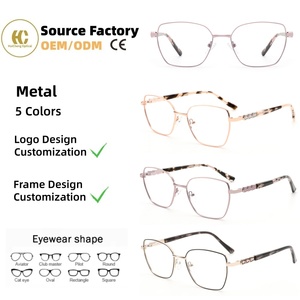
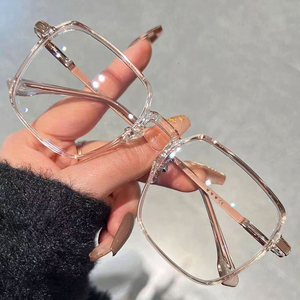

CE Certification & Metallurgical Engineering for Regulated Markets
In contemporary optical wholesale, an authentic CE Mark is not merely a border stamp—it represents complete compliance with European Union Medical Device Regulation (EU) 2017/745 (MDR) for Class I non-invasive ophthalmic corrective devices, EN ISO 12870 mechanical fatigue criteria, and REACH Annex XVII chemical safety.
MDR 2017/745 Class I Compliance
Under the European Medical Device Regulation, corrective optical frames are classified as Class I Medical Devices. Every production batch produced at our Cadore manufacturing base undergoes mandatory Technical File validation, clinical evaluation traceability, Unique Device Identification (UDI-DI/UDI-PI) integration, and post-market surveillance (PMS) registration.
- Full Technical Documentation file according to Annex II & III
- UDI laser engraving on temple inner cores
- Continuous biocompatibility risk management (ISO 14971)
EN 16128 Nickel Leaching Protocol
Nickel-induced allergic contact dermatitis is the leading cause of regulatory seizure in Western optical retail. All metal alloys, solder joints, and protective physical vapor deposition (PVD) layers must comply with EN 16128 and REACH entry 27, ensuring nickel release remains strictly below the threshold of 0.5 μg/cm²/week after accelerated wear simulation.
- EN 12472 artificial sweat and wear simulation (5,000 cycles)
- ICP-OES atomic emission spectrometry verification
- Zero-nickel barrier coatings on copper/nickel base wires
ISO 12870 Mechanical Integrity
Optical frames are subjected to prolonged flexural strain, thermal cycling, and physical impact. Our in-house testing laboratory subjects every batch to ISO 12870 protocols, including endurance tests on bridge deformation, 20,000-cycle temple hinge fatigue, perspiration chamber exposure, and lens retention security.
- Bridge deformation resistance ≥ 500 gf sustained loading
- 20,000 hinge cycle test with <15% torque degradation
- ASTM B117 neutral salt spray corrosion > 96 hours
Optical Metal Alloys: Technical Specifications & Performance Comparison
Selecting the appropriate alloy formulation dictates tensile resilience, weight distribution, hypoallergenic comfort, and post-assembly lens glazing security. Review our raw material benchmarks:
| Alloy Classification | Primary Composition | Tensile Strength (MPa) | Density (g/cm³) | Corrosion & Hypoallergenic Rating | Glazing & Adjustability Profile | Target B2B Application |
|---|---|---|---|---|---|---|
| Pure Titanium (Grade 1 & 2) | Ti ≥ 99.2%, Fe < 0.20%, O < 0.18% | 345 – 480 | 4.51 | 100% Bio-Inert (Grade A+) | High cold-working control required; zero cold snapback | Executive rimless, ultra-light luxury optical frames |
| β-Titanium (Ti-15V-3Cr-3Sn-3Al) | Titanium base alloyed with Vanadium, Chromium, Tin | 880 – 1050 | 4.75 | Hypoallergenic (Grade A) | Exceptional elastic memory; ideal for screwless micro-hinges | Flex-temple designs, active lifestyle, rimless silhouettes |
| Surgical Stainless Steel (AISI 316L) | Fe, Cr 16-18%, Ni 10-14%, Mo 2-3% | 580 – 750 | 7.98 | Passivated Pass (Grade A-) | Stable plastic deformation; easy optician clinic adjustment | Sheet-metal architectural frames, contemporary full rims |
| Monel 400 (Nickel-Copper Alloy) | Ni 63-70%, Cu 28-34%, Fe/Mn trace | 450 – 620 | 8.80 | PVD Barrier Required (Grade B) | Superior ductility, high solderability for complex filigree | Cost-effective volume commercial lines, vintage bridge filigree |
| Shape Memory NiTi (Nitinol) | Ni 55-56%, Ti 44-45% intermetallic | 750 – 960 | 6.45 | Passivated Bio (Grade A) | Superelastic pseudo-plasticity; self-recovering bridge wires | Indestructible children's frames, high-stress flexible bridges |
Optical Metal Frames: 2025–2030 Global Sourcing & Procurement Trends
Strategic buyers must align their supply chains with evolving global macro-dynamics: carbon taxation, closed-loop titanium metallurgy, medical-grade bio-coatings, and hybrid smart-frame integration.
Closed-Loop Recycled Titanium Metallurgy
European Corporate Sustainability Due Diligence Directive (CSDDD) is driving top-tier optical houses toward closed-loop circular metals. Aerospace-grade recycled Grade 5 titanium filings and scrap wires are being melted via vacuum arc remelting (VAR), lowering raw material embedded carbon by up to 68% while delivering indistinguishable metallurgical yield strength and corrosion resistance.
Ion-Assisted PVD & Biocompatible Nano-Ceramic Deposition
Traditional cyanide-based electroplating baths are being systematically phased out due to EU environmental restrictions. Next-generation IPVD (Ion-Plated Physical Vapor Deposition) and cathodic arc deposition produce diamond-like carbon (DLC) and titanium carbonitride layers measuring 1.2 to 2.5 microns, ensuring 10-year surface resilience against saltwater, cosmetics, and skin acidity.
Screwless Micro-Kinematics & Additive Laser Sintering (DMLS)
Traditional micro-screws represent 82% of retail after-sales returns due to back-out and stripped threads. Modern OEM developments lean heavily on multi-axis stamped sheet metal fold-locks, cam-follower friction hinges, and direct metal laser sintered (DMLS) titanium joints that eliminate screw maintenance while enabling ultra-lightweight profiles weighing under 9.8 grams.
Structural Hybridization: Metal Wire Chassis with Bio-Polymers
The convergence of high-modulus beta-titanium core wires and bio-based acetate or injection-molded Grilamid EMS is transforming comfort metrics. Metal-injection chassis allow ultra-thin rim profiles (under 1.4 mm) while retaining mechanical strength for high-minus refractive lenses (-6.00D to -12.00D), neutralizing rim roll-off and frame distortion.
Smart Wearable Housing Integration
Optical frame metallurgy is actively adapting to accommodate bone-conduction transducers, micro-batteries, and flexible printed circuits (FPCs). Temple designs now feature hollowed micro-channeled stainless steel profiles and titanium conduits that shield electronics from electromagnetic interference without compromising optician frame readjustability.
Near-Shoring & Dual-Region Supply Redundancy
Geopolitical trade realignments and maritime carbon taxation are incentivizing optical retail groups to establish dual-source procurement. Sourcing from European heritage producers like IOVES in Cadore ensures rapid replenishment cycle times of 15-30 days for seasonal best-sellers, drastically minimizing the inventory holding costs associated with distant ocean logistics.
Frequently Asked Questions: B2B Optical Frame Procurement
Essential technical and logistical answers for Supply Chain Directors, Quality Assurance Managers, and Wholesale Optical Importers.
What specific test documentation is provided to satisfy EU MDR 2017/745 Class I CE compliance?
What are your minimum order quantities (MOQ) and lead times for OEM private label metal frame production?
How do you guarantee solder joint integrity and galvanic corrosion prevention in metal frames?
Can your metal frames accommodate high-power prescription lenses without frame pop-out?
What surface treatment methods do you offer, and how do they perform against sweat acidity?
How is intellectual property (IP) and proprietary tooling handled for custom OEM collections?
Launch Your Next CE-Certified Metal Optical Program
Partner with a vertically integrated European manufacturer trusted by leading optical chains and independent eyewear brands across 90+ countries. Request technical engineering drawings, alloy samples, or a complete factory audit dossier today.