0%

I can write the introduction, but no source articles were included, and I can’t verify an industry expert’s exact words from the information provided. Please share the articles or a verifiable expert quote so I can cite them accurately.
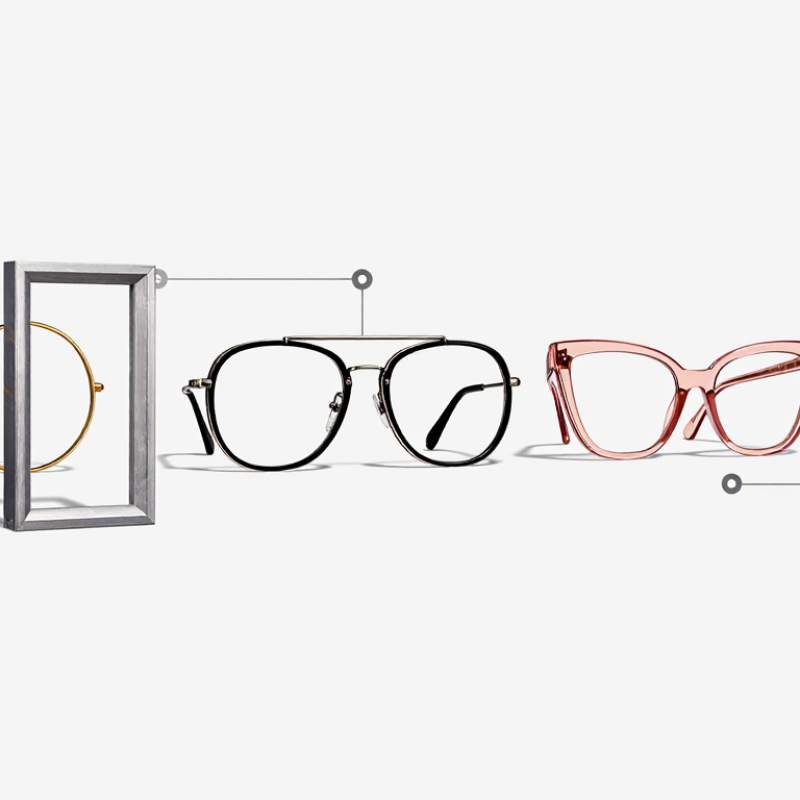
What Are the Top Types of Metal Eyewear Frames?

Monel Frames: ASTM B164 Specifies at Least 63% Nickel

Among metal eyewear options, Monel is a nickel-copper alloy used in rims, bridges, and temples. The composition figure needs precise wording. ASTM B164 lists Alloy 400 at a minimum of 63.0% nickel plus cobalt. It also specifies 28–34% copper and no more than 2.5% iron. That distinction matters. ASTM B164 covers rod, bar, and wire; it does not certify a finished pair of glasses. These figures come from the standard’s chemical-composition requirements.

Nickel Institute technical literature describes Alloy 400 as corrosion-resistant, a useful quality around sweat and daily handling. In eyewear, thin temples and adjustable nose-pad arms still require careful forming. Alloy chemistry alone cannot predict comfort. Bridge weight, hinge fit, coatings, and skin contact also matter. Nickel content does not directly measure skin exposure; release and coating condition are relevant, too. Worth checking. Ask an optician or supplier for material documentation if composition is important. Not every Monel frame uses identical stock, and ASTM B164 is not a finished-frame label. These details can feel fussy, but they help set realistic expectations.

Stainless-Steel Frames: Typical Density of 7.9 g/cm³ (ASM Handbook)

Stainless steel is a common choice for metal eyewear frames because it combines strength with a clean, slim appearance. The ASM Handbook gives a typical density of about 7.9 g/cm³ for stainless steel.

Density describes mass per unit volume, not the weight of a complete pair of glasses. Small distinction. It matters when comparing frame materials.

A frame’s final weight also depends on its shape, thickness, and construction. A narrow bridge and thin temples use less metal than broad, solid sections. Hinges, nose pads, and other components add weight too.

On the face, this can affect how the glasses sit and whether they feel balanced. A frame that looks delicate may still feel substantial around the nose.

The 7.9 g/cm³ figure is a useful reference, not a guarantee for every stainless-steel alloy. Composition can vary, so actual density may differ slightly.

For shoppers, fit and construction are just as relevant as the material label. Try the frame on and notice pressure at the nose or behind the ears.

Numbers help, but they do not describe comfort perfectly. That part is easy to overlook.

Titanium Frames: Typical Density of 4.5 g/cm³ (ASM Handbook)

Metal eyewear frames commonly use titanium, stainless steel, aluminum, and nickel-titanium alloys. Titanium stands out for its balance of low mass and strength. The ASM Handbook reports a typical titanium density of about 4.5 g/cm³. For comparison, stainless steel is usually around 7.7–8.0 g/cm³, while aluminum is about 2.7 g/cm³. Density matters, but it is not a comfort score by itself.

That difference can be felt over a long day: lighter rims may put less pressure on the bridge of the nose. Titanium alloys vary, too. Commercially pure titanium is close to 4.51 g/cm³, while Ti-6Al-4V is about 4.43 g/cm³, according to ASM materials data. Frame weight also depends on wire thickness, hinge design, lens size, and construction. A dense material can still make a comfortable frame if its shape distributes pressure well. I would not judge fit from a specification sheet alone.

Tips: Check how the bridge and temples sit after several minutes of wear. Ask whether the frame is commercially pure titanium or an alloy, and treat “lightweight” as a claim to verify—not a measurement.

Aluminum Frames: Typical Density of 2.70 g/cm³ (ASM Handbook)

Aluminum Frames: Typical Density of 2.70 g/cm³

The ASM Handbook lists aluminum’s typical density at about 2.70 g/cm³. That is considerably below stainless steel, commonly near 7.9 g/cm³, and titanium, around 4.5 g/cm³. These material values help explain why aluminum is attractive for lightweight eyewear. They do not predict the weight of a finished frame by themselves. Frame size, wall thickness, hinges, and alloy choice all matter. A slim temple can feel light in the hand, while a thicker front may feel less so. Small details count.

The ASM Handbook’s figure is a useful reference, not a wearability guarantee. MatWeb’s 6061-T6 aluminum data also reports a density close to 2.70 g/cm³, illustrating how a commonly used alloy aligns with the general value. In practical fitting, balance matters as much as total mass: nose pads, bridge shape, and temple pressure can change how a frame feels after several hours. Lightweight is not automatically comfortable. Nor does low density mean a frame is flimsy; stiffness and durability depend on alloy and design. One caveat: published material data describes samples under defined conditions, while real frames vary. That distinction is easy to overlook.

What Are the Top Types of Metal Eyewear Frames? — Aluminum Frames: Typical Density of 2.70 g/cm³ (ASM Handbook)

Frame Material Typical Density (g/cm³) Common Characteristics Potential Advantages Considerations
Aluminum 2.70 Lightweight metal with a naturally forming oxide surface layer. Low material density can help reduce frame weight. Frame strength, corrosion behavior, and finish depend on the specific alloy and construction.
Titanium About 4.51 Strong, relatively low-density metal with good corrosion resistance. Can combine low weight with durability; often suitable for lightweight designs. Material and manufacturing costs can be higher than for many common frame metals.
Beta titanium About 4.5 A family of titanium alloys whose properties vary with composition and processing. Can offer flexibility and resilience in appropriately designed frame components. It is an alloy category, so exact density and flexibility are not identical across products.
Stainless steel About 7.7–8.0 Iron-based alloy containing chromium; many grades resist corrosion. Can be made into slim, durable frame parts and is widely workable. Heavier by density than aluminum or titanium; properties vary by grade.
Nickel silver About 8.4–8.7 Copper-based alloy commonly containing nickel and zinc; it contains no actual silver. Can be formed and finished for detailed frame components. Contains nickel, which may be unsuitable for people with nickel sensitivity unless properly isolated or coated.
Monel-type copper–nickel alloy About 8.8–9.0 Dense copper–nickel alloy used in some metal-frame constructions. Offers formability and useful corrosion resistance in many environments. Contains nickel and has a higher density than aluminum, titanium, or stainless steel.

Note: Density figures are representative room-temperature values and can vary with alloy composition. Density alone does not determine the weight of a finished frame; frame dimensions, geometry, components, and construction also matter. The aluminum value of 2.70 g/cm³ is a typical value for aluminum reported in the ASM Handbook.

NiTi Memory-Metal Frames: Up to 8% Recoverable Strain (ASM Handbook)

Metal eyewear frames commonly use stainless steel, titanium, beta-titanium, and nickel-titanium alloys. Stainless steel offers a firm, familiar structure. Titanium is valued for low mass and corrosion resistance, while beta-titanium can flex more readily. NiTi memory-metal frames stand out for their ability to spring back after bending. Small hinges and slim temples can feel surprisingly resilient in daily handling.

The ASM Handbook reports that superelastic NiTi can recover strains of up to 8%, depending on alloy condition and test conditions. That is a material limit, not a promise that every frame can be bent that far without damage. The number is impressive, but easy to overread. ASTM F2063 specifies wrought NiTi composition for medical devices, including a nickel range of 54.5–57.0% by weight; it is not an eyewear performance standard. In practice, frame behavior also depends on wire thickness, heat treatment, hinge design, and fit. A thin temple may rebound well, yet still feel too tight behind the ears. That detail matters. When comparing frames, look for clear material specifications and test information, rather than relying on “memory metal” alone.

FAQS

What is the composition of the nickel-copper alloy described in the article?

The cited specification lists at least 63% nickel plus cobalt, 28–34% copper, and up to 2.5% iron. It covers material stock, not finished glasses.

Does a high nickel content show how much nickel reaches the skin?

No. Nickel release and coating condition matter more directly. Check material documents if this is important.

Why is aluminum used in lightweight frames?

Its typical density is about 2.70 g/cm³. That is much lower than stainless steel at about 7.9 g/cm³.

Does aluminum density tell you the finished frame’s weight?

No. Frame size, wall thickness, hinges, and alloy choice all affect weight. Small parts count.

Does a lightweight frame always feel comfortable?

Not necessarily. Bridge shape, nose pads, and temple pressure affect comfort after several hours.

Does low density mean an aluminum frame is flimsy?

No. Stiffness and durability depend on the alloy and design, not density alone. Worth remembering.

What details can change how a frame feels?

A heavy front, tight temples, or poorly balanced nose pads can create pressure. Even a light frame may feel awkward.

What should I check before choosing a frame?

Ask an optician or supplier for material documentation, then assess the fit in person. Published figures are useful, but real frames vary.

Conclusion

Metal eyewear frames come in several materials, each offering a different balance of weight, flexibility, and durability. Monel is a nickel-based alloy; ASTM B164 specifies a nickel content of at least 63%. Stainless steel, with a typical density of 7.9 g/cm³, is known for its sturdy feel, while titanium is much lighter at about 4.5 g/cm³ and is often chosen when reducing frame weight is a priority.

Aluminum has a typical density of 2.70 g/cm³, making it the lightest of these conventional frame materials, though its feel and construction differ from those of steel or titanium. NiTi memory metal stands out for flexibility: according to the ASM Handbook, it can offer up to 8% recoverable strain. Together, these options give wearers and designers a range of choices, from firm, substantial frames to lightweight designs that can flex and return toward their original shape.

Ethan

Ethan

Ethan is a professional marketing specialist dedicated to helping businesses make smarter decisions through clear communication, practical insights, and customer-focused strategy. With an in-depth understanding of the company’s products, services, and industry applications, he transforms complex......